
Last updated October 16, 2026
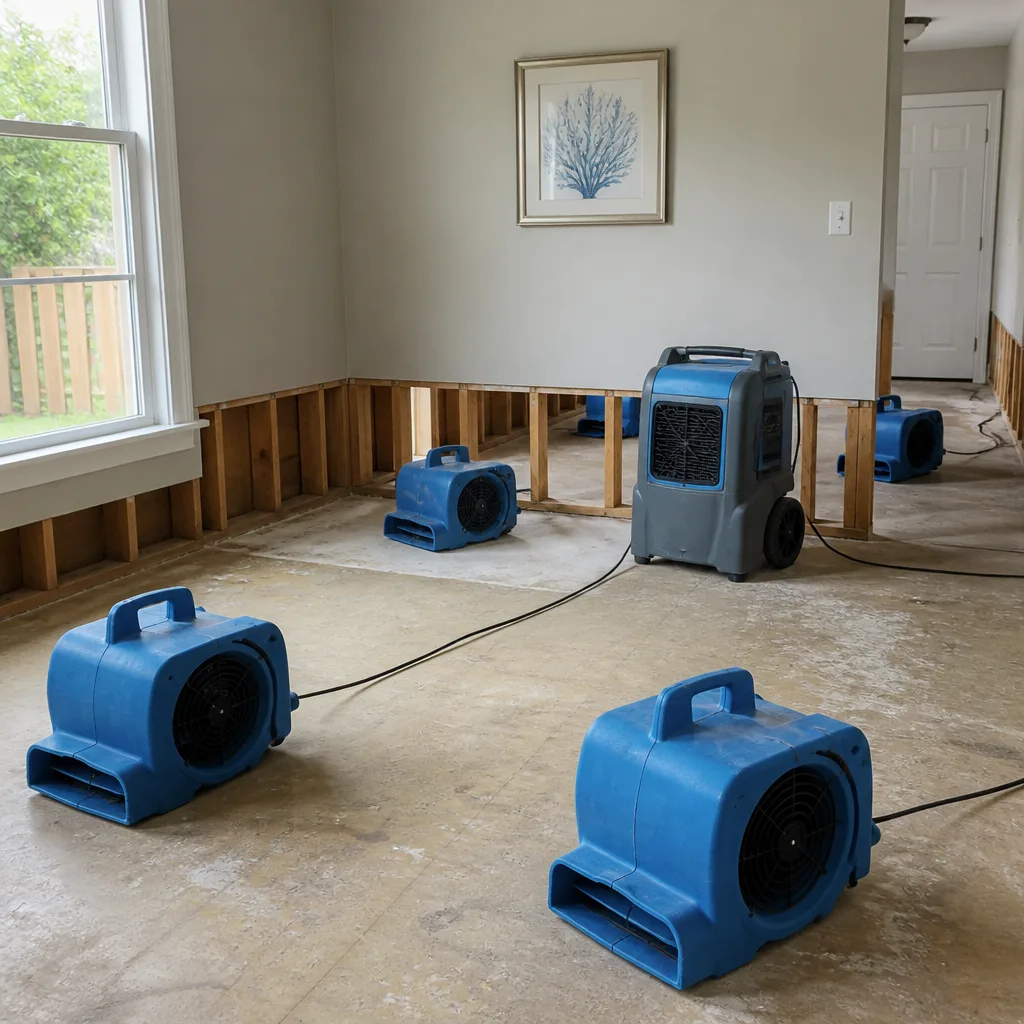 Water damage drying
 Fire & smoke cleanup
 Mold remediation
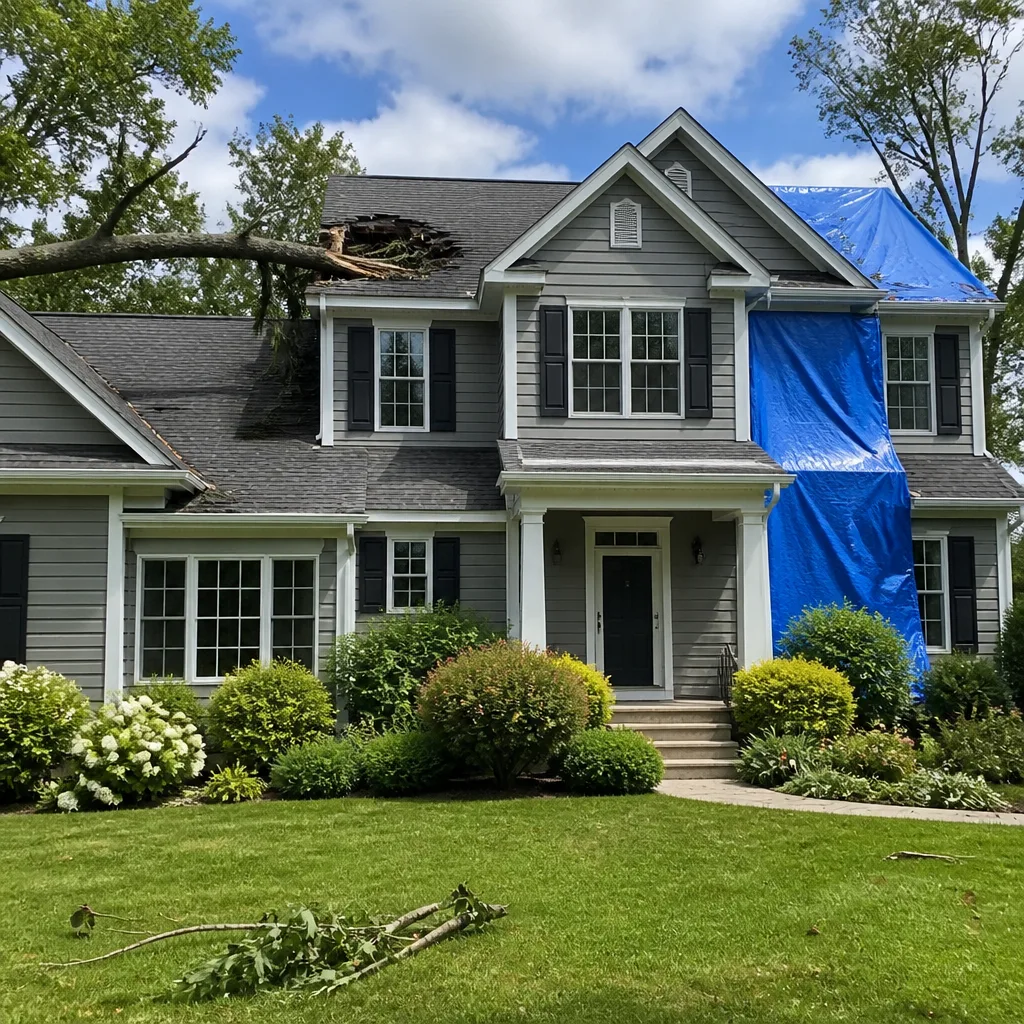 Storm response
 Sewage cleanup
 Reconstruction
Free visual inspection and a written scope of work before any mitigation begins - photos, moisture readings, and drying logs go in your claim file
The scope we write is the scope we bill. Anything new gets shown to you, in writing, before we touch it.
Get your free estimateDamage Restoration Cost Breakdown: The Fort Worth Homeowner’s Reference for 2026
Here’s a number most Fort Worth homeowners never see coming: the average water damage invoice in Tarrant County includes at least three line items you’ve probably never heard of. Antimicrobial application. Applied structural drying. Content manipulation. Those three alone can eat 30% of the total before a single piece of drywall gets replaced. We’ve watched homeowners stare at a $14,000 estimate for a flooded hallway trying to figure out which parts are real and which parts are padding. This guide is built to fix that. You’ll learn what every line item means, what it should cost in Fort Worth in 2026, what your insurance company is actually comparing against, and how to spot the contractors who play games with the gap between the two.
Restoration work we handle
Quick Answer
Damage restoration in Fort Worth costs anywhere from $800 for a small water extraction job to $80,000-plus for a whole-home fire rebuild, because the line items, not the damage category, determine the final number. Most water damage jobs land between $3,500 and $12,000, mold remediation typically runs $2,000 to $9,000 depending on square footage, and fire damage restoration averages $4,000 to $40,000 based on how much structural material survives. If you can read a scope-of-work document and understand which line items are legitimate for your specific job, you’ll consistently get a fairer price than homeowners who compare bottom-line numbers.
Table of Contents
- Water Extraction and Drying: The $800 to $15,000 Range
- Mold Remediation by Square Foot: What Fort Worth Really Pays
- Fire and Smoke Damage: Cleaning vs. Rebuilding
- Line Items Decoded: What’s Real and What’s Padding
- Insurance Pricing (Xactimate) vs. Market Pricing: The Gap
- Four Cost Variables Unique to Fort Worth
- What a Written Price Before Work Starts Should Look Like
- Common Mistakes to Avoid
- When to Call a Professional
- Frequently Asked Questions
- The Bottom Line
Water Extraction and Drying: The $800 to $15,000 Range
Water extraction and structural drying is the most common restoration job we handle at Water Damage Restoration in Fort Worth, and the pricing is maddeningly variable if you don’t know what’s driving it. A ruptured supply line under a kitchen sink that gets caught within an hour might cost $800 to $1,500: one truck, portable extraction unit, a few air movers and dehumidifiers for two to three days, and done. A slow leak behind a shower wall that’s been soaking the framing for three weeks can hit $12,000 to $15,000 because the drywall, insulation, baseboards, and sometimes subfloor all need removal before drying even starts.
The variables that move the number:
- Category of water: Clean water from a supply line is cheapest to mitigate. Gray water (washing machine discharge, dishwasher overflow) requires additional sanitization steps. Black water, which in Fort Worth most often means sewage backup or floodwater from a creek overflow, requires full containment, removal of all porous materials, and disposal fees that climb quickly. A Category 3 loss is typically 40-60% more expensive than a Category 1 loss of the same square footage.
- Drying time: Most standard Fort Worth water jobs dry in 3 to 5 days. But a job that runs 7 to 10 days due to humidity or hidden pockets behind cabinets will add equipment rental days at roughly $60 to $110 per day per unit depending on the equipment class.
- Flooring type: Carpet with pad is usually remove-and-replace for the pad and dry-in-place for the carpet. Hardwood floors require specialized drying mats and often still need refinishing afterward. Tile on slab may only need cleaning and drying, while tile on wood subfloor may need full removal to dry underneath.
In our experience, the single biggest pricing error homeowners make is comparing two water quotes without comparing what each one includes for equipment. A $1,900 bid that runs three air movers for three days is not cheaper than a $2,600 bid that includes seven air movers, two dehumidifiers, and an Injectidry system pulling water out of the wall cavities. The cheap one usually fails, and then you’re paying for a second drying attempt plus mold treatment.
Mold Remediation by Square Foot: What Fort Worth Really Pays
Mold remediation in Fort Worth is priced by the square foot of affected area, and the 2026 market breaks into three bands that most honest contractors will land within:
- Isolated surface mold (under 10 sq ft): $500 to $1,800. This is usually a bathroom ceiling, a window sill, or the back of a closet against a poorly insulated exterior wall. It’s a containment setup, chemical treatment, HEPA vacuuming, and done in a day.
- Moderate remediation (10 to 100 sq ft): $1,800 to $6,000. This involves removing drywall, treating framing, and likely addressing the moisture source that fed the mold. Expect containment barriers, negative air pressure, and disposal of contaminated material.
- Extensive remediation (100+ sq ft, or HVAC contamination): $6,000 to $20,000-plus. Once mold reaches the duct system or spreads across multiple rooms, the job includes duct cleaning or replacement, full-room containment, and sometimes temporary relocation logistics. HVAC-contaminated homes in Fort Worth routinely exceed $15,000.
Here’s the Fort Worth-specific reality: our climate creates a longer mold season than most homeowners assume. Summer humidity sits above 60% for weeks at a time, and air conditioning runs constantly, which means any condensation problem or undetected leak creates ideal fungal growth conditions fast. We see more mold behind baseboards in Keller and North Richland Hills than anywhere else in Tarrant County, because those neighborhoods have a high concentration of 1990s and 2000s homes with vinyl wallpaper and polybutylene plumbing. The mold is not a character flaw in your housecleaning, it’s a moisture problem, and remediation costs are driven by how long the moisture has been present. A one-week leak is a $2,000 job. A six-month slow leak is a $9,000 job. Time is genuinely the cost multiplier here.
For a deeper walkthrough of the process and pricing for Fort Worth specifically, see our guide to Mold Remediation in Fort Worth.
Fire and Smoke Damage: Cleaning vs. Rebuilding
Fire damage bills in Fort Worth break into two very different categories, and confusing them is the most expensive mistake a homeowner can make. There’s restorable fire damage where the structure survives and the job is smoke and soot removal, deodorization, and surface treatment. Then there’s structural fire damage where you’re looking at partial or full rebuild. The first is a $4,000 to $12,000 job. The second starts at $20,000 and can pass $80,000 on a whole-home loss. Same kitchen grease fire, different outcomes if the fire was caught in three minutes versus eleven.
What’s inside a typical fire restoration scope from Fire Damage Restoration in Fort Worth:
- Soot and smoke cleaning per square foot: $3 to $8 per sq ft for wall and ceiling cleaning with chemical sponges and HEPA vacuuming. Every surface in an affected room counts, not just the visibly dirty ones.
- Content cleaning and pack-out: $1,500 to $8,000 depending on the home’s contents. This includes inventory of every item, cleaning at the shop or on-site ultrasonic unit, and storage during rebuild. It’s also the line item where documentation matters most for your insurance claim, because everything that gets inventoried is recoverable, everything that doesn’t is a fight.
- Deodorization: $500 to $2,500. Thermal fogging or ozone treatment applied to the affected area. In Fort Worth, homes with blown-in attic insulation and older air return systems often need an additional duct sealing treatment to fully clear the smoke smell.
- Structural rebuild: $40 to $85 per sq ft for affected areas. This is everything from framing repair to drywall to paint to flooring. The price per square foot is nearly identical to new construction because you’re doing the same work with extra demolition and disposal steps added.
Fort Worth has a code requirement that matters here: any home built before 1978 triggers lead paint protocols for any cut or disturbance greater than six square feet. That adds containment, testing, and specialized disposal costs. On a charred 1950s home in Wedgwood or Ridglea Hills, expect an additional $800 to $2,500 on the permit and testing line items.
Line Items Decoded: What’s Real and What’s Padding
This is the section that will save you the most money. The scopes we prepare at Keegan follow the same structure insurance adjusters use, so every line item maps to something concrete. Here’s what the terms mean and when each one is legitimate:
- Emergency service call / mobilization: The cost of dispatching a crew to your home. In Fort Worth, $150 to $350 is typical for a response within 60 to 90 minutes. Any contractor charging more than $500 for this on a standard water job is marking it up because they know you’re panicking.
- Water extraction: Physically removing standing water with truck-mounted or portable extraction units. Priced by square foot and water volume, typically $0.75 to $2.50 per sq ft of affected area. This is always legitimate if there was standing water.
- Applied structural drying: The labor, equipment placement, and monitoring of air movers, dehumidifiers, and specialty drying systems over multiple days. This is exactly what it sounds like: the crew sets up equipment, checks it daily, takes moisture readings with probes and meters, and adjusts the setup as the drying front moves. On a standard water job this is 15-25% of the invoice. You can’t skip it and still get the job done.
- Antimicrobial application: Treating affected surfaces with an EPA-registered biocide to prevent mold growth while drying completes. This is not optional on wastewater jobs and honestly is cheap insurance on clean water jobs too because Fort Worth’s summer humidity means every drying job is also a race against time. Usually $0.50 to $1.25 per sq ft.
- Content manipulation: Moving, covering, protecting, and sometimes removing your furniture and belongings so the damage can be reached and dried. This is legitimately labor intensive, but watch the line item count here. Some contractors bill content handling both as part of drying labor and as a separate line.
- Debris removal and disposal: Hauling away removed drywall, carpet, pad, and contaminated material. Fort Worth disposal fees run higher than in surrounding counties, and Tarrant County specifically has a surcharge for mold-contaminated material at the landfill gate. $0.50 to $1.50 per sq ft of removed material is honest.
- Clearance testing: Post-remediation sampling by an independent hygienist that confirms spore counts have returned to normal background levels. This is optional on small jobs and strongly recommended on large ones. A good clearance test in Fort Worth costs $350 to $800 and should be performed by a third party, not the remediation company itself.
Insurance Pricing (Xactimate) vs. Market Pricing: The Gap
Here’s the uncomfortable truth about restoration pricing that almost no contractor will explain to you directly. When insurance is involved, the adjuster and the restoration contractor both typically work from Xactimate, a software platform that maintains regional pricing databases for every imaginable restoration line item in every zip code. When you’re paying cash, the contractor sets whatever price the local market will bear.
The gap shows up in two directions:
- Cash jobs are cheaper than insurance jobs, sometimes by 20-30%. This isn’t fraud, it’s overhead. An insured job requires documentation formatted for claims review, multiple adjuster meetings, supplement filings, and sometimes 60-90 day payment cycles. A cash job gets paid at completion and requires one invoice. The caveat: you lose the documentation trail and the adjuster’s second set of eyes on the scope, which can bite you later if hidden damage appears.
- Some contractors use the gap to pad invoices. They’ll take an Xactimate summary, inflate line item quantities, add equipment rental days that never happened, or bill for “emergency extraction” of water that was already drained before the crew got there. The worst offenders target homeowners who don’t know they can ask for the Xactimate scope summary and compare it against what actually happened in their home.
What protects you either way is the written scope. Every legitimate restoration company can produce a detailed line-item estimate that spells out exactly what work will be performed, in what quantity, for what price. If a contractor can’t or won’t put the price in writing before starting, you’re not getting a quote, you’re getting a surprise.
Four Cost Variables Unique to Fort Worth
Fort Worth’s restoration market is not the same as Dallas, Arlington, or Plano. The same water damage event costs different amounts in different metro corners because of four structural factors specific to Tarrant County:
- Slab-on-grade construction. The overwhelming majority of Fort Worth homes, especially anything built after 1960, sit on concrete slabs. When a leak runs under the slab, you’re not just drying, you’re likely looking at tunneling or saw-cutting through concrete to reach the damaged line, and then repairing the slab. That work starts around $3,000 and climbs from there. In a peer city with more crawlspace stock, the same leak is often fixed in a day for a few hundred dollars in materials.
- Pier-and-beam access in older neighborhoods. The pre-war homes in Fairmount, Mistletoe Heights, and Ryan Place sit on crawlspaces, which changes the labor equation. Drying a floor from the crawlspace side is slower and more difficult, and many of these homes have not had their subfloor framing inspected since the 1940s. What starts as a water job frequently becomes a joist repair job once access is opened.
- Tarrant County disposal fees for mold-contaminated material. Moldy drywall and insulation is classified as special waste at county transfer stations, and the tipping fees run higher than standard construction debris. Contractors pass this cost through, and it’s legitimate. What’s not legitimate is when it’s double billed as both “disposal fees” and “environmental waste surcharge.” Ask for the weight ticket.
- Summer drying timeline extensions. From June through September, Fort Worth’s humidity often sits above 70%, which means air movers and dehumidifiers work harder and longer to hit the same moisture-content targets they’d reach in 48 hours during a dry January. Every additional equipment day is another rental charge on your invoice. We tell customers this up front because it’s the single biggest seasonal variation in restoration pricing in North Texas, and no one wants to feel like the job is dragging when the real issue is that the dew point outside is 74 degrees.
What a Written Price Before Work Starts Should Look Like
Verbal quotes are not quotes. A verbal number means the contractor hasn’t done the math, and a contractor who hasn’t done the math is going to bill you for the error. A written price that’s enforceable should include, at minimum, these fields:
- The property address and the name of the person authorizing the work.
- A dated signature block at the bottom of the estimate.
- A line-item breakdown that names each task (e.g., “Remove and dispose of water-damaged gypsum wallboard, 64 sq ft, master bath north wall”), not just a category and a lump number.
- Quantities for every line: square feet, linear feet, cubic yards, equipment days, labor hours. If a line says “drying – 14 days” you should know how many units and what kind.
- Equipment specify: brand or class level at minimum. “Dehumidifier” could mean a $150 rental unit from a big box store or a $900 portable desiccant unit from Dri-Eaz. The difference in drying performance is enormous.
- Scope exclusions: what is not included. A real quote says “does not include cabinetry removal, structural repairs, or paint matching.”
- Payment terms and guarantee language. If the contractor won’t put their guarantee in writing, you should assume there isn’t one.
This is the standard we run to at Keegan Restoration Fort Worth home, and it’s not complicated. It’s just disciplined. Every job gets the written price before any work begins, and the price does not move at the door. If you’re comparing restoration quotes for a Fort Worth home, compare the scope line by line, not the bottom numbers against each other.
Common Mistakes to Avoid
- Comparing bottom-line numbers instead of line items. Two water damage estimates for the same house can differ by $5,000 simply because one includes the drying equipment you’ll actually need and the other doesn’t. Read the scope before the total.
- Waiting to file the insurance claim. Every day a water-damaged structure sits wet in a Fort Worth summer is another day of mold growth and rising costs. Most policies require “reasonable mitigation” to prevent further damage, and a three-week delay can give the adjuster a reason to reduce the covered amount.
- Hiring the emergency-response company without checking their drying credentials. Anyone with a truck and a pump can show up at midnight. What matters is whether the drying plan follows IICRC standards and whether the techs know how to verify drying is actually complete, not just that the floor feels dry.
- Assuming the contractor’s quote matches the insurance check. The insurance company pays what the policy covers, which is often less than the full repair cost until supplements are filed. A contractor who files detailed supplements with photo documentation is doing real work that gets you paid.
- Skipping clearance testing after mold remediation. In a humid climate like Fort Worth, a failed mold job often doesn’t produce visible regrowth for months. The only way to know if the remediation worked is an independent post-test, not the remediation company’s word.
- Accepting a verbal guarantee. If the contractor tells you the work is “guaranteed” but won’t put a term and a scope on paper, that guarantee is air. A one-year written promise with a free return visit if the work fails is the minimum standard you should accept.
- Not asking who is actually doing the work. Some Fort Worth restoration companies are really just marketing offices that sell the job and subcontract it out to the lowest bidder. Ask, in writing, whether the technicians on site will be employees or subs.
When to Call a Professional
Any water damage that’s spread beyond a single room, involved sewage, or been present for more than 24 hours is beyond DIY drying. So is any mold growth larger than a bathroom corner, any fire damage that left soot on multiple surfaces, and any situation where you can smell mold but can’t find it. The cost trap runs both directions: waiting calls for more expensive work, but a botched DIY drying job often costs more to fix than the original loss would have cost to handle properly from hour one, as we explain in DIY vs Professional Damage Restoration: The Fort Worth Homeowner’s Decision Guide. Keegan Restoration Fort Worth offers free estimates in Fort Worth, and we’ll walk you through what you actually need without selling you anything you don’t. Call (682) 900-2821 and a live person answers, day or night.
Frequently Asked Questions
Most Fort Worth homeowners pay $3,500 to $12,000 for a typical water damage restoration job, with small clean-water extractions starting around $800 and whole-home sewer backups exceeding $15,000. The final number depends on water category, affected square footage, drying time, and whether structural materials like drywall and flooring need removal. Call (682) 900-2821 for a written Fort Worth estimate.
Most Fort Worth policies cover sudden and accidental water damage, fire damage, and mold remediation when the mold results from a covered loss, minus your deductible, but the amount the insurance pays is determined by the adjuster’s scope, not the contractor’s list price. The gap between what the adjuster approves and what the work actually costs is recovered through detailed supplement filings with photo documentation. Every job we run at Keegan is documented claim-ready specifically for this purpose.
A live person answers the phone at (682) 900-2821 around the clock, 7 days a week, including holidays, and our crews are dispatched from Fort Worth, not routed from Dallas. On a severe water or sewage loss, we target same-visit dispatch for emergencies, and the limiting factor in Fort Worth is typically the terrain of the specific home, pier-and-beam access taking longer than slab jobs. Every minute of standing water makes the damage worse, so call as soon as you see it.
If the visible mold covers more than 10 square feet, or if there’s a hidden moisture source that’s been active for more than two weeks, fogging and bleaching the surface only buys a temporary reprieve and the mold returns, usually worse because it’s had more time to eat into the drywall paper. In Fort Worth’s humid summers, what looks like a minor bathroom patch often extends behind baseboards and into the wall cavity. A proper scope tells you the difference in 15 minutes.
Your restoration company should. A contractor who runs jobs to the IICRC standard will have documentation formatted for Xactimate review, will walk the adjuster through the damage on site, and will file supplements when the approved scope doesn’t cover what the repair actually requires. If the contractor won’t talk to your adjuster, that’s a red flag, not a convenience.
Professional-grade drying and extraction equipment from manufacturers like Dri-Eaz, Phoenix, and Injectidry, operated by technicians trained to IICRC, RIA, or IFA standards. These are not the rental units from a hardware store, they are commercial drying equipment that moves two to four times the air volume and removes moisture mechanically that standard fans never reach. The equipment brand and class should be visible on the written scope.
The Bottom Line
Fort Worth damage restoration pricing in 2026 ranges from $800 to $80,000, and the number that applies to you is determined by specific, knowable variables: the category of water, the square footage affected, the moisture load, the construction type of your home, the season, and the line items your contractor includes or quietly omits. Learn to read a scope. Ask for the price in writing before anyone touches anything. Check that the equipment and the technicians meet IICRC standards. Make sure the guarantee has a duration, not just a handshake. And when you’re comparing what comes back, remember that a detailed quote that costs more than a vague one is usually just a quote that’s actually complete. If you want a written price from a crew that runs disciplined, document-heavy restorations in Fort Worth, call (682) 900-2821.
Written by Shane Pruitt, Owner at Keegan Restoration Fort Worth, serving Fort Worth since 2005.
See the difference
 Before
 After
After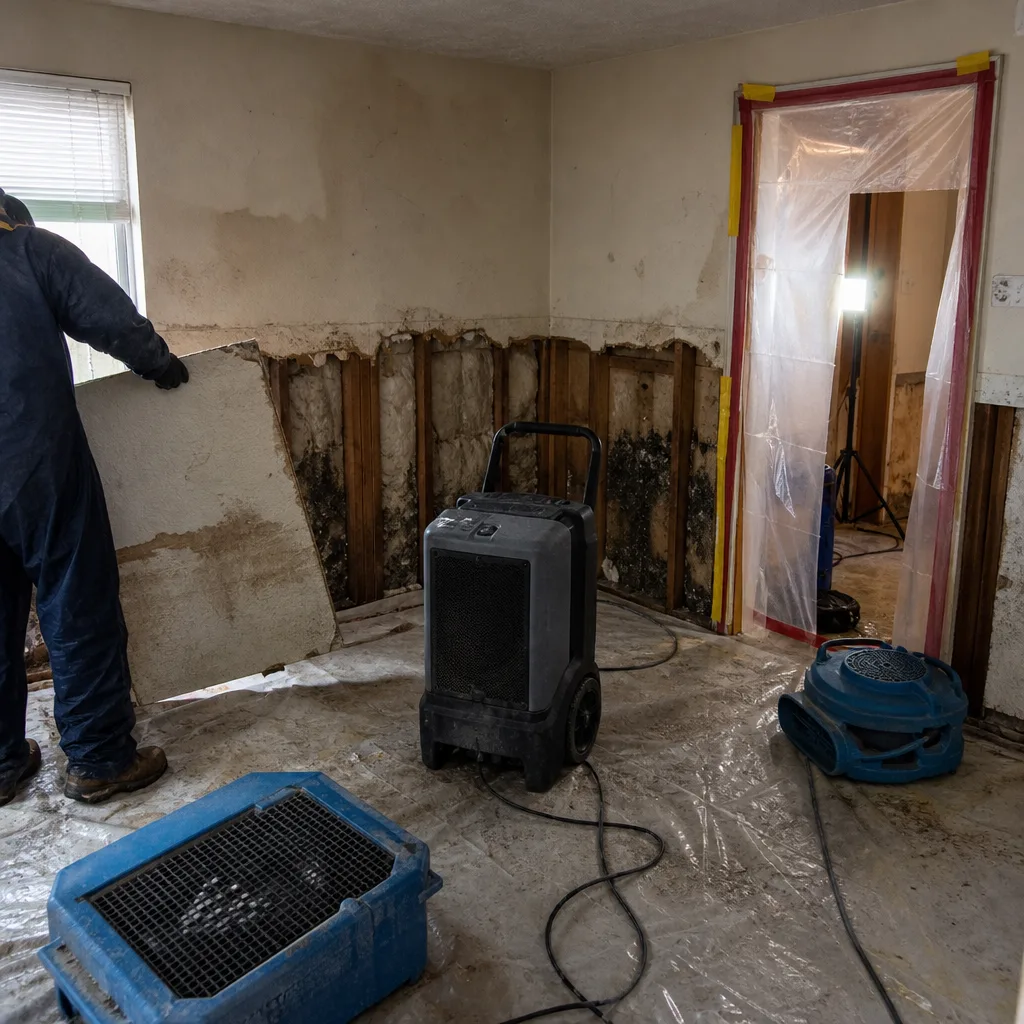 Before
 After
After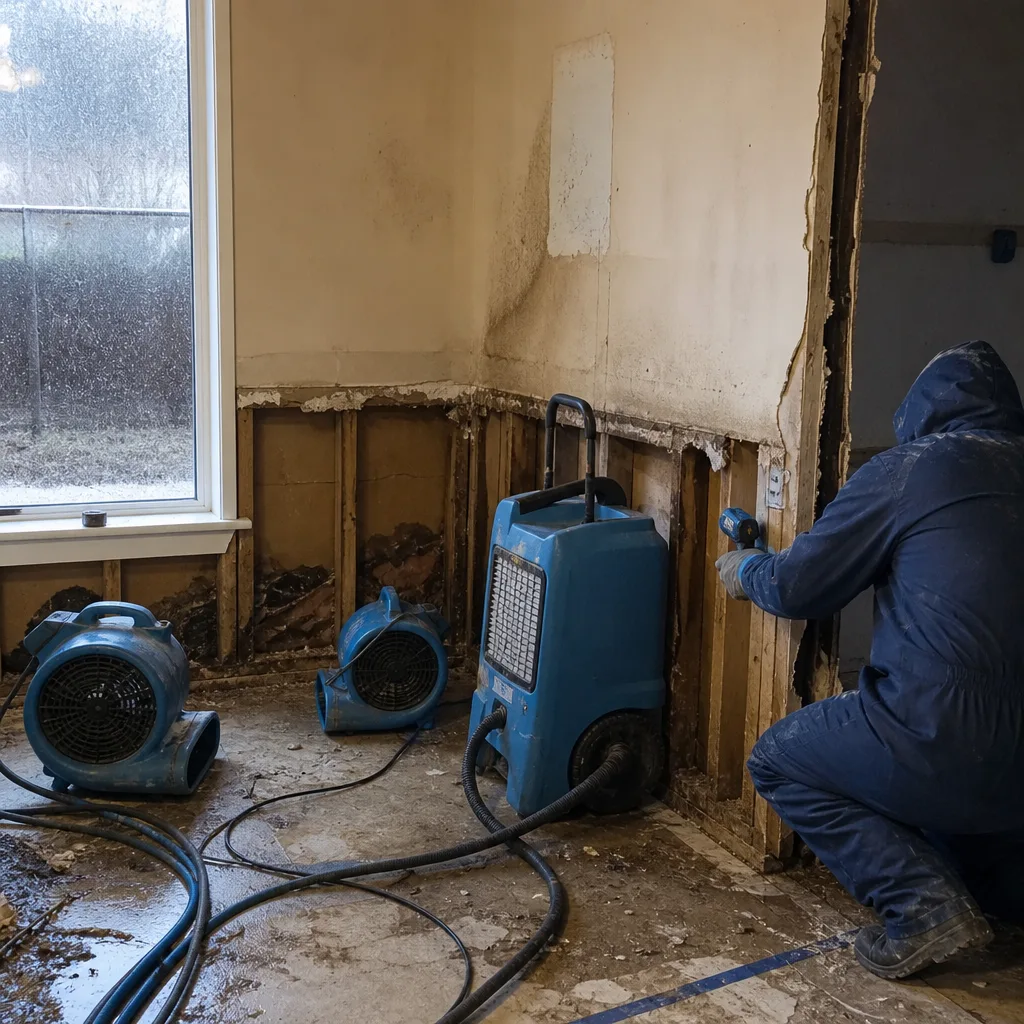 Before
 After
After