
Last updated October 16, 2026
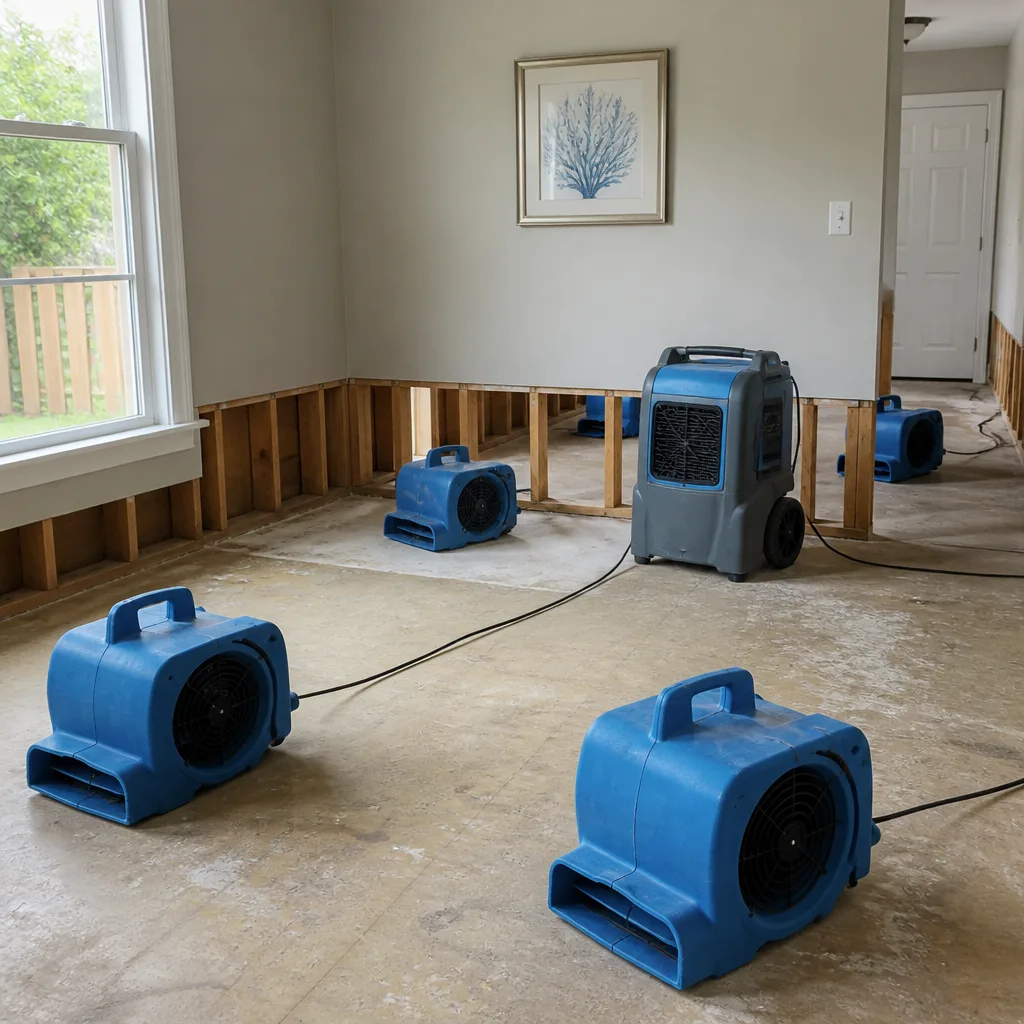 Water damage drying
 Fire & smoke cleanup
 Mold remediation
 Storm response
 Sewage cleanup
 Reconstruction
Free visual inspection and a written scope of work before any mitigation begins - photos, moisture readings, and drying logs go in your claim file
The scope we write is the scope we bill. Anything new gets shown to you, in writing, before we touch it.
Get your free estimateDamage Restoration Warning Signs: A Fort Worth Homeowner’s Reference Guide
Most homeowners in Fort Worth don’t call a restoration contractor until water is pooling on the floor or smoke has already stained the ceiling. But the warning signs that come before a water, fire, or mold loss are physical and readable weeks or sometimes months ahead of the emergency. A soft cabinet floor under the kitchen sink. A door that suddenly sticks in August. An electric bill that climbs for no obvious reason. Each one is a signal, and learning to read them is the difference between a $900 repair and a $19,000 remediation. This guide is organized by location in the home, not by damage type, because that’s how you actually inspect a house: room by room, the way a technician does when they walk a property in this trade. For more guides & resources, visit our blog.
Restoration work we handle
Quick Answer
The most common water damage warning signs in a Fort Worth home are bubbling or peeling paint, baseboard separation, a musty odor with no visible water, and sloping floors or sticking doors caused by foundation movement in the region’s expansive clay soil. Mold warning signs include persistent musty smells in closed rooms, staining on ceilings or baseboards, and allergy symptoms that improve when you leave the house. Fire warning signs are less common but include warm or discolored outlets, flickering lights, and a burning-plastic smell near electrical panels. If you see any of these, document what you find and call a professional before the damage spreads behind walls or under slabs.
Table of Contents
- Why Fort Worth Homes Fail Differently
- Attic and Roof Warning Signs
- Wall Warning Signs: Paint, Drywall, and Baseboards
- Kitchen and Bathroom Warning Signs
- Foundation and Slab Warning Signs
- Electrical and Fire Warning Signs
- Utility Bill Warning Signs: The Leak You Can’t See
- How to Document Warning Signs for Insurance
- Common Mistakes to Avoid
- When to Call a Professional
- Frequently Asked Questions
- The Bottom Line
Why Fort Worth Homes Fail Differently
Fort Worth sits on the Eagle Ford Shale formation, a band of expansive clay soil that runs beneath much of North Texas. That soil absorbs water during wet months and shrinks during dry months, expanding and contracting with enough force to move concrete slabs. The structural movement isn’t always dramatic. Most of the time it’s subtle: a hairline crack in the brick, a door that only sticks in July, a gap that opens between the baseboard and the floor in the master bedroom. But that movement is why water damage in Fort Worth homes often starts as a foundation issue rather than a plumbing issue.
When a slab shifts, it stresses the copper and PEX lines running through it. Pin-sized leaks develop. Unlike a burst pipe, a slab leak doesn’t announce itself with a geyser in the living room. It drips, slowly, into the soil beneath the foundation or upward through the flooring. By the time a homeowner notices a warm spot on the tile or a faint water stain on the carpet, the leak has often been running for weeks or months. That’s the pattern we see consistently across Tarrant County, from the older pier-and-beam homes in the Fairmount district to newer slab-on-grade construction in the Alliance corridor. Understanding this dynamic matters because it changes what warning signs to look for and where.
Humidity compounds the problem. Fort Worth averages over 30 inches of rain a year, and summer dew points regularly push into the 70s. That humidity means condensation forms on ducts, toilets, and cold-water lines even when nothing is leaking. Homeowners frequently dismiss real water damage as “just humidity” or, worse, report humidity as a leak. Learning to separate the two is a skill, and the tool that makes it possible costs about fifteen dollars.
At Keegan Restoration Fort Worth home, we inspect homes where the owner has been chasing a mystery odor for months, only to find a pinhole leak behind a shower valve or a failed wax ring under a toilet. Those are fixable. What’s not fixable, at least not cheaply, is the mold colony that develops in the dark, damp cavity behind the wall while the leak goes unaddressed. By the time a musty odor is strong enough to notice in a closed room, colony growth is typically already past the 10-square-foot threshold that separates a cleanup from a professional remediation.
Attic and Roof Warning Signs
The attic is where damage begins in a Fort Worth home, and it’s also the place homeowners inspect least. Hail storms hit Tarrant County regularly, and the damage they do to shingles doesn’t always show up as a leak the next day. Sometimes the shingle is compromised, the underlayment takes weeks to fail, and the first visible sign is a brown stain on a rafter months after the storm. Insurance adjusters know this, which is why documenting attic conditions before and after every storm matters.
Here’s what to look for in the attic:
- Staining on rafters or roof sheathing. Brown or gray stains, especially in a line or a cluster, indicate water has been traveling along that member. A single isolated stain may be old. A cluster of stains means active leakage or repeated past leakage.
- Daylight around penetrations. Go into the attic on a sunny day and turn off the light. If you can see daylight around vent pipes, chimney flashing, or exhaust fans, water can get in through those same gaps.
- Rust on exposed nail points. The nails that secure the sheathing poke through into the attic. Rust on those points signals condensation or a roof leak above.
- Discolored or crumbled insulation. If the insulation is darker, compressed, or crusted in one area, water has been hitting it. Wet insulation loses R-value, which shows up on the electric bill long before a drywall stain appears.
- Musty smell in the upper hallway. A moldy odor inside the home but strongest near the ceiling often points to the attic, not the walls. Moist, warm attics with poor ventilation create exactly the condition that mold needs.
Fort Worth’s summer heat adds one more aggravating factor: attic temperatures routinely exceed 130 degrees in July and August. That heat accelerates the off-gassing of volatile organic compounds from wet building materials, which is why a musty attic smells worse in summer. It also increases the humidity inside the attic cavity, slowing down the drying process and giving mold more time to establish. If you find roof damage, the fix is water damage restoration in Fort Worth, and the sooner it’s addressed, the less likely you’ll need full mold remediation on the ceiling below. Keegan has been part of the Garrison Partners family since 2005, and our technicians arrive in uniform, put the price in writing, and document everything for your insurance claim.
Wall Warning Signs: Paint, Drywall, and Baseboards
Walls are the most reliable early-warning surface in a Fort Worth home, but most homeowners misread what they’re seeing. A small bubble in the paint behind a sofa gets ignored for months. A baseboard that pulls away from the wall gets written off as house settling. Those are exactly the signs you should be watching.
Here are the specific wall warning signs and what each one means:
- Bubbling or peeling paint. When drywall gets wet, the paper facing loses adhesion to the gypsum core, and paint bubbles form. If the bubble is concentrated in one area near a wet wall (bathroom, kitchen, exterior wall), that’s an active leak. If the bubbling is widespread across a room, you’re likely seeing a humidity problem.
- Baseboard separation. Gaps between the baseboard and the floor, or between the baseboard and the wall, are early indicators of two things: structural movement or water damage causing the wood to swell and warp. In Fort Worth, the clay soil makes both possible. If the separation appears suddenly and only in one room, look for a water source under the floor.
- Staining or discoloration. Yellow, brown, or copper-colored stains on walls or ceilings are water marks. The color tells you something: brown indicates water that’s passed through building materials and picked up tannins. Copper or green stains indicate a leak on a copper line.
- Nail pops and cracks. A few nail pops are normal as a house settles. But a cluster of nail pops or a diagonal crack running from a window or door corner suggests enough movement to stress the framing. In Fort Worth, that movement is typically clay-soil related, and it can open the door for water intrusion through the cracked exterior.
- Soft spots or crumbling drywall. If you press on a wall and the surface gives, the drywall has been wet long enough to lose its structural integrity. By that point, the leak isn’t new.
One Fort Worth-specific tip: if you see paint bubbling on a south-facing wall in August, don’t assume it’s heat. Verify it. A $15 moisture meter from any hardware store will tell you in seconds whether that area is actively wet or just expanding from the sun. Checking moisture content at the wall surface and below the paint line takes forty-five seconds and eliminates the guesswork.
Kitchen and Bathroom Warning Signs
Kitchens and bathrooms in Fort Worth homes fail in predictable ways, which means the warning signs are also predictable. The water connections under every sink, behind every toilet, and around every shower valve are the most common points of failure in the entire house. Here’s what to check.
Under sinks: Open the cabinet door and look at the cabinet floor. Mineral ring stains, even old and dry ones, indicate a past leak at the P-trap or supply line. Soft cabinet floors mean the leak has been ongoing, and the wood is absorbing water every time the sink runs. The difference matters: a mineral stain is historical. A soft floor is active.
Around toilets: A toilet that rocks slightly when you sit on it has a failing wax ring. That ring is the only thing between the toilet and the floor flange, and when it fails, water and sewage gases escape into the subfloor. The first sign is often a faint odor. The second is darkened or softened flooring around the toilet base. Rocking toilets should be reset before the subfloor rots, because subfloor replacement under a toilet is a significantly larger repair than the reset itself.
Around showers and tubs: Staining on the ceiling below a second-floor bathroom is the classic sign of a shower pan leak. The pan is the waterproof membrane under the tile, and when it fails, water drains onto the ceiling below every time someone showers. Grout cracks in a shower don’t always signal pan failure, but they do allow water behind the tile, where it slowly deteriorates the backer board. That’s the hidden damage pattern we see in Fort Worth homes built in the 1980s and 1990s, when green board was still the standard behind tile.
Behind appliances: Behind every dishwasher and refrigerator with a water line, there’s a connection that can fail. The dishwasher supply line is particularly dangerous because it’s out of sight and often out of mind. A pin-sized leak there runs for months before the first evidence shows up, usually as staining on the ceiling of the room below or as a mysterious water stain on the floor in front of the cabinet. We recommend pulling the kick plate off the dishwasher twice a year and checking for moisture. The kick plate is the removable panel at the bottom; it takes thirty seconds to remove.
For any of these failures, mold remediation in Fort Worth may be required if the leak has been active long enough. The IICRC standard for cleanup, which our technicians follow, focuses on containment and source correction before anything else. If you catch a leak early, the remediation scope is small. Catch it late, and you’re looking at demolition, drying, reconstruction, and a larger claim.
Foundation and Slab Warning Signs
Fort Worth homes fail at the foundation more than almost any other location in the country, and the reason is the soil. The expansive clay under the slab absorbs water, swells, and pushes the foundation upward. Then it dries, shrinks, and the foundation drops. That cycle repeats every year, sometimes twice a year, and over time it causes enough movement to crack concrete, break slabs, and stress the plumbing running through them.
The warning signs of foundation movement are visible long before the damage becomes structural:
- Doors that stick or won’t latch. In Fort Worth, a door that sticks only in summer is a classic clay-soil indicator. The soil swells with spring rain, the slab heaves, and the door frame torques just enough to make the door bind. The door isn’t broken; the foundation under it is moving.
- Cracks wider than 1/16 inch in drywall. Hairline cracks are normal. Cracks that open visibly and change with the seasons are an active movement signal.
- Diagonal cracks at window and door corners. These are stress points where the wall sheathing is trying to move independently of the framing. Diagonal cracks there are more serious than vertical cracks along a drywall seam.
- Sloping or uneven floors. Pick a room and place a marble on the floor. If it rolls consistently in one direction, the floor has slope. A slight slope may be within tolerance. A visible slope is not, and it usually indicates either a foundation issue or a structural beam problem beneath the floor.
Here’s the critical connection: foundation movement causes plumbing damage. As the slab moves, the copper and PEX lines embedded in it flex. Copper work-hardens and eventually develops pinholes. Those pinholes leak into the sub-slab space and then wick upward through the slab and into the flooring. The first sign is often a warm area on the tile floor, a water stain on the carpet, or an inexplicable increase in water usage on the monthly bill. If you have foundation warning signs and a rising water bill, you have an slab leak until proven otherwise.
Keegan’s technicians see this pattern in neighborhoods across Fort Worth, from older pier-and-beam homes in the TCU area to newer construction in the far north. The fix starts with leak detection, moves to extraction and drying, and ends with a written scope for the repair. All of that documentation is formatted for your insurance claim, which matters because slab leaks are one of the areas where insurers scrutinize timing. If you’ve been ignoring a sticking door for three years, the claim becomes harder to file. The earlier you can document the warning sign, the cleaner the claim.
Electrical and Fire Warning Signs
Fire damage warning signs are different from water and mold signs because they’re electrical and often invisible until the moment something fails. But the indicators are there if you know where to look. We’re not asking you to open electrical panels, which is hazardous work and requires a licensed professional. We’re asking you to notice the things that are already visible.
Here’s what to watch for around your Fort Worth home:
- Warm outlet or switch plate. Outlets should never be warm to the touch, even when something’s plugged in. Warmth indicates resistance in the circuit, which generates heat, which is how electrical fires begin. This applies to phone chargers, lamp plugs, and especially anything with a heating element.
- Flickering or dimming lights. If a light dims when the air conditioner kicks on, that’s often just a voltage sag, but if a single light dims while others stay bright, or if lights flicker intermittently for no reason, have the circuit checked.
- Burning plastic or fishy smell. Electrical components that overheat release a distinctive odor that many people describe as burning plastic or fish. If you smell it and can’t locate the source, turn off the breaker to the affected room and call a professional electrician. If you smell it near the panel, call immediately.
- Buzzing or crackling from outlets. Any mechanical sound from an outlet or switch means arcing, and arcing is an active fire risk. The same applies to a circuit breaker that trips frequently and then resets without explanation.
- Scorched or discolored outlets. Black or brown marks around the plug slots mean the outlet has already experienced a small thermal event. Replace it.
These warning signs matter because a fire in a Fort Worth home involves more than the fire itself. The extinguishing effort often uses thousands of gallons of water, creating water damage on every floor below. Smoke and soot then travel through the HVAC system, contaminating surfaces throughout the house. That’s why fire damage restoration in Fort Worth is always a multi-stage process: mitigation, water extraction, structural drying, smoke and soot removal, and then reconstruction. At Keegan, the scope is written before any work begins, and the restoration follows the RIA and IICRC standards for fire and smoke damage. But the best fire restoration is the one that never happens, and the best way to prevent it is to notice the electrical warning signs early.
Utility Bill Warning Signs: The Leak You Can’t See
The most valuable warning sign in a Fort Worth home doesn’t appear on a wall. It appears on a utility bill. Water consumption data is the single most reliable early indicator of a hidden leak, and almost no one looks at it.
Here’s the method we recommend:
- Establish your baseline. Go back through the last 12 months of water bills and note your usage for a typical month when no irrigation is running. For a family of four in Fort Worth, that’s usually between 8,000 and 12,000 gallons per month, but the number itself matters less than the pattern.
- Look for the unexplained climb. If your usage in March 2025 was 9,000 gallons and your usage in March 2026 is 14,000 gallons, with no new pool, no extra irrigation, and no other change, you have a leak. Slab leaks and toilet flapper leaks both cause this pattern.
- Do the overnight meter test. Read your water meter before bed. Read it again in the morning before anyone uses water. If the meter moved and no one ran a faucet or flushed a toilet, water is flowing somewhere. Then isolate: shut off the supply to each toilet and re-test. Toilet flappers are a common culprit, but if the meter still moves with all toilets isolated, you’re looking at a line leak, possibly in the slab.
- Check the electric bill too. A high-efficiency HVAC system that suddenly costs more to run may be fighting wet insulation in the attic or a duct leak pulling humid air into the system. Wet insulation loses R-value, which means the air conditioner runs longer to maintain the same temperature. A 15 to 20% spike in cooling costs with no change in weather is a warning sign.
Keegan’s technicians are dispatched from a Fort Worth location that runs to the Garrison Standard. When we arrive for a leak investigation, the first thing we do is listen to the homeowner’s billing history. It’s often the fastest path to the source. We use professional-grade moisture meters and thermal imaging to trace the water, and every reading is documented and formatted to support an insurance claim if one is filed. If the leak is in the slab, the documentation matters, because that’s one of the most scrutinized claims in the industry.
How to Document Warning Signs for Insurance
Insurance adjusters look at two things when a claim is filed: the extent of the damage and the timeline. The timeline matters because most policies contain provisions related to ongoing or gradual damage, and one of the most common reasons a water damage claim is reduced or denied is a finding that the homeowner “should have known” about a leak earlier. That’s where good documentation changes the outcome.
Here’s the documentation method we recommend, in steps:
- Photograph every warning sign the day you notice it. Use your phone, but make sure the timestamp is enabled and visible. Photograph the sign from three distances: far enough to show the room, medium enough to show the location within the wall or floor, and close enough to show the detail.
- Log the date and conditions. Keep a simple note in your phone: “March 14, 2025. Noticed bubbling paint on guest bathroom wall behind toilet. Approximately 3 inches in diameter. No visible water on floor.” That note is evidence if a claim is filed months later.
- Photograph the meter readings. If you’re tracking a suspected leak, photograph the water meter at the start and end of a no-use period. The photos, with timestamps, are admissible if the discrepancy becomes a point of contention.
- Keep receipts for any repairs or inspections. If you pay for a plumber, a foundation inspection, or a handyman repair, keep the receipt. It establishes that you took action, which is exactly what an insurer wants to see.
- Photograph the same spot from the same angle over time. If a crack is growing, a series of photos showing the progression is the strongest possible evidence that the damage is active. One photo showing a crack is informative; three photos showing that same crack widening over six months is dispositive.
This level of documentation is what separates a clean claim from a contested one. When Keegan responds to a water or mold damage call in Fort Worth, our technicians follow the same discipline: photographic documentation at every stage, a written scope before any work begins, and a final record that matches the intake condition to the post-repair condition. If you file a claim, that record goes to your adjuster. If you don’t file, the record is still yours to keep.
Common Mistakes to Avoid
In our experience across Fort Worth, the same mistakes show up on call after call. Here are the ones that cost homeowners the most:
- Waiting for visible water before acting. A musty smell in a closed room IS the warning sign. By the time water is visible, the damage is already deep in the wall or floor. Treat the smell as the emergency.
- Using a box fan to dry a wet area. Structural drying requires controlled airflow, controlled humidity, and professional-grade equipment like the Dri-Eaz and Phoenix units we run on every drying job. A box fan pushes humid air around and creates the perfect environment for mold.
- Dismissing door sticking as “Texas heat”. In Fort Worth, a door that sticks in summer is often the clay soil moving under the slab. If it sticks, note it. If it gets worse, investigate it.
- Ignoring a climbing water bill. A toilet flapper leak can waste 200 gallons a day. A slab leak can waste 1,000. Both show up on the bill before they show up on the floor. Read the bill every month.
- Painting over a water stain. The stain bleeds through, and the underlying moisture problem is still active behind the paint. Fix the leak first, properly dry the area, then repaint.
- Not documenting when you first noticed a problem. The most common insurance dispute is over timing. Write down the date you noticed the sign, photograph it, and keep the record.
- Hiring based on the lowest bid without a written scope. A low bid that doesn’t include a written scope will grow at the door. The Garrison Standard exists because we’ve seen too many Fort Worth homeowners burned by exactly that practice. The written price before work starts is non-negotiable for every job we take.
When to Call a Professional
Call a professional the day you find a warning sign you can’t immediately explain, especially if it involves water, a musty smell, or an electrical concern. A small water stain behind a toilet can be a $300 repair if caught early and a $12,000 mold remediation if not. A warm outlet is an electrical hazard that requires a qualified electrician, and if there’s any sign of active fire or smoke, evacuate and call 911 before calling anyone else.
Keegan Restoration Fort Worth offers free estimates in Fort Worth. Call (682) 900-2821 and a live person answers, 24 hours a day, 7 days a week, including nights, weekends, and holidays. We’re part of the Garrison Partners family, we put every price in writing before any work begins, and every repair is backed by the 365-Day Done Right Promise.
Frequently Asked Questions
The first sign is often a musty odor with no visible water source, which indicates hidden moisture behind a wall or under a floor. If you notice a persistent musty smell in a closed room, investigate it immediately with a moisture meter or by calling a professional. Call (682) 900-2821 for a free estimate in Fort Worth.
Use a moisture meter to check the affected area. Humidity condensation will generally show moisture readings across a broad area, while a leak will show elevated readings concentrated in one spot. Fort Worth’s summer humidity makes this distinction harder, which is why measuring beats guessing.
It depends on the square footage of the affected area. IICRC standards set 10 square feet as the threshold between surface cleaning and professional remediation. If the musty smell persists after cleaning, or if you see staining larger than a dinner plate, professional mold remediation in Fort Worth is likely required. A written assessment from a qualified technician will answer this definitively.
Most Fort Worth homeowners policies cover sudden and accidental water damage from a slab leak, but the timing and documentation matter. If the leak has been running for months and there’s evidence you ignored warning signs, the adjuster may dispute the claim. Document everything as soon as you notice a warning sign. Keegan’s technicians provide photo documentation formatted to support your insurance claim.
You do, but you don’t have to do it alone. Keegan Restoration Fort Worth provides documentation and scope-of-loss reports that are formatted for insurance claims, and our team coordinates directly with adjusters throughout the process. Call (682) 900-2821 and we’ll walk you through what to expect.
For active water damage in Fort Worth, Keegan responds the same day in most cases. A live person answers the phone 24/7, and we dispatch from a location that runs to the Garrison Standard. For emergency mitigation, same-day response is what we aim for, and the price is always written before work starts.
The Bottom Line
The warning signs of water, mold, and fire damage in a Fort Worth home are readable long before the emergency if you know where to look. The attic, the walls, the floors, and the under-sink cabinets each tell their own story. The utility bill often tells it first. What separates homes that survive a damage event with a small repair from homes that require full remediation is attention: noticing the warning sign, documenting it, and acting on it before the damage spreads. That discipline is what The Garrison Standard was built for. At Keegan Restoration Fort Worth, the price is in writing before any work begins, a live person answers the phone 24/7, and every repair is backed by the 365-Day Done Right Promise. If you see something in your home that doesn’t look right, call (682) 900-2821 and let’s document it before it becomes an emergency.
Written by Shane Pruitt, Owner at Keegan Restoration Fort Worth, serving Fort Worth since 2005.
See the difference
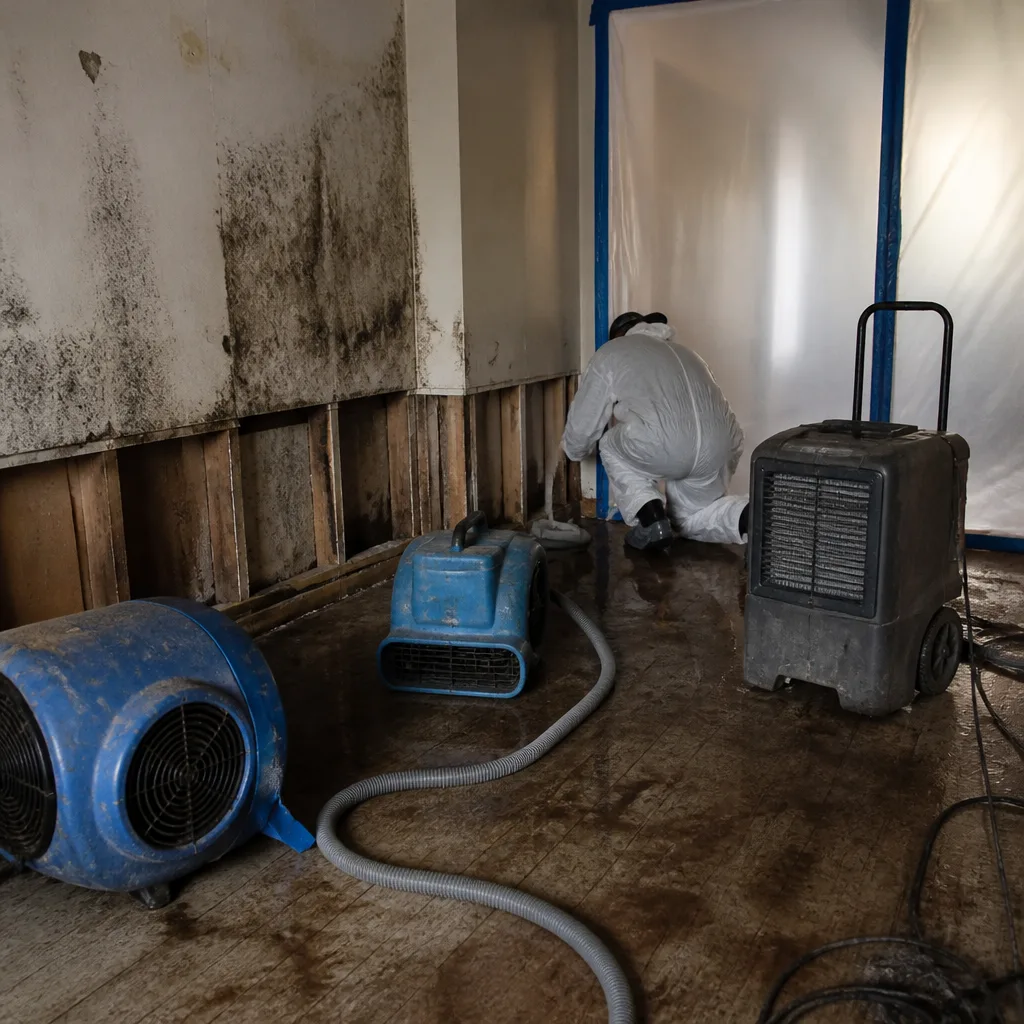 Before
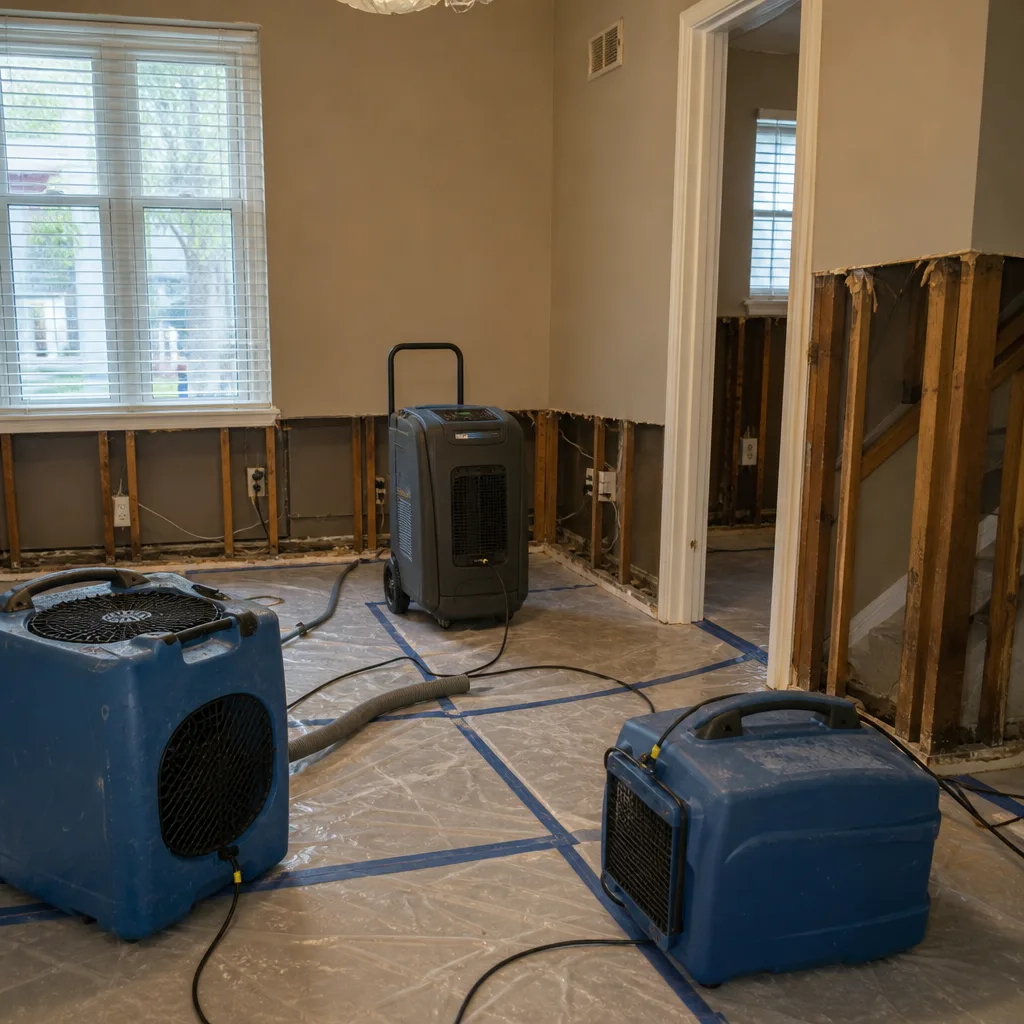 After
After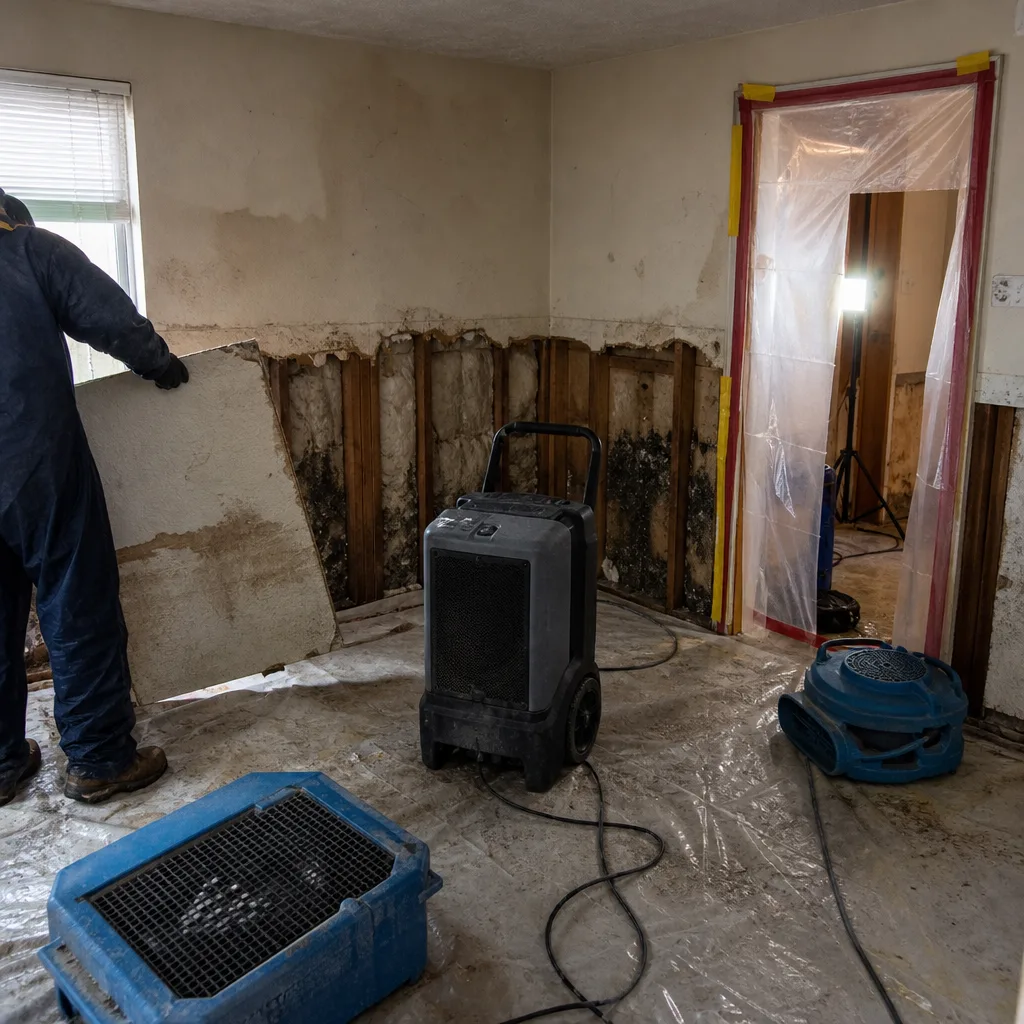 Before
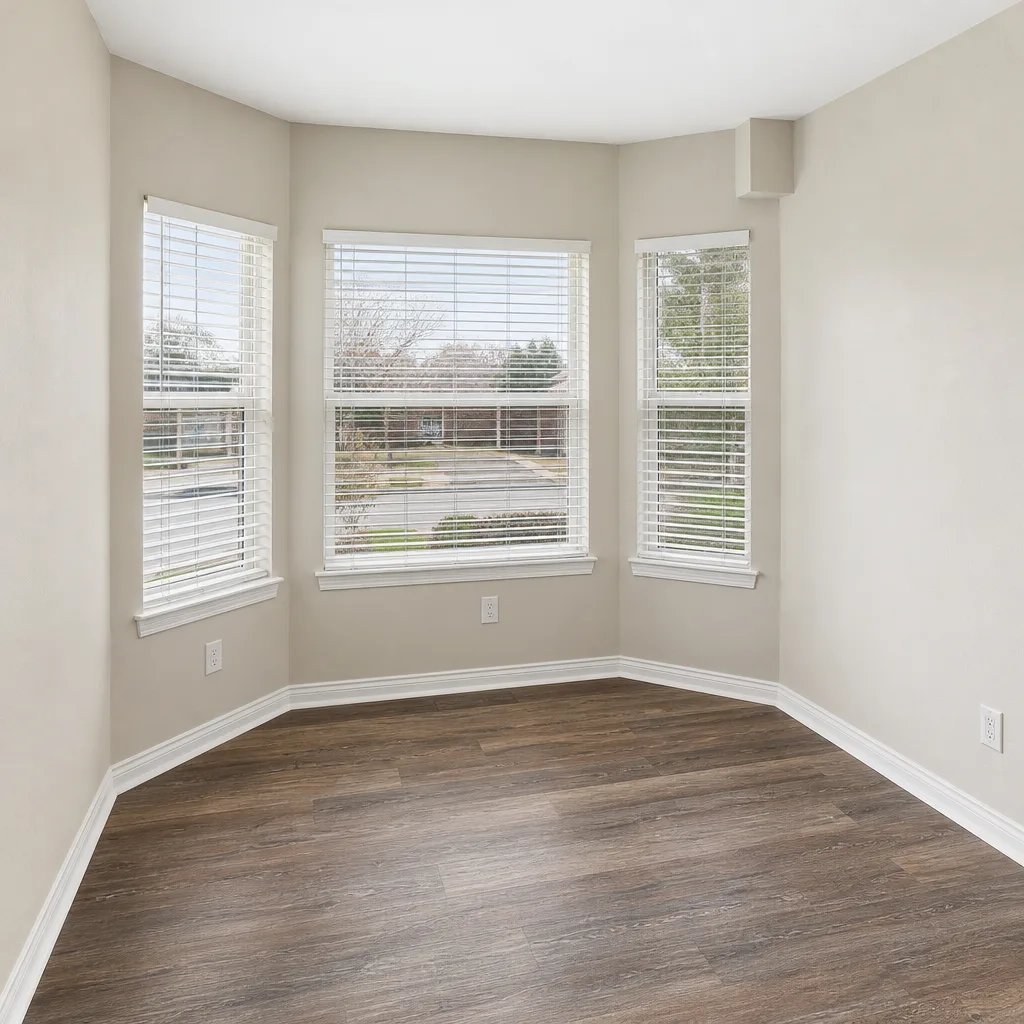 After
After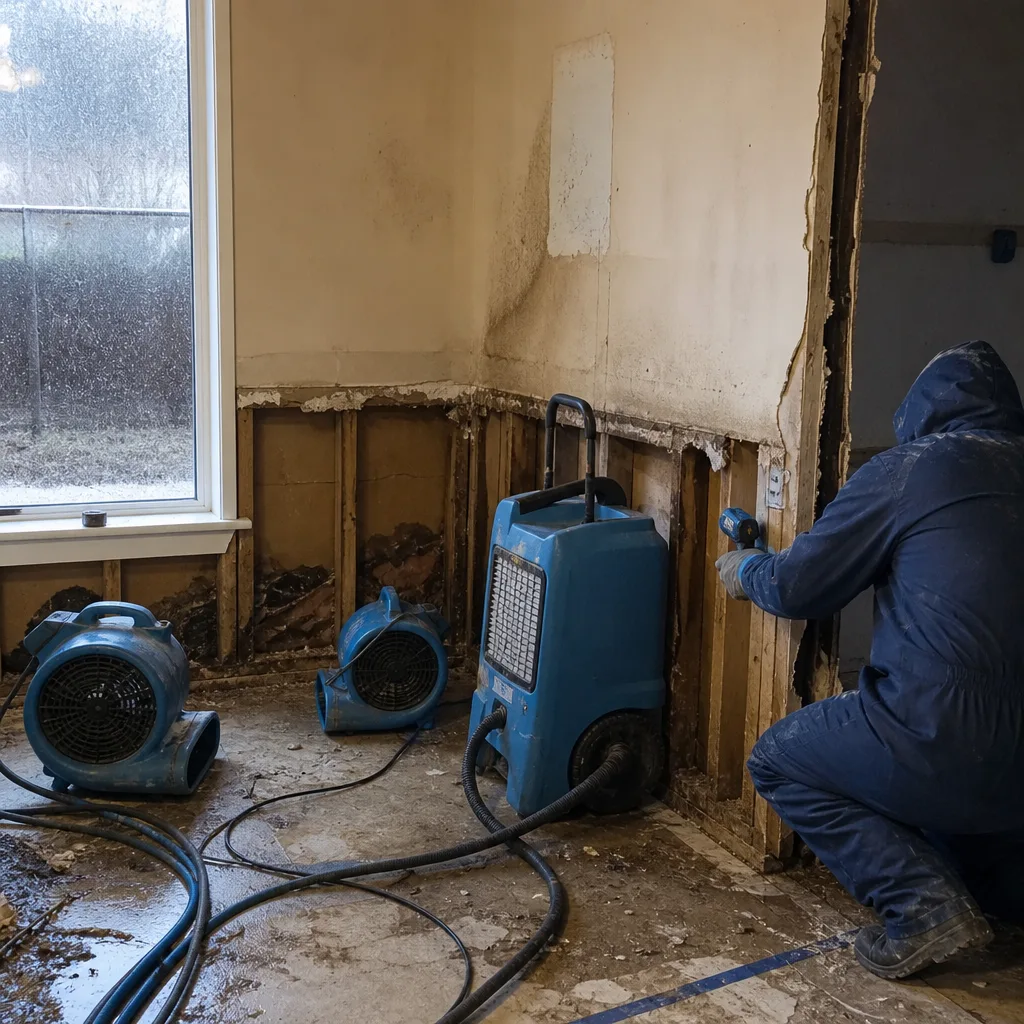 Before
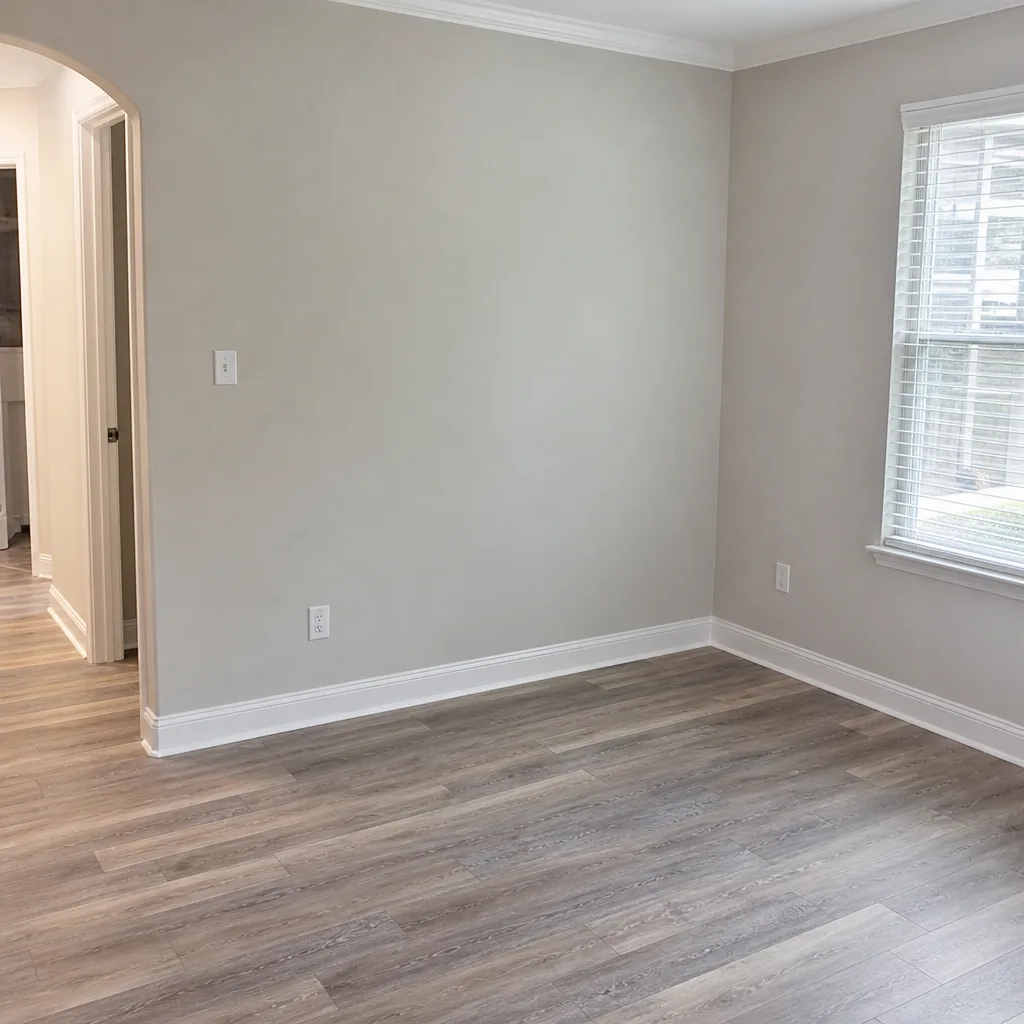 After
After