
Last updated October 16, 2026
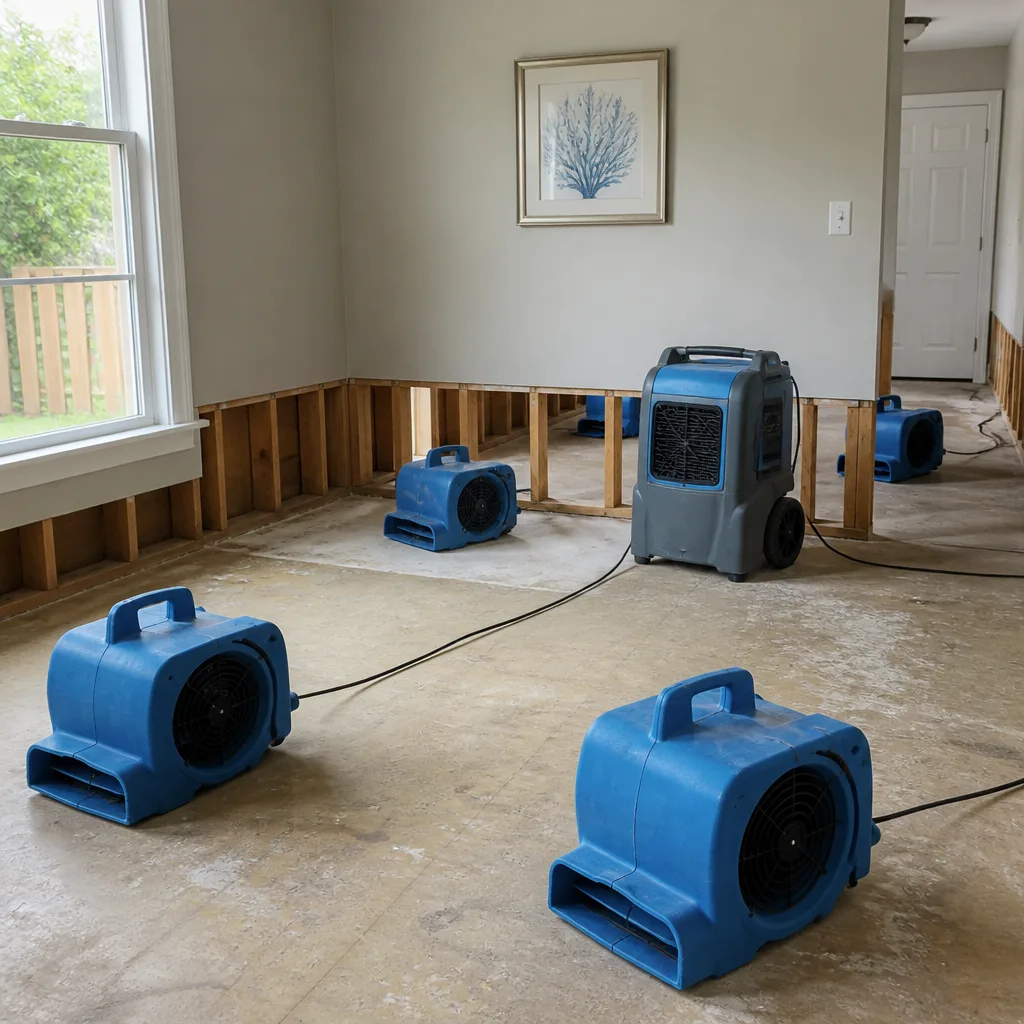 Water damage drying
 Fire & smoke cleanup
 Mold remediation
 Storm response
 Sewage cleanup
 Reconstruction
Free visual inspection and a written scope of work before any mitigation begins - photos, moisture readings, and drying logs go in your claim file
The scope we write is the scope we bill. Anything new gets shown to you, in writing, before we touch it.
Get your free estimateSeasonal Damage Restoration Care for Fort Worth: Year-Round Homeowner’s Guide
Fort Worth doesn’t have four mild seasons. It has a freeze spike in winter, a violent hail corridor in spring, a moisture-pressure summer, and a dry-cracking fall that each stress homes in completely different ways. The February 2021 freeze left Fort Worth plumbers booked eight weeks out. Homeowners who had already insulated their pipes and located their shutoff valve spent around $300 on repairs. Homeowners who hadn’t spent an average of $11,000. This guide maps the actual Fort Worth weather calendar to specific restoration risk windows so you can act before damage events, not after. You’ll learn which inspections matter each season, how to document every check so it holds up in an insurance claim, and which skipped steps most often lead to the failures we see line by line on Fort Worth job sites.
Restoration work we handle
Quick Answer
Seasonal damage prevention in Fort Worth means running a rotating set of inspections tied to four distinct risk windows: freeze-pipe prep and attic checks in winter, roof and hail-damage walks in spring, HVAC condensate and humidity control through the summer, and foundation and plumbing-stress reviews in fall when clay soil shrinks. The highest-value steps for most homeowners cost under $100, create a dated maintenance record that insurers respect, and can mean the difference between a $300 repair and an $11,000 restoration job.
Table of Contents
- The Fort Worth Seasonal Damage Calendar
- Winter: Freeze-Pipe Risk and the 2021 Pattern (December – February)
- Spring: Hail, Roof-to-Attic Water Intrusion, and Siding Checks (March – May)
- Summer: HVAC Condensate Overflow and the Mold Window (June – September)
- Fall: Foundation Movement and Plumbing Stress from Soil Shrinkage (October – November)
- How to Document Seasonal Inspections for Insurance
- Seasonal Damage Types Adjusters Most Often Misclassify
- The Three Winterization Steps Fort Worth Contractors Most Often See Skipped
- Common Mistakes to Avoid
- When to Call a Professional
- Frequently Asked Questions
- The Bottom Line
The Fort Worth Seasonal Damage Calendar
Most restoration companies talk about water, fire, and mold as separate trades. We think about them as one continuous calendar. The same house that survives a February freeze can take on water in April, grow mold in July, and crack plumbing in October. Each season in Fort Worth applies a different kind of pressure to the building envelope, and each pressure has a known failure pattern. Here is the four-season map we use when homeowners ask what to watch for.
- December – February: Freeze-pipe ruptures, ice dam backup at rooflines, and water heater failures under cold-weather load. This is the highest-dollar water damage season in Fort Worth, driven by sudden hard freezes rather than gradual cold.
- March – May: Hail strikes, wind-driven rain through compromised roofing, and gutter overflow at the fascia. Fort Worth sits in a hail corridor that runs through Tarrant County, and spring storms here routinely produce hail large enough to open roof penetrations that let water into the attic for weeks before anyone notices.
- June – September: HVAC condensate line clogs, elevated indoor humidity feeding mold, and toilet or supply line failures during peak household use. The sustained 90-plus-degree weeks mean your AC runs constantly, and when the condensate drain backs up, the pan overflows into the ceiling or wall cavity.
- October – November: Soil shrinkage beneath the slab as clay dries out, which flexes foundation plumbing and can crack cast iron or PVC waste lines, plus gutter blockages from leaf drop that redirect water toward the foundation perimeter.
You can’t improve on this calendar’s accuracy. It is based on what we see in Fort Worth homes every year, not a generic national checklist. The inspections that follow in this guide are built to match these windows exactly.
Winter: Freeze-Pipe Risk and the 2021 Pattern (December – February)
Fort Worth freezes hard and fast. Unlike northern cities where cold sets in gradually and stays, Tarrant County swings from 65 degrees to 15 degrees in a single afternoon. That thermal shock is what bursts pipes. Water expands roughly 9% when it freezes, and the copper, PEX, or PVC in your walls or attic does not flex 9%. The pipe splits at the frozen section, then floods the moment the thaw arrives and pressure returns to the line.
The 2021 failure pattern was predictable in retrospect. Most ruptures happened in three places: pipes run through uninsulated attic spaces, hose bibs on exterior walls that were never drained or covered, and supply lines inside cabinets on north-facing walls where cold air pooled. The homes that escaped with minor damage shared a common set of actions.
- Locate the main water shutoff valve and tag it. In 2021, a meaningful share of the $11,000-plus claims involved homes where water ran for 30 to 60 minutes before anyone could find the valve. Do this now, in daylight, before you need it at 2 a.m. in the dark.
- Insulate attic pipe runs. Use closed-cell foam sleeves on every exposed pipe in the attic, including the hot water line. Wrap joints separately. The goal is not to keep the pipe warm; it is to slow heat loss long enough for the freeze to pass.
- Drain and cover exterior hose bibs. Shut off the interior supply valve to each bib, open the exterior spigot to drain, and leave it open. Then fit an insulated bib cover. This is the single most skipped step we see in Fort Worth, and the failure is nearly always catastrophic because bibs on exterior walls freeze before anything else.
- Open cabinet doors on exterior walls. Kitchen sinks, bathroom vanities, and wet bar cabinets on north and west walls need warm interior air circulating into the cabinet cavity. When the forecast calls for a hard freeze, leave those doors open at night.
- Drip faucets on the farthest fixture. A slow drip from a fixture at the farthest end of the plumbing run keeps water moving through the system and relieves pressure at the point where ice begins to form. Use cold water, not hot, to protect both supply lines.
If a freeze happens and you find a burst pipe, shut off the main valve immediately, open every faucet to drain the system, kill power to affected areas, and call for extraction. The clock starts the moment thaw begins. The longer water sits inside wall cavities, the higher the likelihood of microbial growth that pushes a $2,000 water damage restoration in Fort Worth job into a $9,000 mold remediation in Fort Worth project.
Spring: Hail, Roof-to-Attic Water Intrusion, and Siding Checks (March – May)
Fort Worth’s spring is the roof damage capital of the state’s calendar. Tarrant County sits inside one of the most active hail corridors in North America, and a single March or April storm can deposit hail large enough to bruise shingles, crack vent caps, dent flashing, and open seams around roof penetrations. The water doesn’t always enter immediately. Often the storm damage creates a weakness that sits quiet for weeks until the next heavy rain pushes water through into the attic insulation, then down into the ceiling.
Spring inspections should start on the ground, not on the ladder. Walk the perimeter and look for granules at the downspout outlets; asphalt shingles shed granules when they are hit hard, and a heavy granule deposit at the downspouts means the roof surface took a beating. Look at the soft metal: the gutter downspouts, the mailbox, the AC condenser fins, and the fascia. If those surfaces show pockmarks or dents, the roof almost certainly has damage even if it still looks intact from the street.
Inside the attic, run this checklist after any hail event:
- Daylight through the roof deck. Kill the attic light and look up. Any pinhole of daylight means a breach that water can enter.
- Dark staining or water trails on decking. Follow any staining to its source. Roof leaks rarely appear directly above the ceiling stain you see in the living room; water travels along rafters and drips at the lowest point.
- Wet or matted insulation. Fiberglass batts that have absorbed water lose their R-value and become a mold food source. Compressed or discolored insulation is worth a closer look.
- Rust on nail heads. This signals condensation or water contact that has been ongoing long enough to oxidize the metal.
Spring is also the season to clean gutters and downspouts, but in Fort Worth the priority changes slightly. It is not just about overflow. Gutters that are blocked force rainwater to spill against the fascia and run down the exterior wall, where it can enter behind siding, track along the sheathing, and pool inside the wall cavity. We have opened walls on spring jobs where the only visible symptom was a damp smell near a window, and the actual problem was a blocked downspout pushing water into the wall for months.
Summer: HVAC Condensate Overflow and the Mold Window (June – September)
Fort Worth summers are a moisture pressure test on every home. Your air conditioner runs 14 to 18 hours a day for months at a time, pulling gallons of water out of the air every day. When that water drains correctly, it leaves the house through the condensate line. When the line clogs with algae, dust, or insect debris, the water backs up into the drip pan, and then the pan overflows. That overflow typically happens above a hallway ceiling, a closet, or a wall cavity where the air handler sits.
A slow HVAC condensate leak is one of the most insidious water damage sources we handle in Fort Worth. It rarely produces a dramatic puddle. Instead it drips, soaks the drywall, and evaporates into the hot attic air, leaving behind a humidity pocket that feeds mold growth inside the wall cavity. By the time a homeowner sees a stain on the ceiling, the damage is often weeks or months old.
Your summer prevention checklist should include:
- Pour a cup of white vinegar into the condensate line at the air handler every 60 days. This is the simple preventive that most homeowners skip. It keeps the line clear of the algae and sludge that cause the backup in the first place.
- Check the drip pan every month. If there is standing water in the pan, the line is partially or fully clogged. A wet pan means the overflow is one clog away.
- Replace air filters on schedule. A restricted filter forces the coil to run colder, which increases condensation volume and puts more load on the drain system.
- Monitor indoor humidity. Fort Worth indoor humidity that stays above 60% for sustained periods during the summer is a mold growth condition. A $20 hygrometer in the hallway tells you more than a visual inspection ever will.
- Check the exterior condensate outlet. Go outside and find where the line terminates. During a hot day with the AC running, you should see a steady drip. No drip means a clog is forming inside the line.
Summer is also the season for slab leaks triggered by sustained high water usage. When the ground saturates and your home’s plumbing is running at peak volume, small weak points at pipe joints become failures. If you see a hot spot on the tile floor, hear water running when no fixtures are on, or see a spike on your water bill that doesn’t match your usage, you may have a slab leak that belongs in the water damage restoration category, not the plumbing-only category. The distinction matters for insurance.
Fall: Foundation Movement and Plumbing Stress from Soil Shrinkage (October – November)
Fort Worth sits on expansive clay soil. That clay expands when it absorbs water and shrinks when it dries out. After a long, hot summer, the soil around and beneath your foundation has contracted significantly. The fall, with its typically drier weather before the winter rains, is when the shrinkage reaches its maximum. When the soil pulls away from the foundation, it changes the load distribution under the slab. That flex can crack cast iron drain lines, separate PVC joints, and stress copper supply lines.
The visible signs of fall foundation-driven plumbing stress:
- Gaps between the soil and the foundation edge. Walk the perimeter after a dry spell. A visible gap wider than a quarter inch means the soil has pulled back and the slab is carrying uneven load.
- Drywall cracks that appear or widen around door frames and window corners. These are not cosmetic when they follow a soil moisture pattern; they are evidence of slab movement.
- Doors that stick or fail to latch in the fall but were fine in the spring. Seasonal door alignment changes in Fort Worth clay soil are a foundation stress signal.
- Gurgling drains or slow clearing toilets. When cast iron waste lines crack under slab pressure, the line loses its gravity slope, and drains move slower until they back up.
- Unexplained water in the yard near the foundation line. This can be a supply line leak underground, and it is a restoration issue just as much as it is a plumbing one.
- Date, time, and weather conditions at the time of the check. This anchors the record in reality and makes it verifiable if the claim is ever questioned.
- The specific items checked. Write down “attic pipe insulation intact, hose bibs drained and covered, no daylight through roof deck” rather than “looked at the attic.”
- What you found. Even “no changes” is a finding. The record is the point, not the discovery.
- Photographs, taken from the same vantage points every season. Same corner of the house, same attic view, same foundation angle. Side-by-side comparison is powerful evidence.
- Any repair or maintenance action taken, with receipts. If you replaced a hose bib cover, installed a sump pump battery, or cleaned the condensate line, the receipt is part of the claim file.
- Locating and testing the main shutoff valve before the freeze. In the homes that flooded badly in 2021, a share of the damage was not the burst pipe itself. It was the 20 to 40 minutes the homeowner spent searching for the shutoff valve, trying to turn it with a corroded handle, or realizing it was buried behind stored items in the garage. You need to be able to reach that valve in the dark, by feel, in under two minutes. Test it now. Turn it off, verify the water stops, and turn it back on. If it sticks, replace it now while the weather is warm.
- Draining the irrigation and hose bib lines completely. Homeowners cover their hose bibs but forget the interior valve that actually controls the bib. The cover insulates the exterior, but if the pipe inside the wall is still charged with water and the wall cavity gets cold enough, the pipe splits inside the wall where the bib cover does nothing. The correct sequence is: shut the interior supply valve, open the exterior spigot, drain it dry, leave it open, then cover. Skipping the drain step is the single most common winterization mistake in Fort Worth.
- Checking attic insulation coverage over pipe runs before the cold arrives. Fort Worth attics are often under-insulated for the freeze spikes we get. The insulation covers the joists but leaves the pipes resting on top, exposed to the attic air. When the attic drops below 20 degrees during a hard freeze, those exposed pipes freeze first. The fix is simple: pull the pipe down so it sits below the top of the insulation, or add a closed-cell sleeve over the exposed sections. We see homes every winter where this $20 fix would have prevented a $6,000 ceiling replacement.
- Assuming renters insurance or homeowners insurance covers every water source. Most policies have specific exclusions and sub-limits for gradual leaks, groundwater seepage, and sometimes mold. Know what your policy says before the damage happens, not after.
- Waiting for visible damage before acting on a water smell or humidity reading. By the time you see the stain, the damage inside the cavity is done. Musty odors and sustained humidity above 60% are both early warnings; act on them the same week.
- Using a shop vac as the primary tool on a refrigerator line break or a toilet overflow. A shop vac removes surface water, not water wicked into drywall, baseboards, and subfloor. The water left behind is what feeds mold growth over the following weeks. Professional extraction equipment from brands like Dri-Eaz and Phoenix works differently, and it matters.
- Painting over a water stain without finding the source. The stain will be back, and the mold beneath it will be bigger. Paint is not a mitigation strategy.
- Believing that a roof with no missing shingles is undamaged after a hail storm. Hail damage is often subsurface. The shingles look intact from the ground but have lost their granule layer and water resistance. An attic inspection after every major hail event is the only way to know.
- Failing to photograph damage before beginning any cleanup or demolition. The insurance adjuster needs to see the damage in its original state. Once you start tearing out drywall or moving contents, you are altering the evidence. Photograph everything first, from multiple angles, with a timestamp.
- Choosing a restoration company based on the lowest bid without checking for written pricing and guaranteed work. The cheapest crew often cuts corners on drying time, equipment quality, and documentation, and that shortfall shows up later as mold, warped floors, or a denied insurance claim. Ask for the price in writing before work starts and the guarantee in writing before you sign.
Your fall inspection should include walking the entire foundation perimeter and taking dated photos from the same angles each year. Year-over-year comparison is the single best diagnostic tool for clay soil movement. The photo doesn’t need to be beautiful; it needs to be consistent. Mark a fixed point on the wall, stand in the same spot, and shoot the same framing every October. When you compare against the prior year, you will see gaps open, brick lines shift, or grade changes that your eye would miss week to week.
For the plumbing itself, shut off all fixtures and watch the water meter for 15 minutes. A meter that moves with everything off means a hidden leak somewhere in the system. These Fort Worth water damage patterns are often the quiet kind: no dramatic flood, just slow movement under the slab that compounds for months before anyone connects the dots.
How to Document Seasonal Inspections for Insurance
Documentation changes the insurance conversation. We see it on every claim we handle: the homeowner who has a dated, photographed maintenance record gets a faster, fairer settlement than the homeowner who has a verbal memory of “checking things.” Insurers classify damage as either sudden and accidental, which is covered, or gradual and preventable, which is often denied. Your documentation is the evidence that tips the classification.
Create a simple seasonal inspection log. It does not need to be elaborate. A spiral notebook, a note on your phone, or a shared doc will do. For each seasonal inspection, record:
When a claim happens, this record demonstrates two things to the adjuster: the damage was not the result of long-term neglect, and the homeowner has a documented pattern of care. That second point matters enormously in Fort Worth, where the freeze-thaw cycle and clay soil movement create damage patterns that look gradual even when the triggering event was sudden.
Seasonal Damage Types Adjusters Most Often Misclassify
Part of the value of a seasonal inspection record is that it corrects misclassification. The following damage types are consistently disputed in Fort Worth claims, and the dispute is always about timing, not about whether the water damage exists.
Slab leaks from clay soil movement
Adjusters sometimes classify a slab leak as a maintenance failure, arguing that the homeowner should have caught the soil movement or the pipe corrosion earlier. A fall inspection log that shows the homeowner actively monitored the foundation perimeter and reviewed the water meter changes that argument from “neglect” to “sudden failure.” The leak still gets covered either way in many policies, but the settlement speed and deductible fight change dramatically.
Freeze-pipe damage with no visible pipe burst
In some 2021 claims, adjusters argued that the damage was caused by condensation or a pre-existing leak rather than a freeze event, because the pipe split was in a wall cavity and not visible until demolition started. A documented pre-winter insulation and bib-draining check provides the timeline that defeats that argument.
Hail-damage roof leaks that appear weeks after the storm
Roof water intrusion from hail often appears with a delay. The storm passes in March, the leak shows up in April’s heavy rain, and the adjuster sees a water stain with no obvious storm date attached. A dated post-hail attic inspection with photos of granule loss and dented soft metal fills that gap and connects the leak to the storm event.
HVAC condensate overflows
Adjusters frequently classify condensate pan overflows as “improper maintenance” because the drain line was clogged. A log showing the homeowner poured vinegar into the line every 60 days and checked the pan monthly demonstrates that the clog was not neglect; it was simply the failure of a system under extreme summer load.
Mold growth discovered during another repair
Mold found behind a wall during a water damage restoration or fire damage restoration in Fort Worth project is often disputed because the adjuster assumes the mold pre-dated the covered loss. Seasonal humidity logs, inspection notes, and photos of the same wall showing no prior water staining are your strongest defense.
In all five cases, the homeowner who can hand the adjuster a dated, specific maintenance record is in a materially better position than the homeowner who says “we check things regularly.” Specificity wins.
The Three Winterization Steps Fort Worth Contractors Most Often See Skipped
We see the same three failures every winter in Fort Worth. They are not exotic. They are things every homeowner has heard about and still skips. And each one produced measurable damage in the 2021 freeze that no one wants to repeat.
Common Mistakes to Avoid
When to Call a Professional
Some seasonal damage is DIY-addressable: a hose bib cover, a condensate line flush, a package of foam pipe insulation. But certain situations demand a crew that runs to a written standard. Call a professional when water has penetrated a wall cavity, ceiling, or subfloor; when you see visible mold growth larger than a dinner plate or smell a persistent musty odor; when a freeze burst a pipe and water has run for more than a few minutes; when hail damage is suspected on the roof; or when a slab leak is indicated by a moving meter or a hot spot on the floor. In these cases, the scope is bigger than a cleanup, the drying is more technical than a fan, and the insurance claim needs documentation that only a professional team formats correctly. Keegan Restoration Fort Worth offers free estimates in Fort Worth. Call (682) 900-2821 and a live person will answer, day or night.
Frequently Asked Questions
Small-scale water damage from a burst hose bib or a condensate overflow typically runs $1,200 to $4,000 depending on the affected area, the drying time, and whether drywall or flooring replacement is needed. Larger freeze-pipe losses that saturate multiple rooms and require full extraction, structural drying, and rebuild work commonly land between $8,000 and $18,000. The 2021 freeze claims in Fort Worth with multiple ruptures and delayed shutdowns frequently exceeded $30,000. Call (682) 900-2821 for an exact written quote. Estimates are free.
Most Fort Worth homeowners policies cover sudden and accidental water damage from freeze-pipe bursts, provided the homeowner took reasonable steps to maintain heat in the home during the freeze. Coverage hinges on the event being sudden and accidental, not gradual. A documented pre-winter inspection log strengthens your claim. Water damage restoration in Fort Worth that is properly photo-documented and formatted to your adjuster’s workflow speeds the settlement.
Keegan Restoration Fort Worth answers calls with a live person 24 hours a day, 7 days a week, including nights, weekends, and holidays. Dispatch timing depends on the volume of active jobs at the moment you call, especially after a citywide freeze or hail storm, but the phone is never a queue. Call (682) 900-2821 and you will speak with a human on the first ring.
It depends entirely on where the water went. Surface water on tile or concrete that is extracted within hours and dried with airflow may need only cleaning. Water that has wicked into drywall, baseboards, subfloor, or insulation needs more than cleaning because the trapped moisture feeds mold growth in the weeks that follow. The honest answer comes from a moisture meter reading, not a visual estimate. Any reputable company will show you the readings before recommending scope.
You do, ultimately, but the right restoration company supports you. Keegan Restoration Fort Worth documents every job with photos, moisture readings, drying logs, and line-item scope records formatted to the standards adjusters expect. That documentation is submitted alongside your claim so the adjuster sees a professional record rather than a homeowner’s recollection. We are not adjusters and we don’t negotiate your coverage, but we make sure the evidence is complete.
The 365-Day Done Right Promise is the written guarantee behind every Keegan Restoration Fort Worth job: if a repair fails within one year of completion, we return and make it right at no charge. Every job also runs to The Garrison Standard, which means the price is put in writing before work begins, technicians are background-checked and arrive in uniform, and the work is documented and formatted to support your insurance claim. The guarantee is written, not verbal, and it follows the work for a full 365 days.
The Bottom Line
Fort Worth’s four-season damage calendar is knowable, and the prevention pattern is consistent: inspect before the pressure arrives, document what you find, and act on the early warnings before they become claims. In winter, locate and test your shutoff valve, drain your bibs, and insulate attic pipe runs. In spring, walk the roof perimeter and inspect the attic after every hail event. In summer, keep the condensate line clear and monitor indoor humidity. In fall, check the foundation perimeter and listen for slow drains. Write it all down. Photograph it. Save the receipts. When a real event happens, your record is the difference between a covered claim and a disputed one, and the team that wins your trust is the one that shows up inside the window, puts the price in writing before touching anything, and stands behind the work for a full year.
Written by Shane Pruitt, Owner at Keegan Restoration Fort Worth, serving Fort Worth since 2005.
See the difference
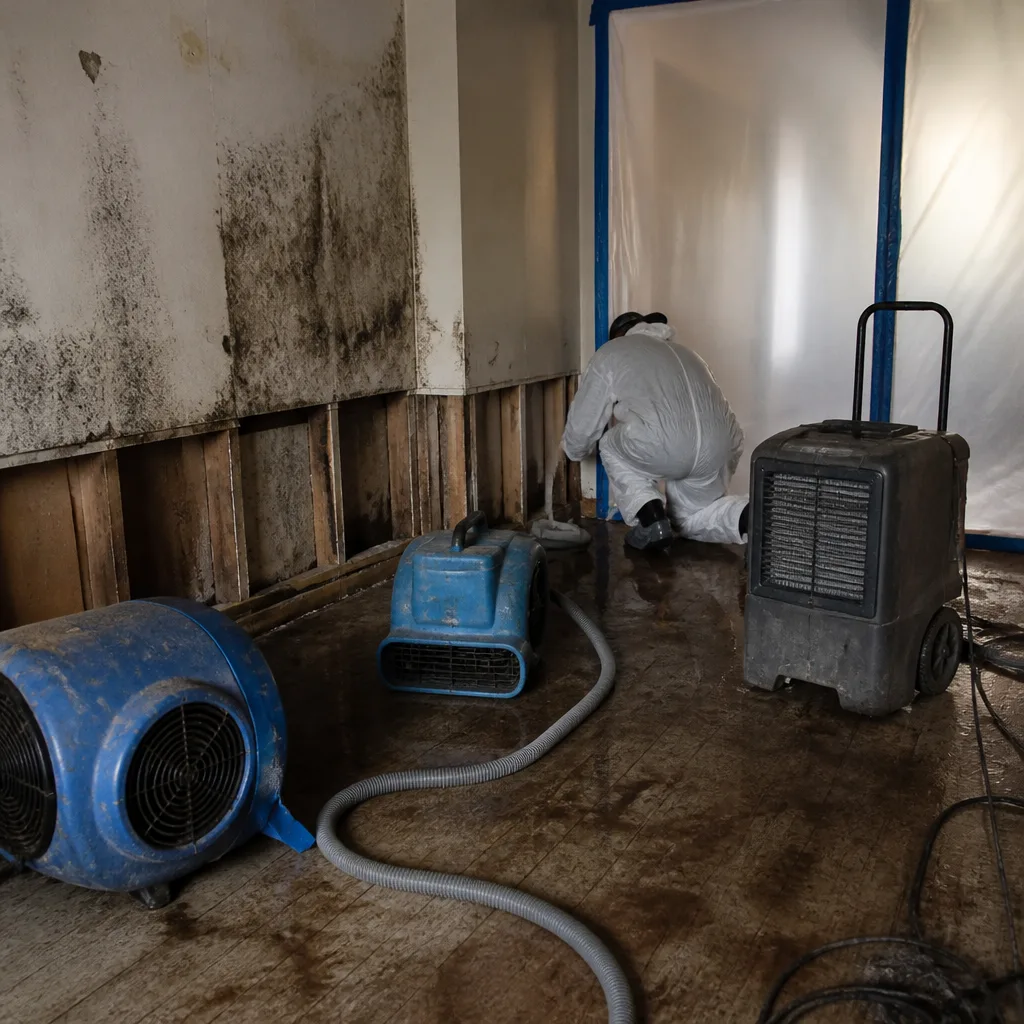 Before
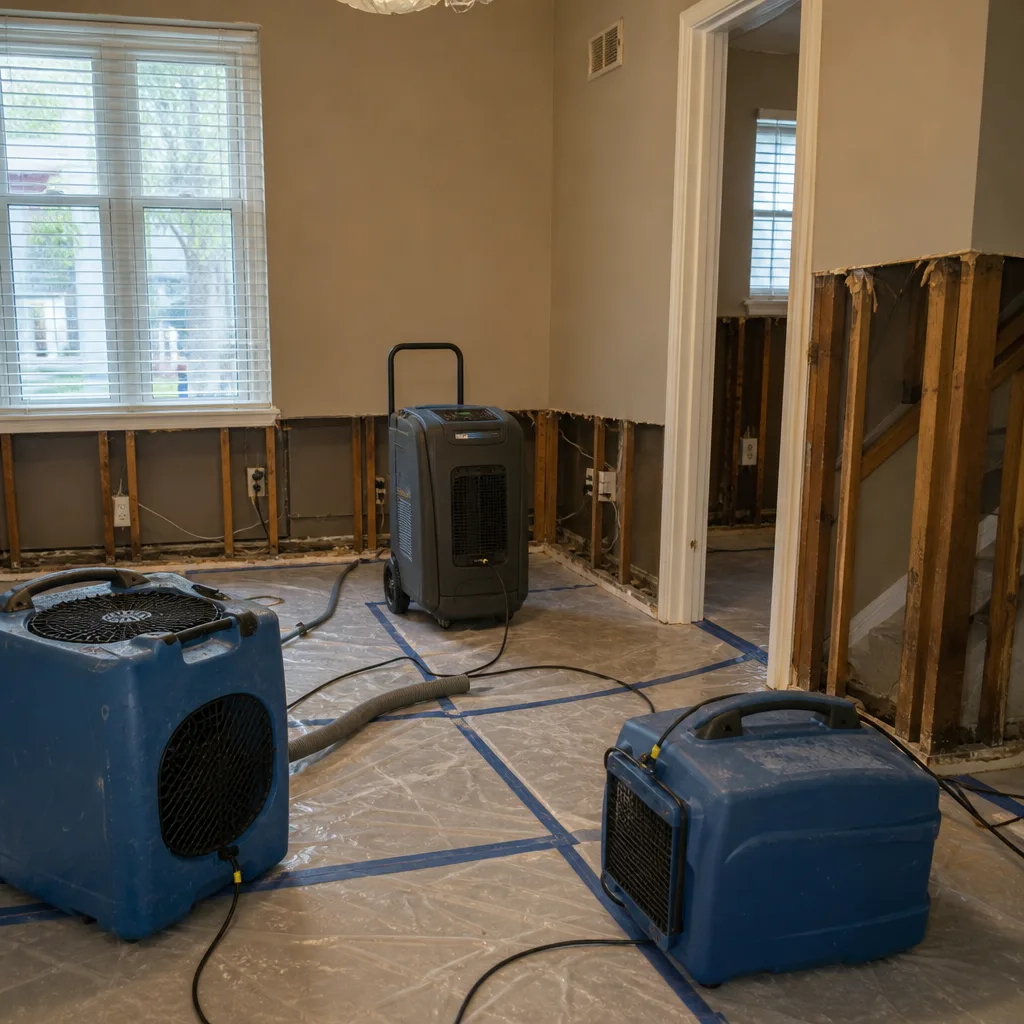 After
After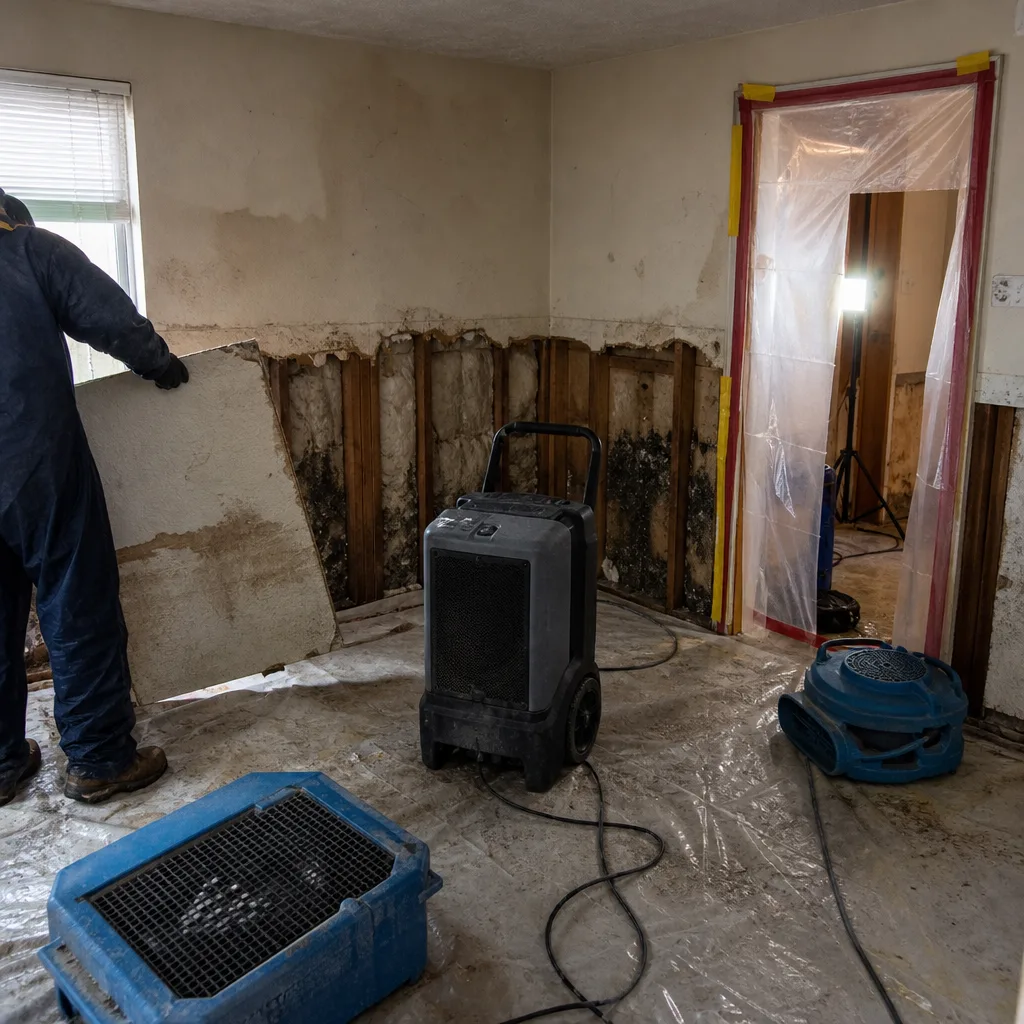 Before
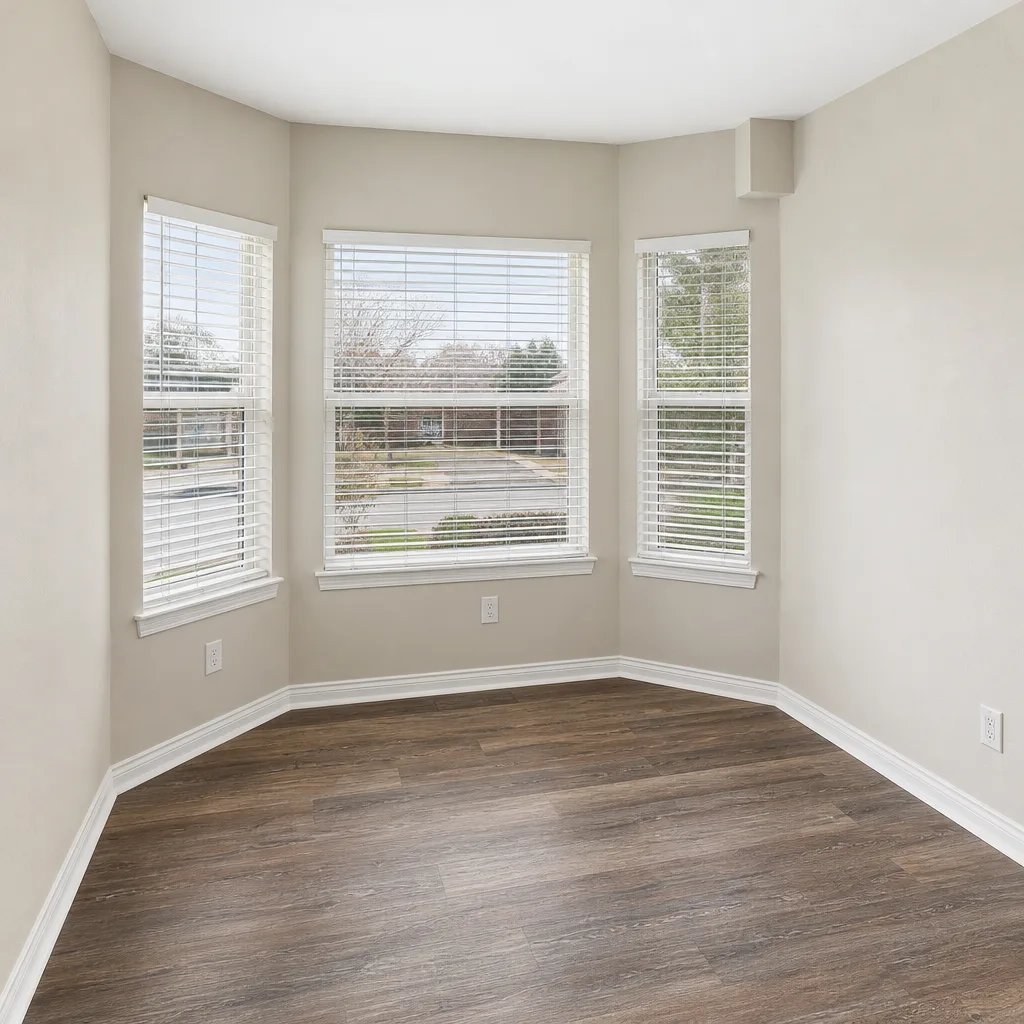 After
After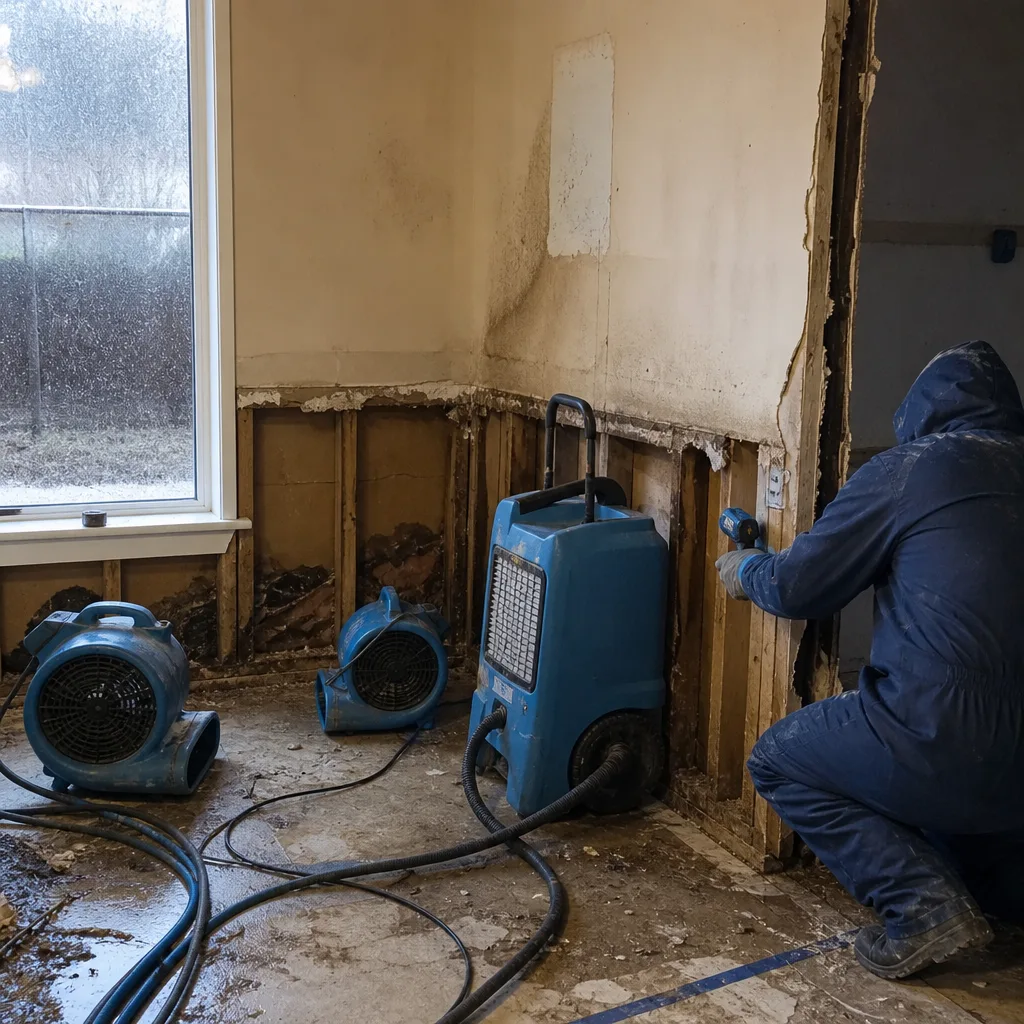 Before
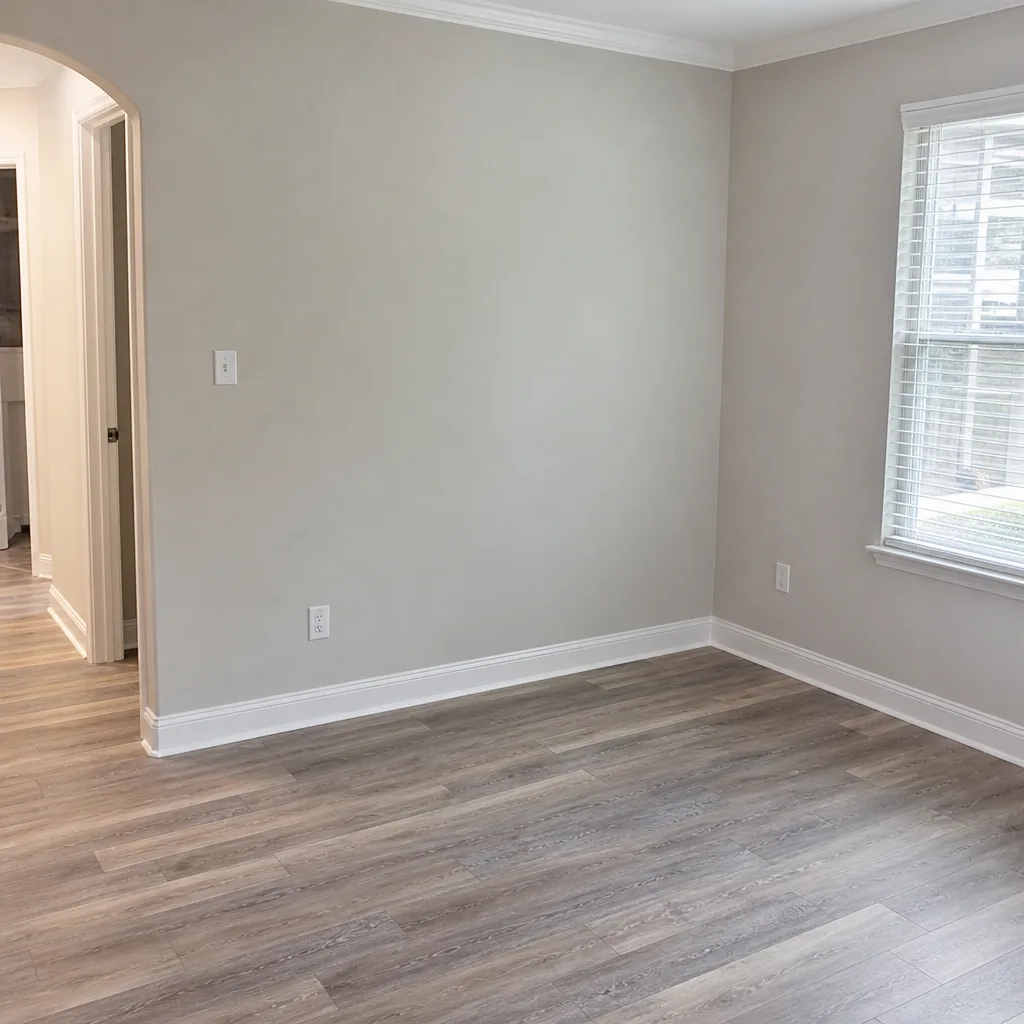 After
After