
Last updated October 16, 2026
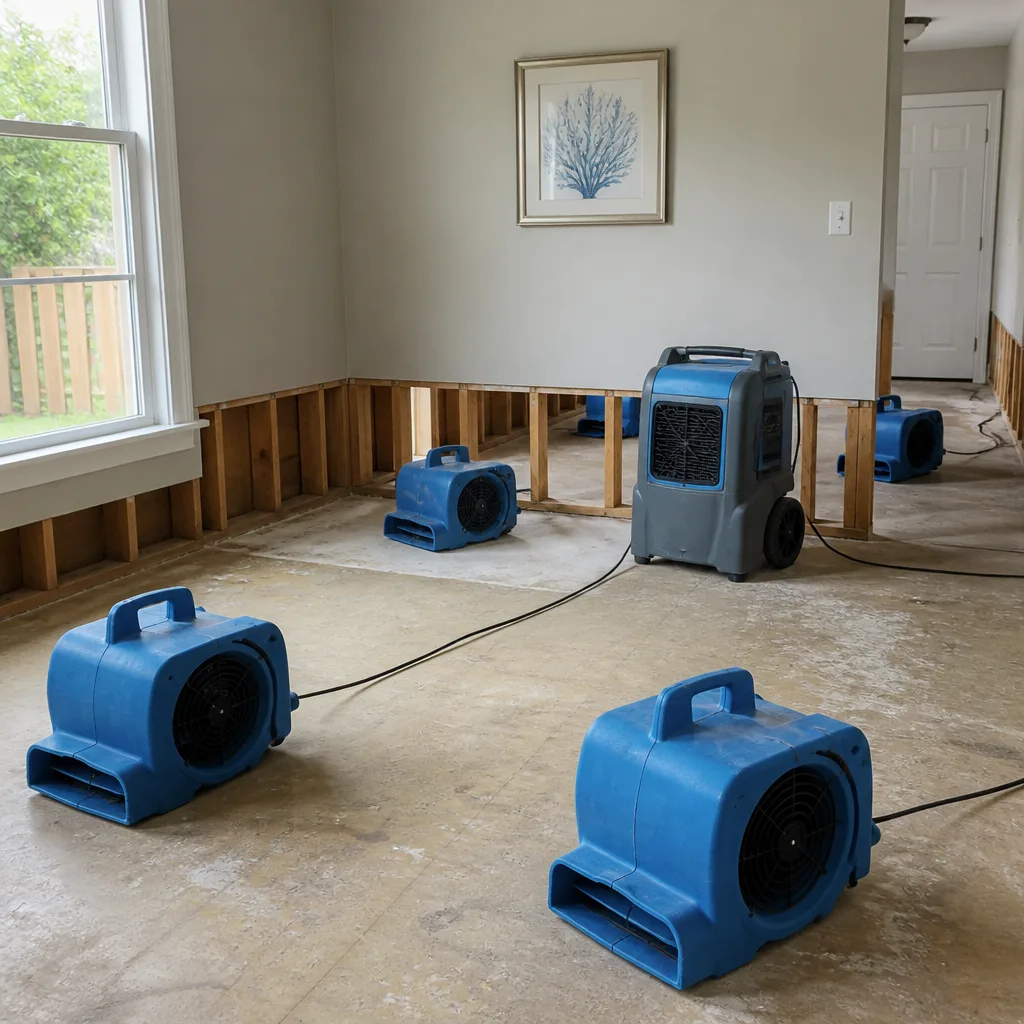 Water damage drying
 Fire & smoke cleanup
 Mold remediation
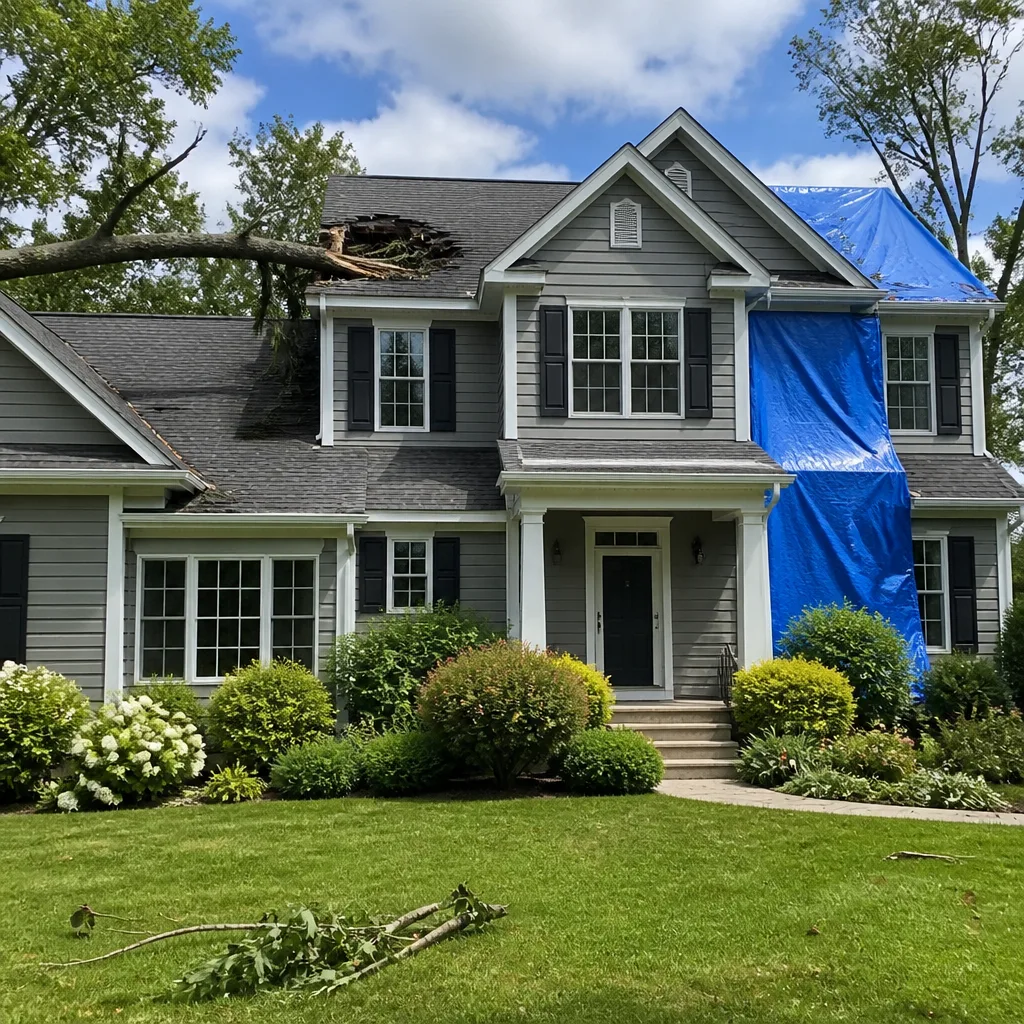 Storm response
 Sewage cleanup
 Reconstruction
Free visual inspection and a written scope of work before any mitigation begins - photos, moisture readings, and drying logs go in your claim file
The scope we write is the scope we bill. Anything new gets shown to you, in writing, before we touch it.
Get your free estimateDamage Restoration Permits, Codes & Inspections in TX: What You Need to Know
A burst supply line dumps forty gallons of water through your ceiling at 2 a.m. You call a restoration company. They show up, tear out the drywall, set up fans, and hand you a bill. Six months later you’re selling the house. The buyer’s inspector pulls the city record and finds no permit was ever filed for the electrical work done after the water intrusion. The deal stalls. The buyer wants $4,000 held in escrow. The city wants the wall opened back up so an inspector can see the wiring.
That is the real cost of a skipped permit on a restoration job in Fort Worth. It is not a fine from the city. It is the downstream consequence of work that was never documented as code-compliant. This guide explains which Texas restoration scopes require permits, who is legally responsible for pulling them, how to verify the permit actually exists before work starts, and what the inspection sequence looks like in Tarrant County. For Damage Restoration Warning Signs: A Fort Worth Homeowner’s Reference Guide, see our companion resource. By the time you finish reading, you’ll know exactly what to ask any contractor before you sign anything.
Quick Answer
Texas does not have a single statewide building code; each municipality adopts its own. In Fort Worth, restoration work that opens walls, alters electrical or plumbing systems, or repairs structural framing after water or fire damage requires a permit, and the contractor performing the work is legally responsible for pulling it. Without a permit, the repair cannot be verified as code-compliant, which can block a future home sale and give your insurer grounds to deny a later claim on the same area.
Restoration work we handle
Table of Contents
- Why Texas Has No Single Building Code and What That Means for Your Restoration
- Which Restoration Scopes Trigger a Permit in Fort Worth
- Who Is Legally Required to Pull the Permit
- How to Verify Your Contractor Actually Pulled the Permit
- The Tarrant County Inspection Sequence for Restoration Work
- How Permit Documentation Supports Your Insurance Claim
- What a Missing Permit Means at Resale and for Your Title
- Common Mistakes to Avoid
- When to Call a Professional
- Frequently Asked Questions
Why Texas Has No Single Building Code and What That Means for Your Restoration
Texas is one of a small number of states that has never adopted a statewide building code. The state legislature has repeatedly declined to pass one, leaving code adoption to individual cities and counties. That means a water-damaged wall repair that requires a permit in Fort Worth may not require one in a neighboring Tarrant County city that has not adopted the same version of the International Residential Code (IRC).
Fort Worth operates under its own adopted code amendments, which follow the IRC with local modifications. Other cities in the Metroplex, including Arlington, North Richland Hills, and Keller, each maintain their own adoption timelines and amendments. This patchwork creates a practical problem for homeowners: you cannot assume that what your neighbor did in a different city is legal where you live. You also cannot assume that a contractor who works across city lines knows the Fort Worth amendments well enough to pull the right permit for your specific scope.
In our experience, the most common permitting failure on restoration jobs isn’t a homeowner refusing a permit to save money. It’s a contractor who works primarily in another city, doesn’t realize Fort Worth requires a permit for a scope that his home city doesn’t, and skips the filing entirely. The homeowner finds out years later at a resale inspection.
What this means for you: when a restoration in Fort Worth involves opening a wall cavity, replacing electrical components, rerouting plumbing, or altering framing, start from the assumption that a permit exists. If your contractor says otherwise, ask them to show you the specific code citation. If they can’t, call the city yourself and ask. The Fort Worth Development Services department answers permit questions by phone, and a live person at Keegan Restoration Fort Worth home can walk you through what we typically see on water, fire, and mold jobs in the city.
Which Restoration Scopes Trigger a Permit in Fort Worth
The rule is simple: cosmetic repair doesn’t need a permit. Structural, electrical, plumbing, and mechanical repair does. But the line between cosmetic and structural on a restoration job is not always obvious to a homeowner, because water and fire damage rarely stay on the surface.
Scopes that generally require a permit in Fort Worth:
- Structural drying that opens walls: Cutting out wet drywall to expose framing for drying equipment is generally fine without a permit. Replacing that drywall is also fine. But if the wet framing itself has to be sistered, replaced, or reinforced, that is structural work and requires a permit.
- Electrical repairs after water intrusion: If water reached an outlet, a switch, a junction box, or the wiring inside a wall cavity, the affected portion of the circuit must be evaluated. Replacing water-exposed wiring, outlets, or breakers requires an electrical permit. This is one of the most common scopes we see, and one of the most commonly skipped.
- HVAC work post-fire damage: Fire often damages ductwork, supply plenums, and the wiring that feeds the air handler. Replacing duct runs or repairing the air handler after fire damage requires a mechanical permit in Fort Worth. Smoke damage to duct interiors sometimes means full duct replacement, not just cleaning.
- Plumbing repair after a supply or drain failure: Replacing a section of rotted drain line or a burst section of supply piping inside a wall or slab requires a plumbing permit. Replacing a toilet or a faucet does not.
- Framing repair after long-term water exposure: If a slow leak went undetected and the sill plate, floor joists, or wall studs have rotted, the repair involves structural work and a building permit.
- Mold remediation that opens wall or ceiling cavities: Containment, negative air, and surface cleaning generally don’t require a permit. Cutting out and replacing framing or sheathing because of mold damage does.
Each of these scopes ties back to a specific permit type. Our Water Damage Restoration in Fort Worth service always includes a permit check before we open any wall, because we work to a written standard that requires it.
Who Is Legally Required to Pull the Permit
In Texas, the legal responsibility for pulling a permit falls on the person or company performing the work. If you hire a contractor, the contractor pulls the permit. Not the homeowner. Not the insurance adjuster. Not the property manager. The contractor.
This is codified in the licensing and permitting requirements of most Texas municipalities, and Fort Worth is no exception. A contractor performing work without a permit where one is required is operating in violation of city code, even if the homeowner signed a contract that says the homeowner is responsible for permits. A contract clause cannot override municipal code.
Here is the sequence that should happen before any restoration work begins on a permit-required scope in Fort Worth:
- The contractor identifies the full scope of work, including what’s behind the visible damage. A water-damaged wall often hides electrical damage in the same cavity. A fire in the kitchen often means duct damage above the ceiling.
- The contractor files the permit application with Fort Worth Development Services before opening walls or cutting framing. On emergency water mitigation work, the city does allow for emergency stabilization before the permit is filed, but the permit must be filed promptly and the work must not proceed past stabilization.
- The contractor receives the permit number and displays or records it. You, as the homeowner, should ask for this number and write it down.
- Work proceeds, and the contractor schedules inspections at the required stages.
- The final inspection passes, and the permit is closed. A closed permit is the documented proof that the work met code at the time it was done.
If a contractor tells you a permit isn’t needed for a scope that obviously involves electrical or structural work, get a second opinion from the city or from a separate contractor. The permit is your documentation, not theirs. It protects you, not them. At Fire Damage Restoration in Fort Worth, we file every required permit and provide the permit number to the homeowner in writing before work starts. It is part of The Garrison Standard we work to on every job.
How to Verify Your Contractor Actually Pulled the Permit
A contractor who says they pulled a permit but didn’t is worse than a contractor who openly skips it, because you don’t find out until the damage is done. The good news is that Fort Worth makes permit verification straightforward through the Development Services portal. Here is the step-by-step process:
- Go to the Fort Worth Development Services online portal. You can search by address, permit number, or contractor name.
- Enter your street address. The portal shows all permits associated with the property, open and closed, with dates and permit types.
- Confirm the permit matches the scope. A restoration permit should reference the trade (building, electrical, plumbing, mechanical) and describe the work. If you see a permit for fence repair but not for electrical work, something is wrong.
- Track the permit status. Open permits show the inspection schedule. Closed permits show the final inspection date. You want a closed permit, not just a filed one.
- Call Development Services if anything is unclear. A phone call to the city is free, and the staff can tell you whether a permit is required for a specific scope.
We tell every homeowner we work with in Fort Worth: write down the permit number. Put it in the same folder as your insurance claim documents. It belongs there, because a closed permit is a claim document. It proves the work was done, inspected, and passed. If the same area of the home is damaged again years later, that closed permit is evidence that the prior repair was done to code and was not the cause of the new damage.
This matters for the guarantee too. Keegan’s 365-Day Done Right Promise covers our repair work in writing for a full year. If a repair fails within that window, we return and make it right at no charge. But the guarantee and the permit work together: the permit shows what we did, and the guarantee promises it will hold up. Without the permit, you have a repair and a promise. With it, you have a repair, a promise, and a city record.
The Tarrant County Inspection Sequence for Restoration Work
Permits come with inspections. That’s the point. The inspection is the city verifying, with eyes on the work, that it meets code before the wall gets closed back up. If you’ve never been through a restoration inspection, here is the typical sequence for a water or fire restoration job in Fort Worth and Tarrant County:
- Rough-in inspection: This happens after the framing repair is done, the electrical wiring is run, and the plumbing is roughed in, but before the drywall goes back on. The inspector checks the framing connections, the wire gauge and junction boxes, the pipe slopes and fittings, and the fire-blocking. Most failures happen at this stage.
- Mechanical inspection: If the scope included HVAC work, the mechanical inspection happens at the same general stage. The inspector checks the duct connections, the air handler wiring, and the gas line if applicable.
- Insulation inspection: In some scopes, the inspector returns after insulation is installed to verify the correct R-value and vapor barrier placement. Not every restoration job includes this stage, but structural work with exterior walls usually does.
- Final inspection: This happens after drywall, paint, trim, and fixtures are complete. The inspector verifies that everything visible looks code-compliant and that all previous inspection items were corrected and signed off.
What fails most often at rough-in:
- Electrical junction boxes left inaccessible behind drywall or below a finished ceiling.
- Improper wire splices; code requires junction boxes for every splice, and restoration work done in a hurry sometimes skips this.
- Framing repairs that don’t match the original load path; a sistered joist that is too short, or a sill plate replacement that wasn’t bolted to the foundation.
- Plumbing venting changes that drop below the required slope or create an S-trap where a P-trap should be.
- Fire-blocking gaps in wall cavities after fire restoration; the original fire often damaged the blocking, and it has to be replaced before drywall goes up.
A failed rough-in is not a disaster. It is the system working. The inspector catches a problem before the wall is closed and you pay for it later. A contractor who skips the permit skips this checkpoint, and the problem stays hidden inside your wall until it causes a failure. Keegan’s technicians work to IICRC, RIA, and IFA industry standards on every restoration, and we treat the city inspection as a checkpoint, not an obstacle. The inspection is there to confirm the work is right.
How Permit Documentation Supports Your Insurance Claim
Insurance carriers care about permits for two reasons. First, a permit proves the scope of work was actually done. Second, a closed permit proves the work was done to code. Both of those facts matter when you’re negotiating a settlement.
Here is how the documentation flows on a properly permitted restoration:
- The adjuster’s estimate matches the permit scope. The permit describes the work: “replace 40 linear feet of water-damaged framing, rewire two circuits, replace 12 outlets and 3 junction boxes.” The adjuster can compare that against the contractor’s scope of loss. When the two match, the claim moves faster.
- Photo documentation is tied to permit stages. We photograph every job at rough-in and final. The photos show what was actually inside the wall before it was closed. If the adjuster questions whether the framing really needed replacement, the photos and the permit together answer the question.
- Direct adjuster coordination is cleaner. A restoration company that works with permits knows how to schedule inspections around the adjuster’s timeline. The adjuster can visit at rough-in if they want to see the damage firsthand before it’s covered.
- The final invoice matches the closed permit. When the job is done and the permit is closed, the invoice should describe the same scope. Discrepancies between the invoice and the permit raise red flags for the carrier’s fraud unit.
If you file a claim for damage in the same area of the home within a few years of a prior restoration, your insurer will look for the permit from the first job. If the first repair was done without a permit, the carrier may argue that the prior work caused the new damage. That argument becomes much harder to make if the first job has a closed permit and passed inspection. For mold jobs specifically, Mold Remediation in Fort Worth with full documentation is what protects your claim and your home’s future insurability.
What a Missing Permit Means at Resale and for Your Title
Skipping a permit on restoration work does not create a title defect in the legal sense. The title company doesn’t search for permits. But it can create a material disclosure problem, and in Texas, material disclosure failures are the fastest way to a lawsuit between a seller and a buyer.
Here is the practical chain of events we’ve seen play out in Fort Worth:
- A buyer makes an offer on a home. The home has a recent restoration in the kitchen from a dishwasher supply line failure.
- The buyer’s home inspector notices new drywall, new outlets, and new cabinetry and asks the seller for documentation.
- The seller has no permit record because the contractor never pulled one.
- The buyer’s inspector flags the work as unpermitted in the inspection report.
- The buyer demands the seller open the wall, hire a licensed electrician to verify the wiring, pull a retroactive permit, and pay for the inspection. If the city refuses to retroactively permit the work because it is inaccessible, the wall comes open anyway.
- The deal either dies or the seller pays thousands to reopen and redo work that was already paid for once.
This is not a hypothetical. It happens on a regular basis in Tarrant County, and it is completely avoidable. The permit is not bureaucratic overhead. It is the documented proof that your repaired structure meets code, and without it a future buyer’s inspector or your own insurer can treat the work as if it was never inspected at all. From our position as a Fort Worth restoration contractor, pulling the permit is the cheapest insurance you will ever buy on a repair.
If you are buying a home that had prior water or fire restoration, pull the permit history on the address before you close. Look for closed permits that match the visible work. If the work was done without permits, you can ask the seller to either provide documentation of a retroactive permit or reduce the price to cover the cost of bringing the work into compliance. You can also call the Fort Worth Development Services department and ask what the corrective process looks like for unpermitted work on a property you’re considering.
Common Mistakes to Avoid
- Assuming painting over water stains means the structure is fine. A stain on the ceiling can indicate a slow leak that has been rotting framing for months. Painting over it hides the symptom, not the cause. In Fort Worth’s humid climate, hidden moisture behind paint and drywall becomes mold within days.
- Letting the contractor proceed with “emergency work” for weeks without a permit. Emergency stabilization, like stopping active water flow and setting up drying equipment, can happen before a permit. Everything after stabilization requires a permit if the scope triggers one. A contractor who is still “in emergency mode” three weeks later is avoiding the permit.
- Signing a contract that makes the homeowner responsible for permits. This clause is a red flag. The person performing the work pulls the permit in Texas. If a contractor’s contract says you’re responsible, ask why they want to shift a legal obligation onto you.
- Not keeping the permit number with your insurance documents. The permit is a claim document. Put it in the folder. When you sell the house, the buyer’s agent will ask for it, and you’ll be glad it’s there.
- Hiring a contractor who works primarily outside Fort Worth without checking their permit history here. Cross-city contractors may not know Fort Worth’s specific amendments. Check their permit history on the Development Services portal before signing.
- Repairing water-damaged electrical components without an inspection. Water and electricity are a dangerous combination, and damage to wiring is not always visible at the outlet. A circuit that works after drying may have corrosion inside the wall that fails months later. This is exactly the kind of repair that needs a rough-in inspection before the wall is closed.
When to Call a Professional
Any restoration scope that involves opening walls, touching electrical or plumbing, or repairing framing is a job for a licensed contractor, not a handyman and not a weekend project. Water damage that sits for more than 48 hours in our Fort Worth climate turns into a mold problem inside wall cavities. Fire damage always involves structural evaluation, because heat weakens framing even where the flames never touched. If your restoration triggers a permit, you want a contractor who pulls permits as standard practice and can produce the permit number in writing before work starts. Our guide on How to Hire a Damage Restoration Contractor in Fort Worth: A Step-by-Step Guide covers how to vet this during your search.
Keegan Restoration Fort Worth offers free estimates in Fort Worth. We work to The Garrison Standard on every job: written price before work starts, background-checked uniformed technicians, professional-grade equipment from Dri-Eaz, Phoenix, and XPOWER, and full documentation formatted to support your insurance claim. Call (682) 900-2821 and a live person answers, 24 hours a day.
Frequently Asked Questions
You need a permit if the water damage restoration involves structural repairs, electrical work, plumbing replacement, or HVAC repair. Simple drying and drywall replacement generally does not require a permit. The contractor performing the work is responsible for determining whether a permit is required and filing it. Call (682) 900-2821 and we’ll tell you whether your specific scope needs one.
The contractor pulls the permit. The person or company performing the work is legally responsible for filing the permit application with Fort Worth Development Services. A contract clause that shifts this responsibility to the homeowner does not change the legal obligation.
Go to the Fort Worth Development Services online portal and search by your street address. The portal shows all permits associated with the property, whether open or closed. You can also call the department directly and ask about permit history on a specific address.
In most cases, yes. Permit fees are a standard line item on restoration estimates and are generally covered under the dwelling coverage of your policy when the underlying work is a covered loss. Your adjuster can confirm this for your specific policy. We format every invoice to match the permit scope, which makes the claim smoother.
You may be required to open walls for inspection, hire a licensed contractor to correct any code violations, pay for a retroactive permit, and disclose the unpermitted work to the buyer. If you don’t disclose it and the buyer finds out later, you may face legal action. The cost of opening walls and redoing work typically exceeds the cost of the original permit many times over.
Most restoration permits in Fort Worth are issued within a few business days for straightforward scopes. Emergency stabilization can proceed before the permit is issued. Larger scopes with structural or HVAC work may take longer. The inspection scheduling typically happens within a day or two of the contractor requesting it. Call (682) 900-2821 for an exact timeline on your specific scope.
The Bottom Line
A permit on a restoration job in Texas is not paperwork. It is proof. It proves the work was done, that the city inspected it, and that it met the code in effect at the time. Skip it, and you own the consequences: a stalling home sale, a denied insurance claim on a repeat loss, or a wall that has to be opened back up for an inspector years after you already paid for the repair. The contractor’s job is to pull the permit and pass the inspections. Yours is to verify the permit exists and keep the number with your records. That one step is the difference between a repair that protects your home and a repair that comes back to cost you twice.
Written by Shane Pruitt, Owner at Keegan Restoration Fort Worth, serving Fort Worth since 2005.
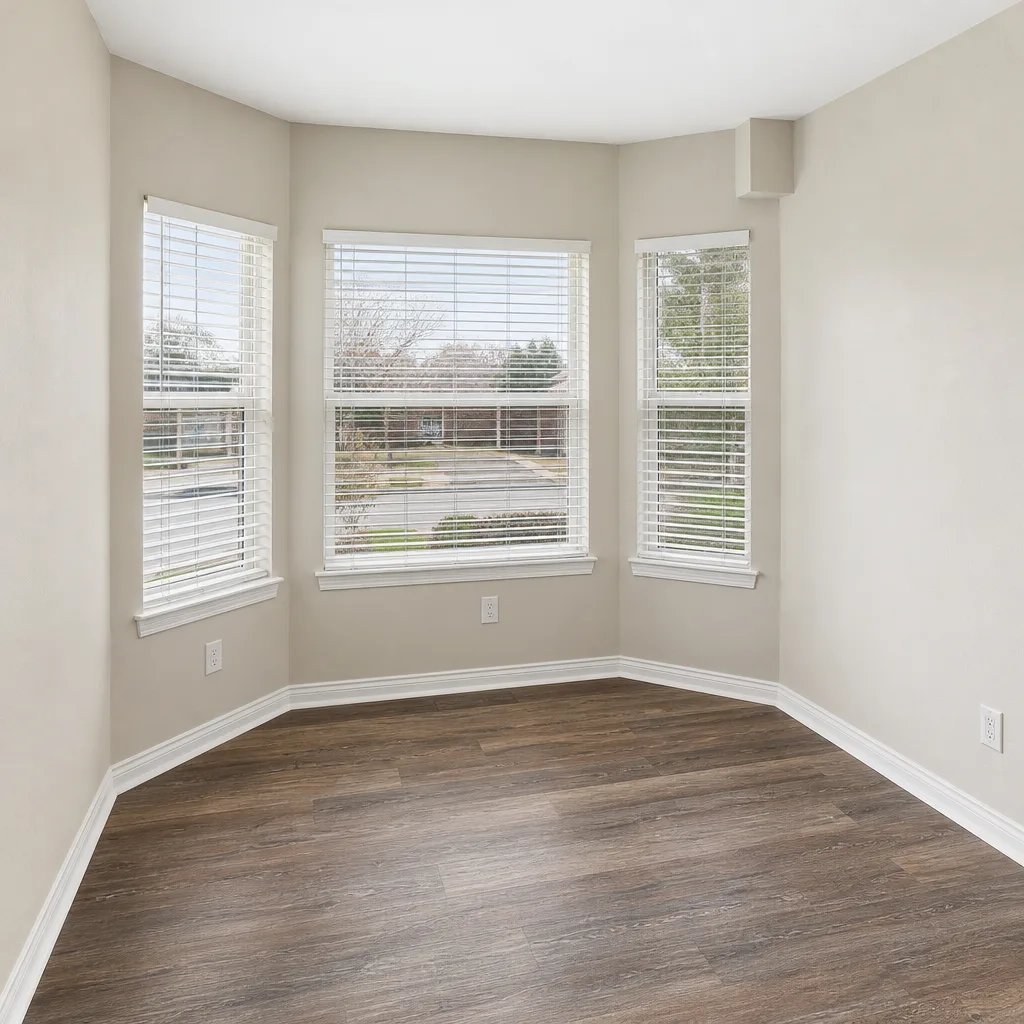
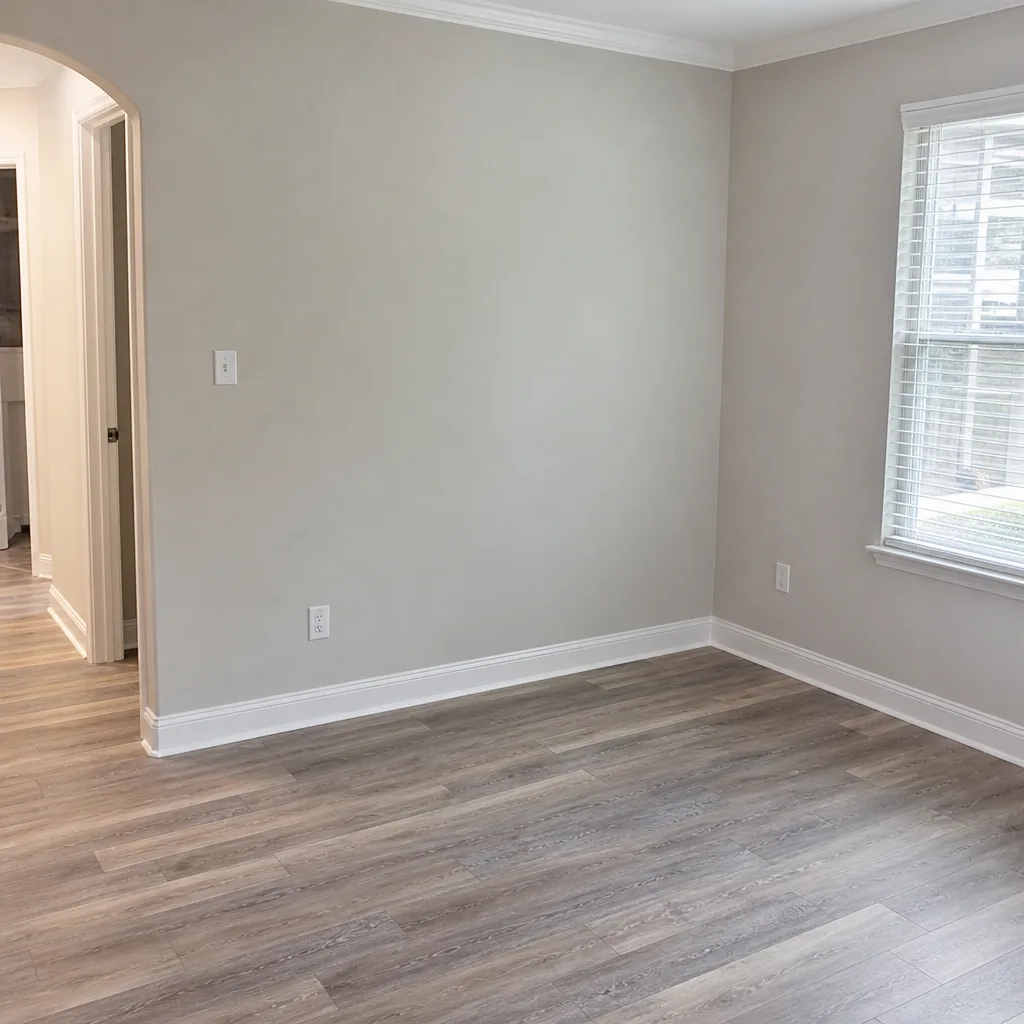
See the difference
 Before
 After
After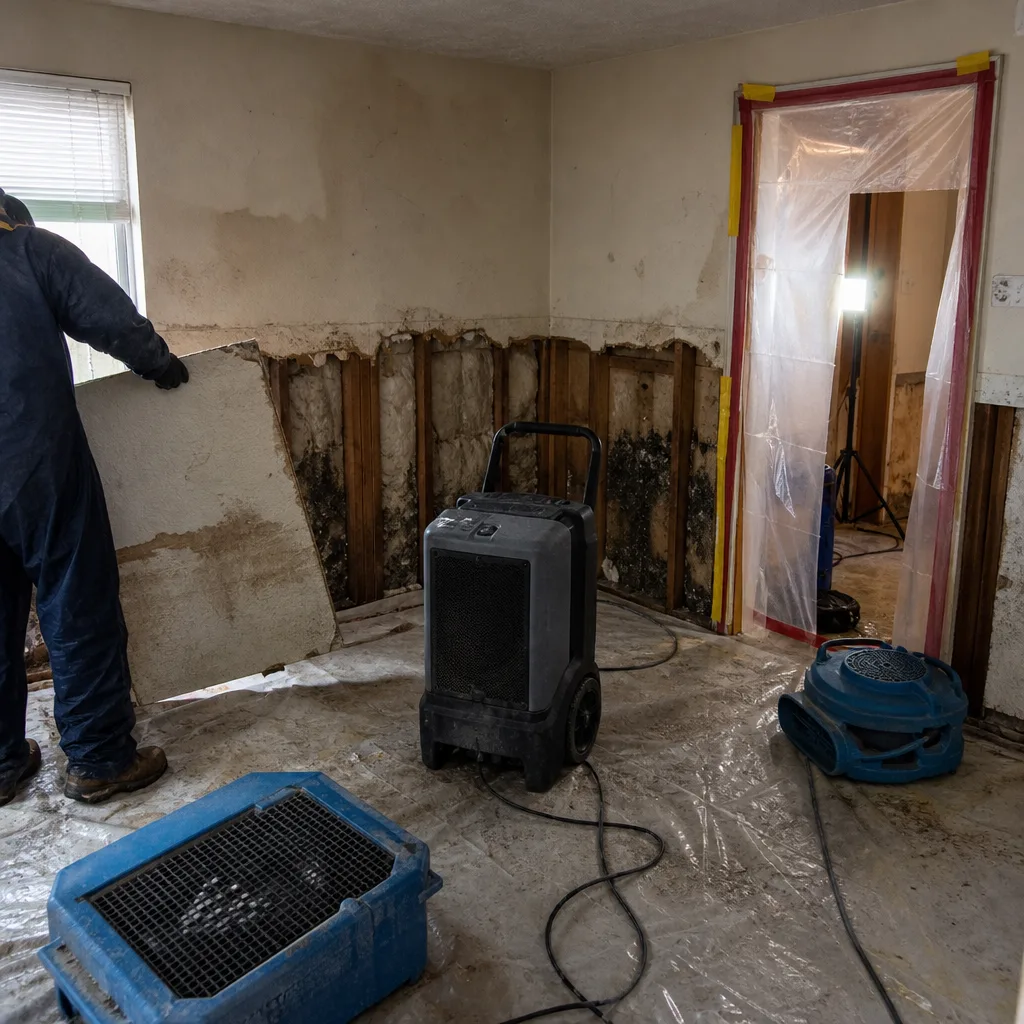 Before
 After
After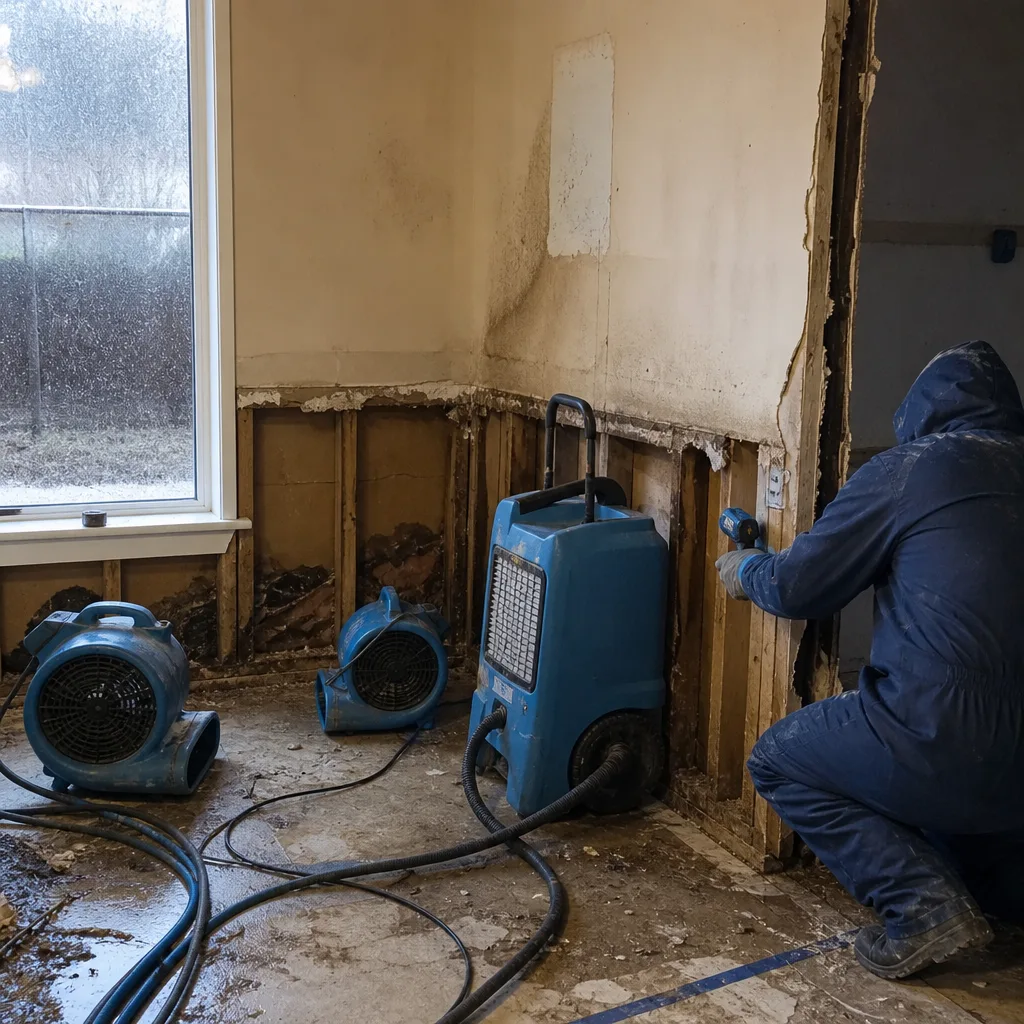 Before
 After
After