
Last updated October 16, 2026
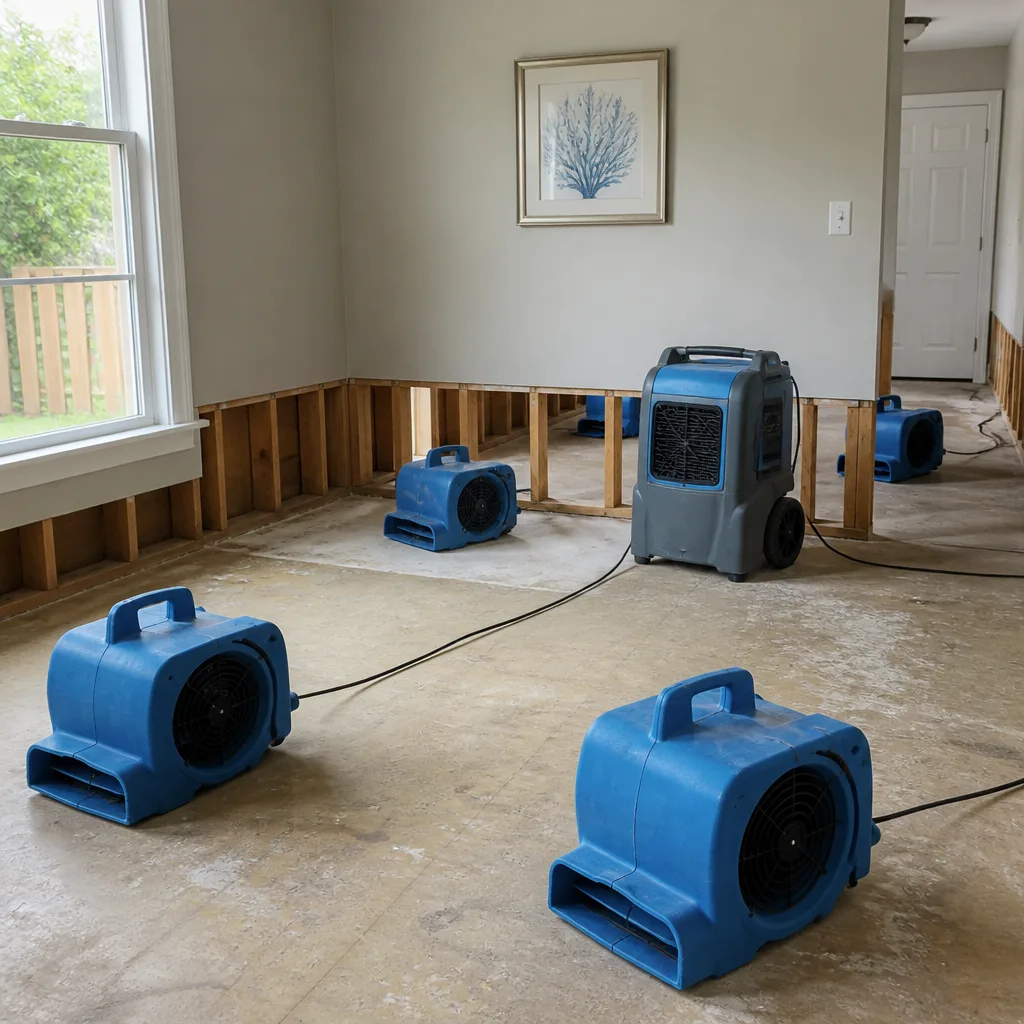 Water damage drying
 Fire & smoke cleanup
 Mold remediation
 Storm response
 Sewage cleanup
 Reconstruction
Free visual inspection and a written scope of work before any mitigation begins - photos, moisture readings, and drying logs go in your claim file
The scope we write is the scope we bill. Anything new gets shown to you, in writing, before we touch it.
Get your free estimateHow to Hire a Damage Restoration Contractor in Fort Worth: A Step-by-Step Guide
Texas does not require a state license for general damage restoration contractors. That means the crew that knocked on your door twenty minutes after the hail stopped in Fort Worth may have no verifiable credentials, no local address, and no legal obligation to stand behind their work once they cash your check. Storm chasers operate legally here, and they know it. This guide and our Complete Guide to Damage Restoration in Fort Worth give you a reproducible hiring filter: four verifiable checks, a line-by-line method for comparing scope documents, and the specific red flags that show up in the Fort Worth market after every major storm. You will learn exactly what to ask, what to demand in writing, and what to walk away from.
Restoration work we handle
Quick Answer
To hire a damage restoration contractor in Fort Worth, verify four things before signing anything: the company’s Texas Secretary of State registration, the technician’s IICRC certification, a physical Fort Worth business address, and a written guarantee on file. Then require a written scope of work with a fixed price before any work begins, and refuse any contract that includes an assignment of benefits clause. A legitimate local contractor will provide all four verifications without hesitation and put every dollar in writing before touching your home.
Table of Contents
- Why Fort Worth’s Market Attracts the Wrong Kind of Contractor
- The Four Verifiable Checks Before Anyone Enters Your Home
- Why a Written Price Before Work Begins Is Non-Negotiable
- The Assignment of Benefits Clause: What It Is and Why You Should Never Sign It
- How to Compare Scope-of-Work Documents Line by Line
- Red Flags Specific to the Fort Worth Market
- What to Ask Any Contractor Before You Agree to Anything
- Common Mistakes to Avoid
- When to Call a Professional
- Frequently Asked Questions
- The Bottom Line
Why Fort Worth’s Market Attracts the Wrong Kind of Contractor
Fort Worth sits in a weather corridor that produces hailstorms, straight-line winds, flash flooding, and freeze-thaw cycles that split pipes all winter. Our Seasonal Damage Restoration Care for Fort Worth: Year-Round Homeowner’s Guide covers how to prepare for each threat. When a storm hits, hundreds of homes need work in the same week. Local restoration companies book out fast. That gap between demand and local capacity is where out-of-state crews set up shop.
These storm chasers follow the hail map. They register a mailbox, rent a pickup, print shirts, and start knocking doors. They operate legally because Texas does not license damage restoration contractors at the state level. You cannot call a state board and ask if they are legitimate, because no such board exists. There is no license number to verify. That is the loophole, and it is wide open.
In our experience serving Fort Worth, the homeowners who get burned are almost always the ones who signed within 24 hours of the damage event, with a company that had no local address and no written guarantee. The most damaging contractors in this market are not the ones who do bad work. They are the ones who arrive first, talk fastest, and disappear after the deposit clears. That is why this guide exists. The fix is not trust. The fix is verification.
The Four Verifiable Checks Before Anyone Enters Your Home
Every contractor sounds confident on the phone. Confidence is not a credential. Before you let anyone into your home in Fort Worth, run these four checks. Each one takes five minutes or less. Together, they eliminate most of the bad actors in this market.
- Texas Secretary of State registration. Any legitimate business operating in Texas should be registered with the Texas Secretary of State. You can search the entity name online for free in under two minutes. If the company name on the truck does not match a registered Texas entity, you are dealing with an unregistered operation. That is a hard stop.
- IICRC certification lookup. The Institute of Inspection, Cleaning and Restoration Certification is the industry’s recognized training body. Technicians earn certifications in water damage restoration, applied structural drying, and fire and smoke restoration. Ask for the technician’s IICRC number and verify it on the IICRC directory. A company that cannot name a single certified technician is a company that has not invested in training.
- A physical Fort Worth address. Not a P.O. box. Not a virtual office. A real building or warehouse you can drive by. Storm chasers do not maintain local facilities. They do not have equipment stored in Tarrant County. If the address they give you is a UPS store, walk away.
- A written guarantee on file. Ask for the guarantee language in writing before you sign anything. Not a verbal promise. Not “we stand behind our work.” A written, dated, signed guarantee that says exactly what is covered and for how long. If they will not put the guarantee in writing, the guarantee does not exist.
None of these four checks requires special knowledge. They require five minutes and a phone or laptop. Run all four on every contractor, every time. The Fort Worth homeowners who skip step three are the ones who discover, three months later, that the “local office” was a coworking space rented by the week.
Why a Written Price Before Work Begins Is Non-Negotiable
The single most common complaint we hear from Fort Worth homeowners is that the price changed after the work started. The contractor gave a verbal estimate, got inside the wall, and suddenly the number doubled. The homeowner, standing in a flooded kitchen with the drywall already cut open, pays it. That is not an accident. That is a business model.
A written price before work begins eliminates the leverage play. It forces the contractor to inspect, scope, and commit before demolition starts. It gives you a document to hold up when the crew “discovers” something that was plainly visible on day one. And it gives your insurance adjuster something to compare against the final invoice.
Here is what a legitimate written price should include:
- A room-by-room scope of work with square footage and materials specified
- The equipment to be used, including brand names where relevant
- The estimated drying time, measured in days, not “as long as it takes”
- A line for demolition, a line for extraction, a line for drying, a line for repairs
- A total that does not change unless you sign a written change order for additional work
At Keegan Restoration Fort Worth, we operate under The Garrison Standard: the price is put in writing before any work begins, on every job, no exceptions. That is not a marketing claim. It is the way the entire company runs, from the first inspection to the final walk-through. If a contractor will not give you a written price before work starts, do not let them start. It really is that simple.
The Assignment of Benefits Clause: What It Is and Why You Should Never Sign It
Some restoration contracts in Texas include a clause called an assignment of benefits, or AOB. When you sign an AOB, you transfer your right to receive insurance payouts directly to the contractor. The insurance company then pays the contractor whatever the contractor bills, and you lose your seat at the table. You do not negotiate. You do not approve scope changes. You do not control the claim.
Here is how it plays out in the real world. A Fort Worth homeowner signs a restoration contract the night a pipe bursts. Buried on page four is an AOB clause. The contractor bills the insurance company $45,000 for work that should cost $18,000. The insurer disputes it. The contractor files a lawsuit against the insurer. Your claim is now frozen in litigation, your house is half-finished, and you cannot fire the contractor because you do not control the money anymore.
Do not sign an AOB. Read every contract page before signing. If you see “assignment of benefits,” “AOB,” or any language about the contractor being paid directly by your insurer, cross it out or walk away. A legitimate restoration company works with your adjuster, documents the job properly, and lets you keep control of your claim. That is the standard, and you should accept nothing less.
How to Compare Scope-of-Work Documents Line by Line
Most homeowners compare bids by looking at the bottom line. That is the wrong way to do it. Two contractors can quote $12,000 and $18,000 for the same job, and the cheaper one might actually be the worse value, because the scopes are not the same. The $12,000 bid might skip the containment, use rental-grade dehumidifiers instead of professional equipment, and exclude the rebuild entirely.
Instead of comparing totals, compare line items. Here is a step-by-step method:
- Put the two scopes side by side on a table or screen. You are looking for differences in what is included, not differences in formatting.
- Check the equipment line. Does the scope name specific drying equipment? Professional restoration companies run desiccant and low-grain refrigerant dehumidifiers and high-volume air movers, the kind of equipment made by manufacturers like Dri-Eaz, Phoenix, and XPOWER. If the scope just says “fans and dehumidifiers,” ask for brands and counts.
- Check the drying plan. Does the scope include psychrometrics, the measurement of temperature and humidity that tells you when the structure is actually dry? Or does it just say “dry until done”? A legitimate scope specifies target moisture levels and how they will be verified.
- Check for containment. Water and mold jobs require containment: plastic barriers and negative air pressure to keep contaminants from spreading through the house. If one scope includes containment and the other does not, they are not bidding the same job.
- Check the repair line. Extraction and drying are phase one. Rebuilding the wall, replacing the flooring, and repainting are phase two. Some cheap bids cover only phase one and then hit you with a separate “repair quote” after the drying is done. A complete scope covers both phases.
- Check the guarantee. Does the written scope include a written guarantee? For how long? The Keegan Restoration Fort Worth 365-Day Done Right Promise covers every repair for a full year, in writing, with a free return visit if the work fails. If a bid has no guarantee language, that is a missing line item.
This method takes thirty minutes. It will save you from the classic Fort Worth story of the homeowner who chose the lower bid and then paid for the same work twice.
Red Flags Specific to the Fort Worth Market
Every market has its own tells. In Fort Worth, after a storm, these are the signals that you are dealing with someone who will not be here in six months.
The out-of-state plate paired with a just-printed shirt. Storm chasers follow the weather from Oklahoma, Kansas, and the Gulf Coast. They roll into Fort Worth with rental trucks and brand-new uniforms. If the vehicle has an out-of-state plate and the “office” is a P.O. box or a borrowed conference room, that is a chaser. Walk away.
“Insurance pricing” language. Some contractors will not give you a dollar figure. They say things like “we bill insurance rates” or “we work with whatever your carrier pays.” That is code for “we will bill as much as we can and you will not know the number until the claim is filed.” A real contractor gives you a real dollar amount, in writing, before work starts. Every time.
Same-day pressure. The damage happened yesterday. The contractor wants a signature today. Why? Because the storm chaser knows that if you run the four checks, you will find nothing. They want your signature before you think. Legitimate local restoration companies in Fort Worth are busy but they are not pressuring you to sign within hours. A company that cannot survive a 24-hour verification window is not a company you want in your home.
The “we saw your roof from the street” knock. This is the oldest one in the book, and it still works. After every Fort Worth hailstorm, crews fan out through neighborhoods, knocking doors and claiming they “spotted damage” from the curb. No one spotted damage from the curb. They are canvassing. Do not sign with anyone who initiated contact at your door after a storm.
What to Ask Any Contractor Before You Agree to Anything
When you have a shortlist, run these questions in a phone call or in person. Write down the answers. A legitimate contractor answers every one of them without hesitating.
Questions about credentials:
- What is your Texas Secretary of State entity name and filing number?
- Which IICRC certifications do your technicians hold, and what are their certification numbers?
- Where is your physical Fort Worth office or warehouse located?
- Are your technicians employees or subcontractors? Are they background-checked?
- Do you carry liability insurance and workers’ compensation coverage?
Questions about the work:
- Will you provide a written scope of work with a fixed price before any work starts?
- What drying equipment will you use, and how will you verify the structure is dry?
- Will you document the job with photos at every stage for my insurance claim?
- Who will coordinate with my insurance adjuster?
- What is your written guarantee, and how long does it cover the work?
Questions about the contract:
- Is there an assignment of benefits clause anywhere in this contract?
- What happens if additional damage is found during demolition?
- Will I see and approve a written change order before any additional work is done?
- What is the payment schedule, and when is the final payment due?
If you hear hedging, deflection, or “we can work that out later,” end the conversation. The entire point of this process is to force everything into writing before anything happens. A contractor who will not answer these questions on the phone will not answer them after the drywall is open either.
Common Mistakes to Avoid
- Signing within 24 hours of the damage event. The pressure to act fast is real, but water damage does not get exponentially worse in a single day if you are taking reasonable steps to stop the source. Take the time to run the four checks. The contractor who will not wait 24 hours is the contractor who cannot survive 24 hours of scrutiny.
- Comparing bottom-line quotes instead of line items. Two $15,000 bids can be wildly different jobs. Compare equipment, containment, drying verification, and the repair phase. The cheapest bid is often the most expensive by the time you are done.
- Accepting a verbal guarantee. “We stand behind our work” means nothing if it is not in writing. Demand a written guarantee with a specific duration and specific coverage before you sign.
- Signing without reading every page. AOB clauses hide on page four. Arbitration clauses hide on page six. Read every page of every contract. If you do not understand a clause, ask a lawyer or a trusted advisor before signing.
- Paying a large deposit before work starts. Legitimate restoration companies in Fort Worth do not require full payment up front. A reasonable deposit is normal in construction, but if someone asks for 50% or more before a single piece of equipment enters your home, that is a warning sign.
- Hiring the first company that answers the phone. In an emergency, you want speed. But hiring the first name on the search results without running checks is how Fort Worth homeowners end up with unlicensed, uninsured crews. Speed matters, but verification matters more.
- Letting the contractor talk directly to your insurer without you in the room. A legitimate restoration company coordinates with your adjuster. That is normal and helpful. But you should be copied on every communication and approve every scope change. If the contractor is having conversations you are not part of, you have lost control of your own claim.
When to Call a Professional
Some damage is obvious: standing water, charred framing, visible mold growth. Other damage is not. Water travels through wall cavities and under flooring. Smoke penetrates HVAC systems and settles in insulation. Mold grows inside wall cavities where you cannot see it. If you smell a musty odor, see staining on ceilings or baseboards, or notice warped flooring after a pipe leak, the problem is bigger than it looks. A professional inspection with moisture meters and thermal imaging finds what you cannot see. Keegan Restoration Fort Worth offers free estimates in Fort Worth – call (682) 900-2821 and a live person will answer, 24 hours a day, 7 days a week.
Frequently Asked Questions
Texas does not require a state license for general damage restoration contractors, so you cannot verify a contractor through a state licensing board. Instead, verify their Texas Secretary of State registration, ask for IICRC certification numbers, confirm a physical Fort Worth address, and require a written guarantee. These four checks replace the license verification you would run in other states. Call (682) 900-2821 and we can walk you through each check.
Yes. In Texas, you have the right to choose your own restoration contractor. Your insurance company cannot force you to use a specific provider. A legitimate contractor will document the damage with photos and moisture readings, format the documentation to support your claim, and coordinate directly with your adjuster. That documentation is often the difference between a smooth claim and a disputed one. Ask about claim documentation before you hire anyone.
A local Fort Worth restoration company can typically have a technician on site within hours of your call, sometimes faster during business hours. The key is calling a company with its own local crews and equipment, not a storm chaser dispatching from a hotel room. Water damage restoration in Fort Worth should begin as soon as possible after the water source is stopped, because standing water soaks deeper into structural materials every hour it sits.
Mitigation is the emergency phase: extracting water, setting drying equipment, removing wet materials, and preventing further damage. Reconstruction is the rebuild phase: replacing drywall, flooring, paint, and finishes. Most water and fire jobs require both, but some restoration contractors only do mitigation and then hand you off to a general contractor for the rebuild. Ask whether the company handles both phases before you sign, because coordinating two companies doubles your work. At Keegan Restoration Fort Worth, the scope covers both phases with one written price.
Visible mold growth, a persistent musty odor, or past water damage that was never professionally dried are indicators that mold may be present. Not every mold issue requires full remediation. A professional mold remediation in Fort Worth inspection can tell you whether you are dealing with surface contamination that can be cleaned or a deeper problem that requires containment and removal. The honest answer is that you cannot know without testing and inspection, and guessing wrong in either direction is expensive.
That depends on the guarantee. Many contractors provide no written guarantee at all, which means you have no recourse if the repair fails. The Keegan Restoration Fort Worth 365-Day Done Right Promise covers every repair for a full year, in writing. If the work fails within that year, we return and make it right at no charge. That is part of The Garrison Standard, and it is the standard you should require from any contractor you hire. Call (682) 900-2821 if you want to see the guarantee language before you decide.
The Bottom Line
Hiring a damage restoration contractor in Fort Worth is not about finding someone who sounds confident. It is about running four verifiable checks, demanding a written scope with a fixed price, refusing to sign an assignment of benefits, and comparing line items instead of bottom lines. The contractors who cause the most damage in this market are the ones who arrive first and talk fastest after a storm. They count on homeowners making decisions under stress. You now have a filter that removes them before they ever set foot in your house. Run the checks, read every page, and walk away from anyone who will not put it all in writing. For more guides & resources, visit our blog.
Written by Shane Pruitt, Owner at Keegan Restoration Fort Worth, serving Fort Worth since 2005.
See the difference
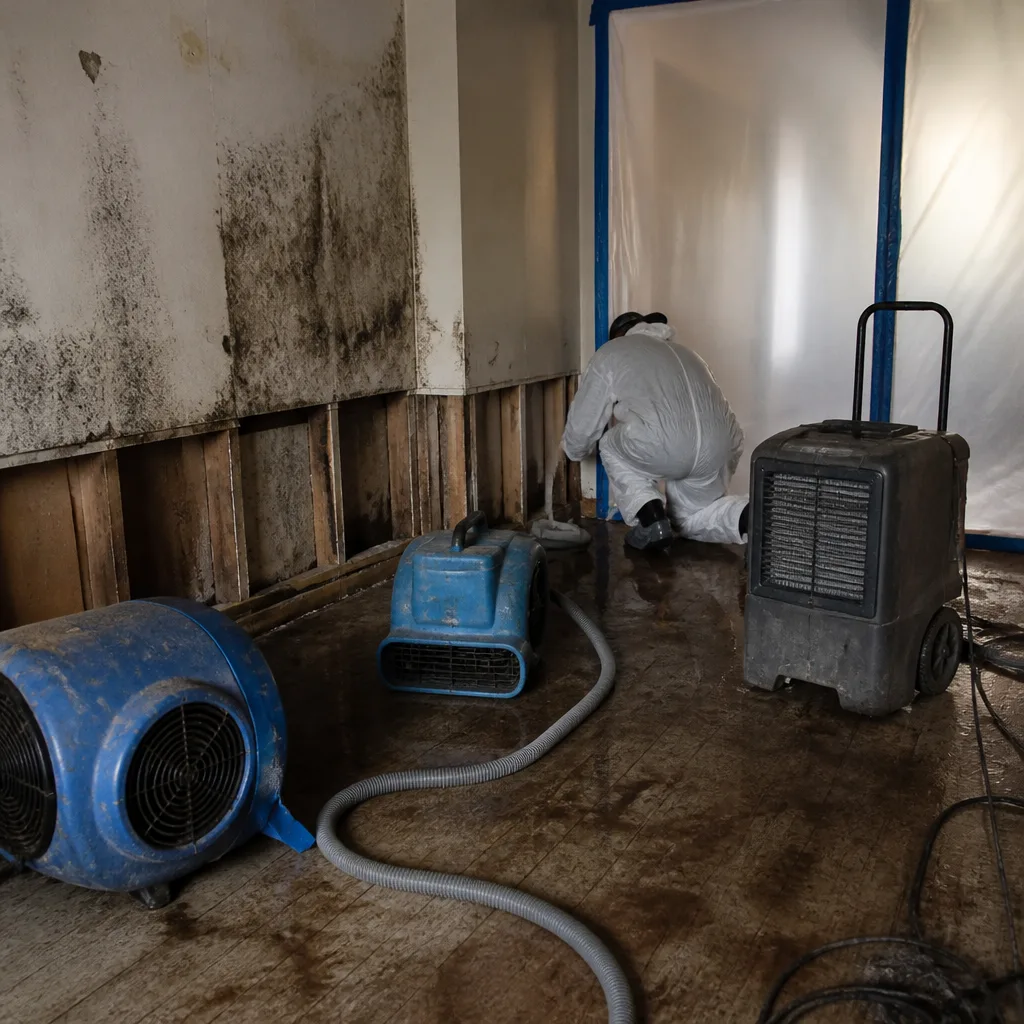 Before
 After
After Before
 After
After Before
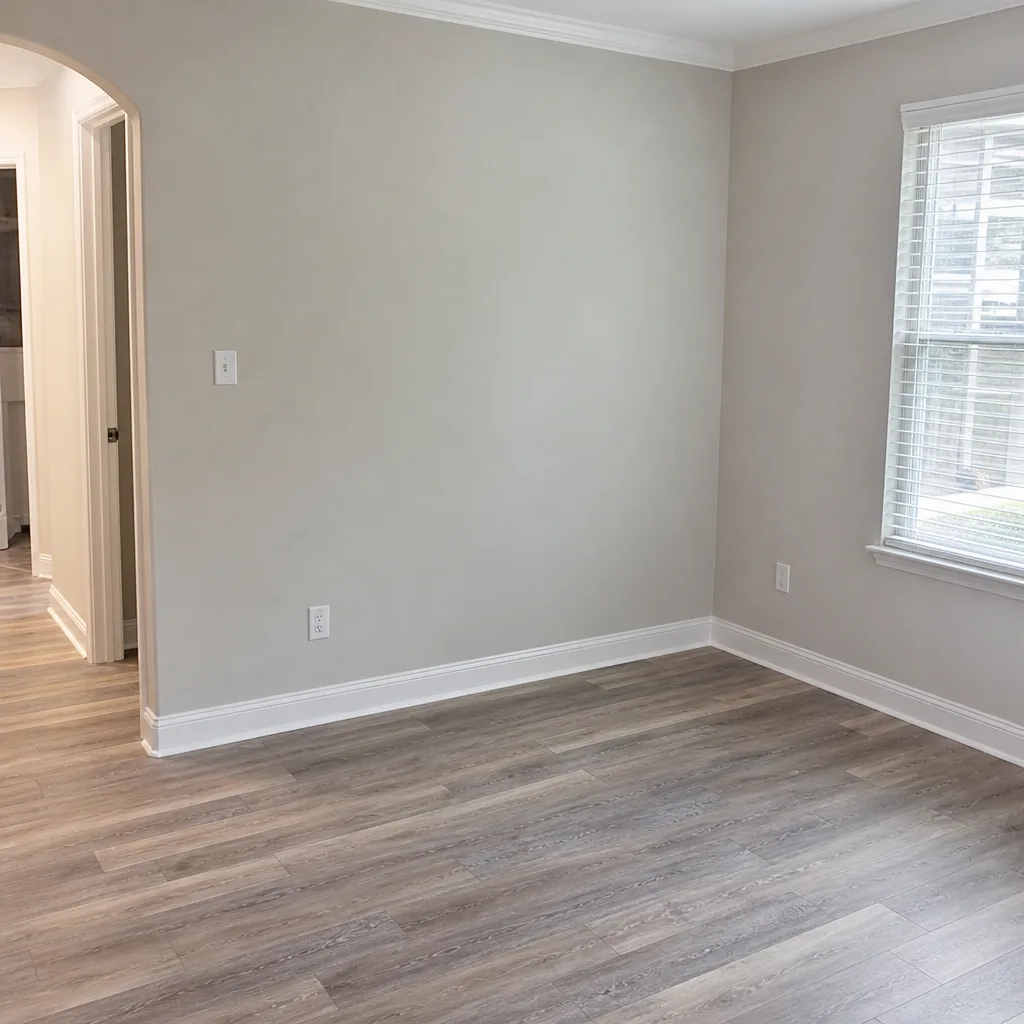 After
After