
 Water damage drying
 Fire & smoke cleanup
 Mold remediation
 Storm response
 Sewage cleanup
 Reconstruction
Free visual inspection and a written scope of work before any mitigation begins - photos, moisture readings, and drying logs go in your claim file
The scope we write is the scope we bill. Anything new gets shown to you, in writing, before we touch it.
Get your free estimateFast, Reliable Water Damage Restoration Across Fort Worth
Water damage restoration in Fort Worth typically runs $1,800 – $5,200 for a standard single-room extraction and dry-out, with whole-home flood jobs landing between $6,000 and $15,000 depending on the water class and how far it traveled through your slab or pier-and-beam framing. We dispatch crews into every corner of the city, from Ryan Place to Saginaw’s subdivisions east of 820. When a supply line lets go at 2 a.m. or a cast-iron waste line backs up into the slab, you need someone who answers the phone and gets a truck rolling. Call (682) 900-2821 and you’ll speak to a live person, not a phone tree.
Why Keegan Restoration Fort Worth Is Fort Worth’s Preferred Water Damage Restoration Company
We run every job to The Garrison Standard: written price before any work starts, background-checked and uniformed technicians on-site, and a written 365-Day Done Right Promise on every repair. Homeowners in Fort Worth have dealt with enough door-price changes and no-show contractors. That doesn’t happen with us. Shane Pruitt, who leads our Fort Worth crews, has built a reputation for walking homeowners through psychometrics and drying logs in plain language, then handing them a scope of loss that their insurance adjuster can actually use.
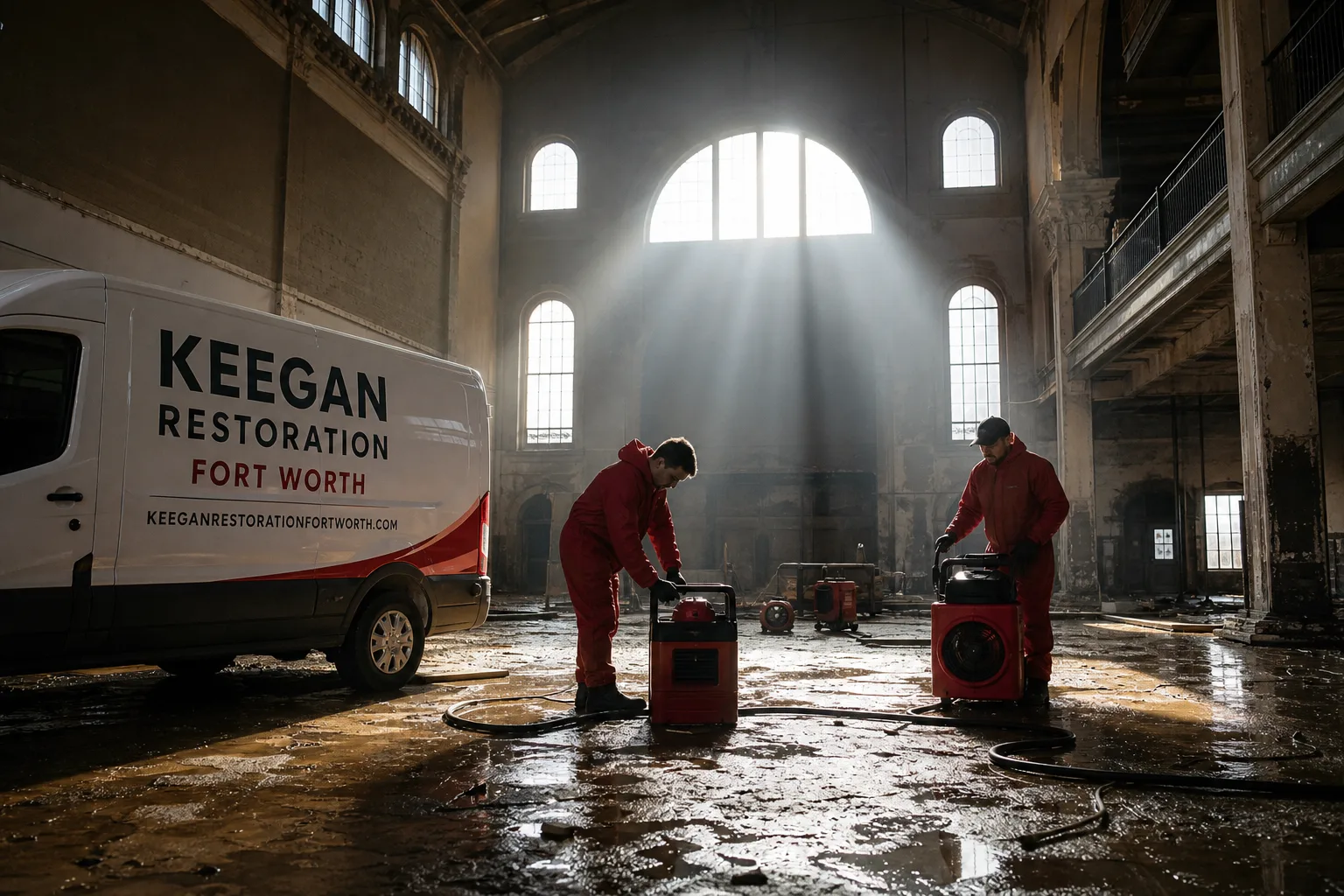
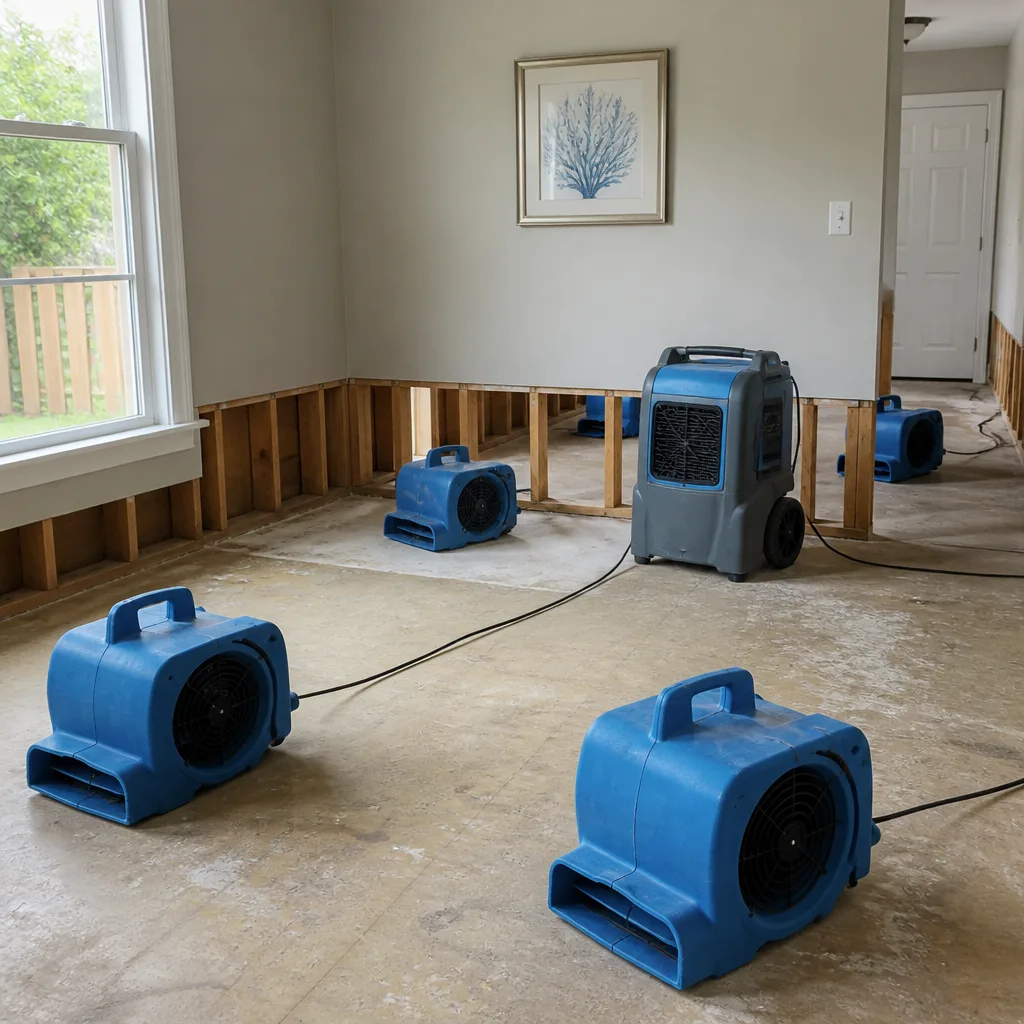
Our technicians carry Dri-Eaz and Phoenix extraction units, Injectidry drying systems for hard-to-reach cavities, and B-Air air movers selected for Fort Worth’s slab-on-grade and pier-and-beam housing mix. We document every job with moisture mapping and photo logs formatted to support your claim. That matters when you’re standing in a wet living room at 11 p.m. and need someone who shows up inside the window they gave you.
We’re part of the Water Damage Restoration team at the Garrison Partners family, which has operated since 2005. This location is independently owned and operated, with dispatch coordinated from our Dallas-Fort Worth metro office, so Fort Worth homeowners get local crews without corporate-chain runaround.
Restoration work we handle
Emergency Water Removal in Fort Worth
Emergency Water Removal in Fort Worth is the first move when water is actively pooling or spreading, and the clock matters more than most homeowners realize. Category 1 clean water turns to Category 2 gray water within 48 hours if it sits. A burst supply line behind a Wedgwood kitchen wall can saturate drywall, wick under vinyl plank, and reach the slab within a few hours. Here’s what the job involves and what it costs in this market.
Extraction and Containment First
We pull standing water with truck-mounted extraction units and portable extractors for tight spaces. On a typical Fort Worth slab home with 400 – 800 square feet of affected flooring, extraction and initial containment run $1,200 – $2,800. We set up plastic containment and negative air pressure where needed so moisture doesn’t migrate into unaffected rooms.
Stabilization Before the Drying Plan
Once the standing water is gone, we map moisture through the walls and slab. The goal is to stabilize the structure fast enough to avoid a pack-out. That stabilization phase, including equipment placement and initial dehumidification, typically adds $800 – $1,500 depending on the size of the footprint.
Flood Damage Restoration in Fort Worth
Flood Damage Restoration in Fort Worth means handling water that came from outside your plumbing, and in this city that usually means stormwater, foundation seepage, or a city-line backup. Fort Worth’s spring storms bring fast downpours that overwhelm drainage in older neighborhoods, and the clay-heavy soils on the east and north sides push water against slab edges. Here’s how we sequence the work and what it costs.
Storm and Seepage Water
Floodwater is treated as Category 3 if it entered from outside or carries sewage. That changes the protocol: more demolition, more aggressive drying, more disposal. A storm-related flood in a Fort Worth slab home with carpet, pad, and lower wall saturation typically runs $4,500 – $9,000 for mitigation and repair-ready drying.
After the Water Stops Rising
Once the source is controlled, we mark cuts, pull saturated materials, and set a drying plan based on the class of water and the building assembly. Coordination matters in Fort Worth, especially on east-side homes with original cast-iron lines, where the flood is often a symptom of a broken drain under the slab, not just a weather event.
Trusted Brands We Service in Fort Worth
Our equipment trailer carries units from Dri-Eaz, Phoenix, XPOWER, B-Air, and Injectidry specifically because Fort Worth’s housing stock demands both high-capacity extraction and precision cavity drying. We stock common local parts for Fort Worth homes from the Fairmount pier-and-beam bungalows to the slab-on-grade tract homes off North Beach Street. We also operate to IICRC, RIA, and IFA standards, and we document every drying log so your insurance adjuster sees the full picture.
Common Water Damage Restoration Problems We See in Fort Worth Homes
- Slab-on-grade foundation cracks on the east and north sides. The clay soil under Fort Worth expands when wet and contracts hard in summer drought. That cycle cracks slabs and lets water come up through flooring. If there’s also a cast-iron drain line running under the slab, the water usually carries sewage.
- Pier-and-beam crawlspace re-wetting in Fairmount and the Near Southside. Dry summers settle the piers and shift the framing. A standard drying job without checking for active pier movement ends with a call-back when the floor cups again.
- Floodwater mixing with broken cast-iron lines in 1960s-era homes. In neighborhoods like Meadowbrook and Handley, heavy rain can back up storm drains, and the water brings what was already leaking from a cracked waste line into the equation. That’s a Category 3 situation, not a clean-water extraction.
- Delayed drying in humid crawlspaces under older bungalows. Fort Worth’s summer humidity, combined with poor ventilation in 80-to-100-year-old crawlspaces, means a pier-and-beam space can hold 70%+ RH for weeks. Without controlled airflow and desiccant or LGR dehumidification, mold timing becomes a real threat.
See the difference
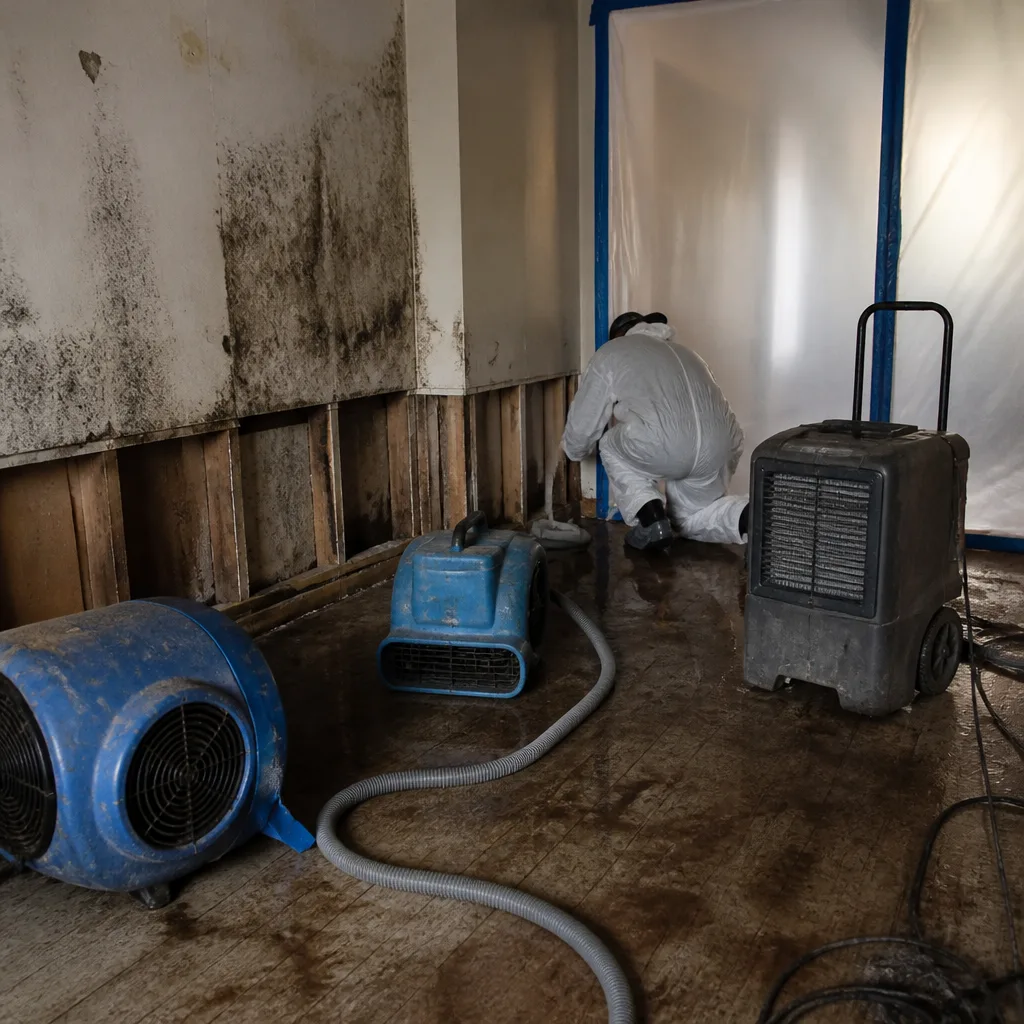 Before
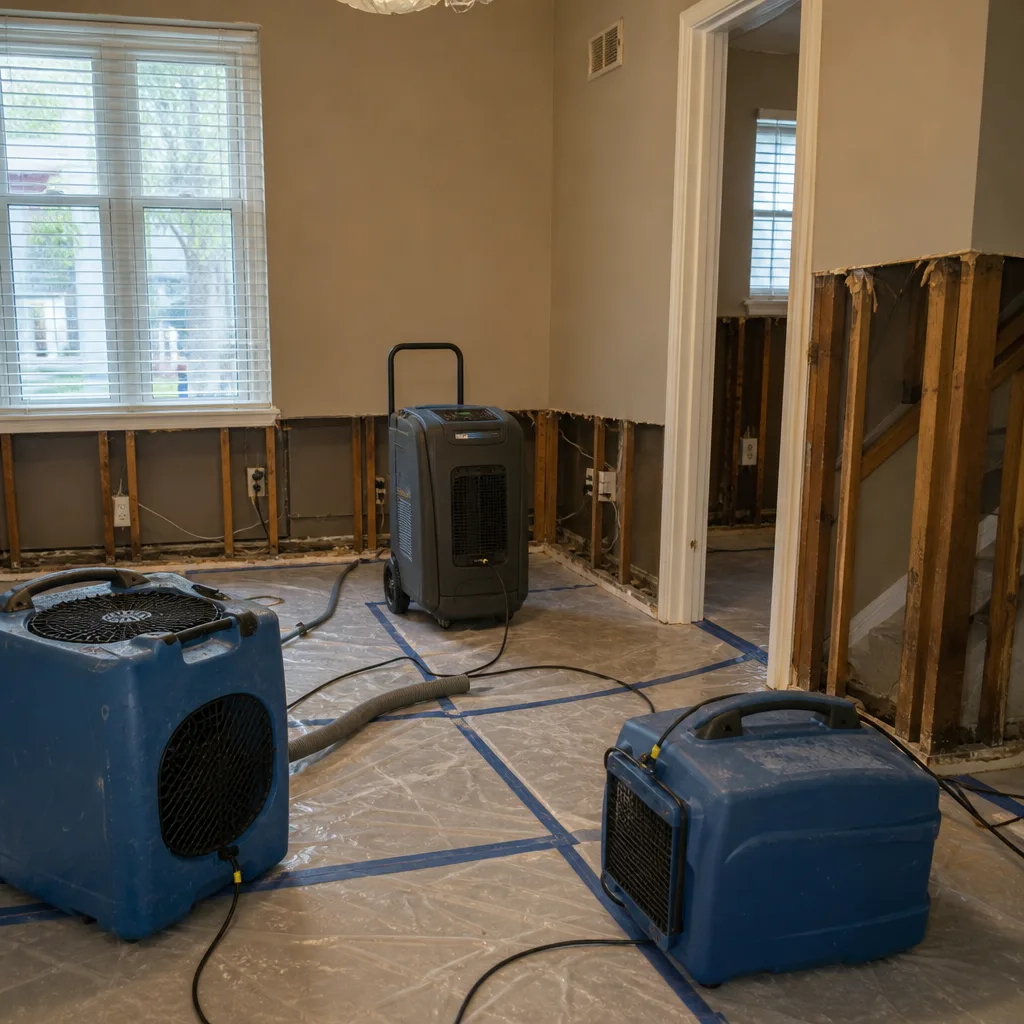 After
After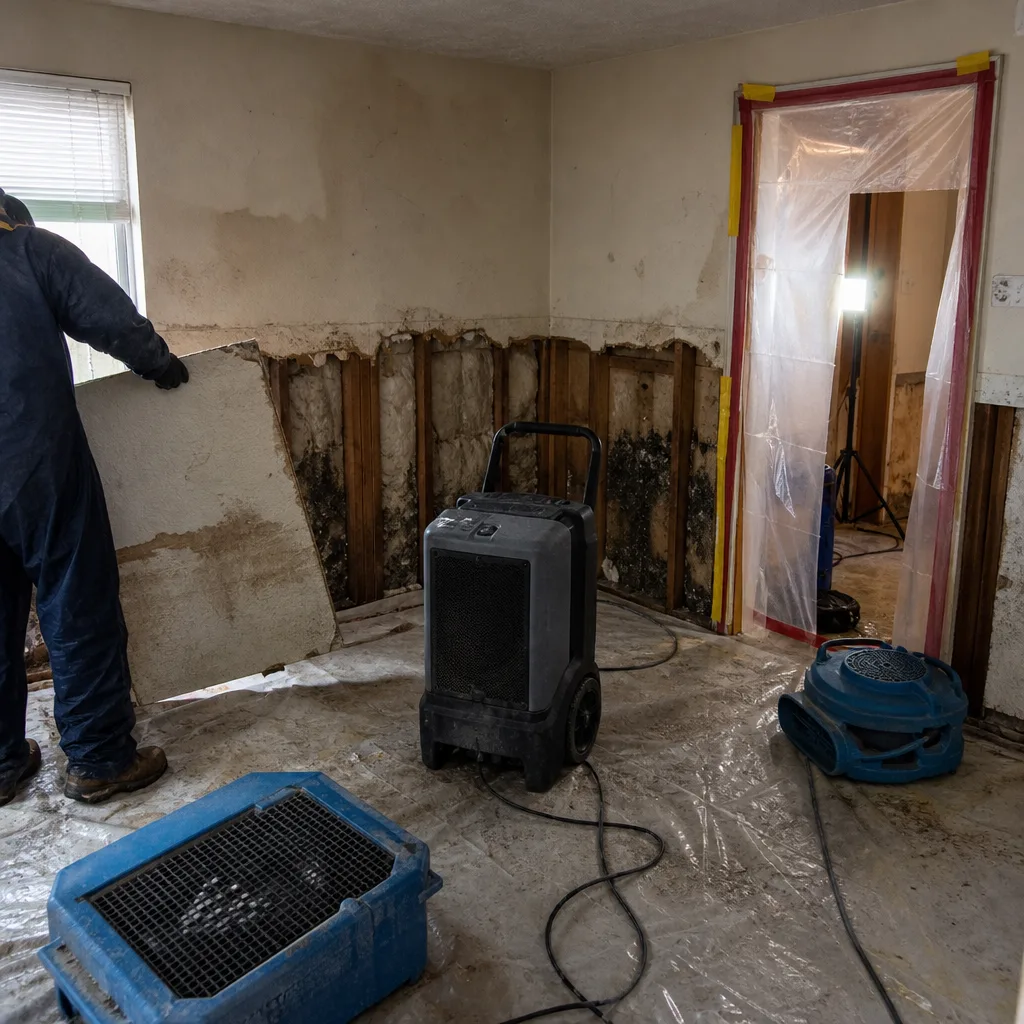 Before
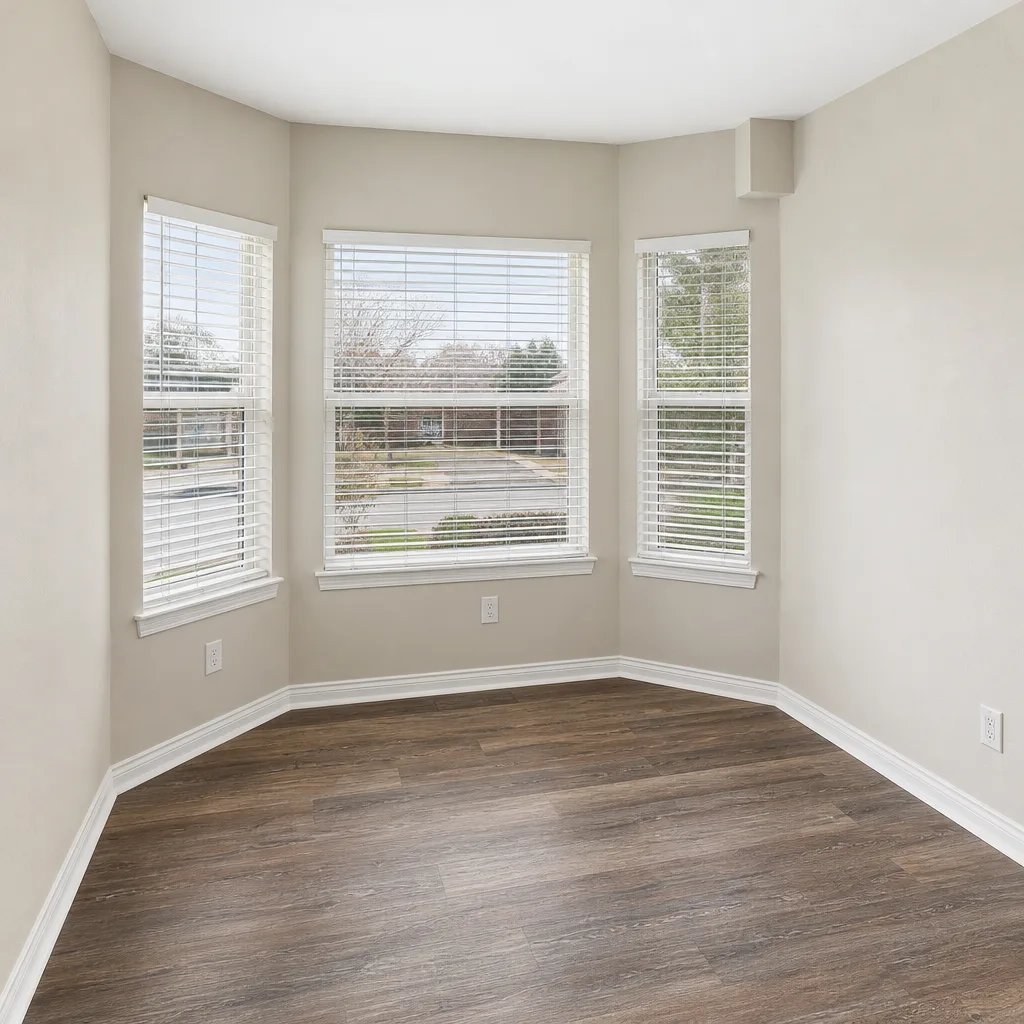 After
After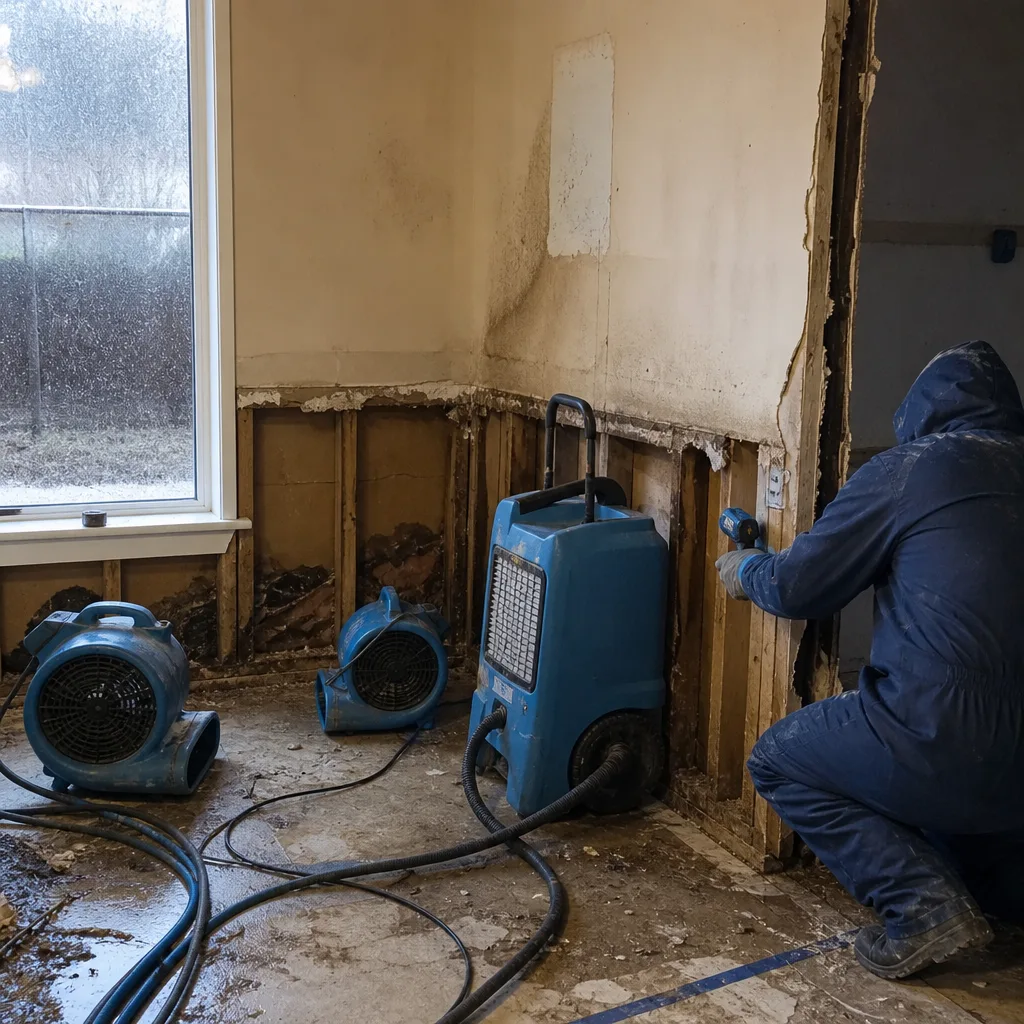 Before
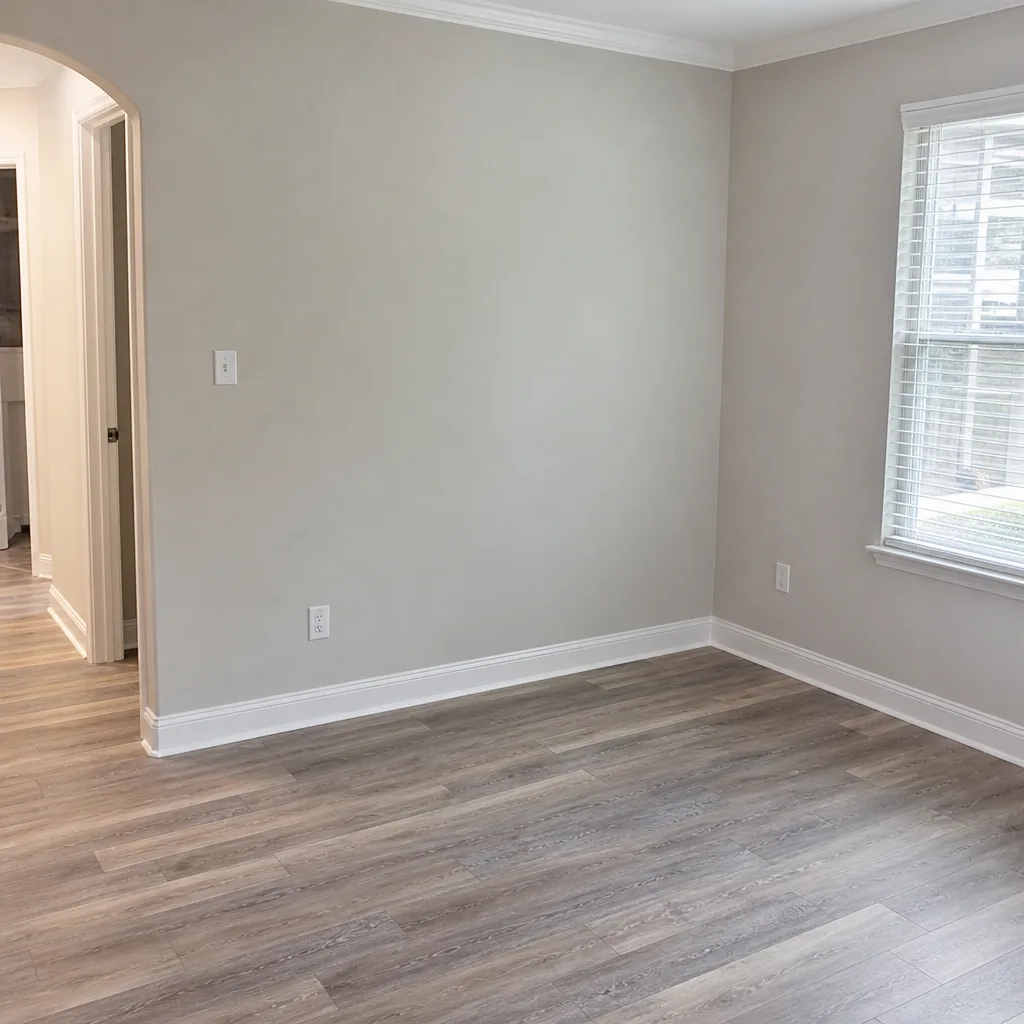 After
AfterPricing for Water Damage Restoration in Fort Worth, TX
Here are actual Fort Worth market ranges we quote from. Emergency water extraction for a single room typically runs $1,800 – $3,400. Structural drying with equipment placement and monitoring runs $1,200 – $3,800 depending on the number of rooms and whether we’re drying in-slab cavities or a crawlspace. Flood cleanup and sewage mitigation runs $4,500 – $9,000 for a typical 1,000-square-foot affected area. Burst pipe restoration, including drywall cuts, extraction, drying, and repair-ready scope, runs $3,000 – $7,500. Ceiling and roof leak water damage runs $1,500 – $4,200. Every quote at Keegan Restoration Fort Worth is a written scope of loss with a fixed price, delivered before we touch a single wet stud. Call (682) 900-2821 for a free estimate.
We Also Serve Cities Near Fort Worth
Beyond Fort Worth, our crews run regularly into Haltom City, Bedford, Keller, and Euless. If you’re in one of those communities and dealing with water rising through a slab or spreading through a crawlspace, call the same number. We route the nearest available crew with the right drying equipment for the soil and slab conditions in this part of the metro.
Serving Fort Worth, TX - Our Local Coverage Area
We’re based in the Fort Worth area and know this community well. Use the map below to see our service coverage - if you’re nearby, we can almost certainly help.
FAQs About Water Damage Restoration in Fort Worth
Fort Worth’s expansive clay soil swells when wet and shrinks hard during droughts, which cracks slab foundations and lets groundwater seep into flooring. That means a water damage restoration job on a slab home here isn’t just extraction and drying. It often requires checking for active clay movement under the slab before you finish, or the water returns as the clay expands and contracts again. We sequence our work to account for that, drying the slab and monitoring sub-slab moisture levels with penetrating probes rather than just relying on surface readings.
Yes, in-slab sewer repair in Fort Worth typically requires a plumbing permit from the city, especially when tunneling is involved to access cast-iron drain lines under a slab. If you skip the permit and the work gets red-tagged, the restoration stops and the water damage spreads. We coordinate with tunneling specialists who pull permits on the east side, and we hold the drying scope until the inspection clears, so you’re not paying twice for the same repair. Call (682) 900-2821 and we’ll walk you through the sequence before anyone breaks concrete.
Fairmount bungalows sit on pier-and-beam foundations with open or poorly sealed crawlspaces, and those spaces respond to Fort Worth’s summer clay shrinkage differently than a poured slab. The piers settle slightly as the clay dries, shifting the framing and changing how the floor absorbs moisture. A drying setup that works under one house won’t work under the other. We use desiccant and LGR dehumidifiers in Fairmount crawlspaces, with air movement directed along the beam lines, not just across the open floor, and we check for pier settlement before we pull equipment.
Heavy rain on Fort Worth’s east side saturates the clay around old cast-iron drain lines, and the shifting soil can crack or separate joints that have been corroding for 60 years. When that happens, stormwater and sewage mix in the slab cavity and push up through the foundation or the floor drains. Restoration has to begin with containment and Category 3 extraction, but the plumbing repair comes before any structural drying. We’ve built working relationships with the east-side tunneling crews who handle this specific problem in Meadowbrook, Handley, and East Fort Worth. If you’re seeing water or sewage backup after a storm, call (682) 900-2821 for an assessment.
Often yes, if the water hasn’t been sitting long and you get extraction started within the first 24 to 48 hours. Original hardwood in Fairmount and the Near Southside bungalows can cup or crown when wet, but a controlled drying setup with floor mats, air movement, and careful humidity control can pull moisture out of the wood cells and let the boards settle back. We’ve saved floors that other crews wanted to rip out. The key is getting a drying plan written before the wood fibers fully saturate. Call (682) 900-2821 and we’ll assess the floor before you agree to anything.
The Fort Worth Reality Check: Slabs, Clay, and Cast Iron
Fort Worth’s rapid suburban expansion into clay-heavy soils means restoration work here is as much about foundation shifts and water intrusion into slab-on-grade homes as it is about the immediate damage from storms, bursts, or fires. A simple water extraction can turn into a sequenced restoration project when the clay under a slab starts moving, or when old cast-iron plumbing fails beneath the foundation. This is the slab-and-clay reality check most generic restoration pages never tell you. Our crews on the east side regularly see failures in original cast-iron lines that send Category 3 sewage backups into slab foundations, a repair that requires coordinating with city tunneling permits and local trenchless specialists before structural drying can begin.
In the Fairmount neighborhood, our crew responded to a burst cast-iron waste line under a pier-and-beam bungalow where recent clay shrinkage had shifted the piers. We set up containment, extracted the Category 2 water with our truck-mounted unit, then stabilized the crawlspace with air movers and dehumidifiers until the tunneling crew could reroute the drain under a Fort Worth plumbing permit. Moisture mapping showed dry framing within 72 hours, avoiding a full pack-out. That’s the difference between a restoration company that knows Fort Worth and one that reads from a generic script.
Treating water intrusion from slab-on-grade foundation cracks as a simple drying job without checking for active clay movement or broken cast-iron lines underneath is how re-wetting happens. Applying standard structural drying protocols to pier-and-beam crawlspaces without accounting for Fort Worth’s summer drought-induced pier settlement leads to floors cupping again after the equipment is gone. And overlooking city permit requirements for in-slab sewer repairs on the east side causes delays and re-contamination when unpermitted tunneling gets red-tagged. These are the failure modes we see from other contractors in this market, and they’re exactly why we run every job to a written standard.
Contact Keegan Restoration Fort Worth
If water is spreading through your Fort Worth home, call (682) 900-2821 now. A live person answers 24/7, and we’ll dispatch a background-checked, uniformed crew that arrives inside the window you’re given. Every job begins with a written scope of loss and a fixed price. Every repair is backed by the 365-Day Done Right Promise in writing, with a free return visit if the work fails. You’ll speak to Shane Pruitt and a team that runs to The Garrison Standard. Water Damage Restoration in Fort Worth done right, with everything documented for your insurance claim.
Written by Shane Pruitt, Owner at Keegan Restoration Fort Worth.