
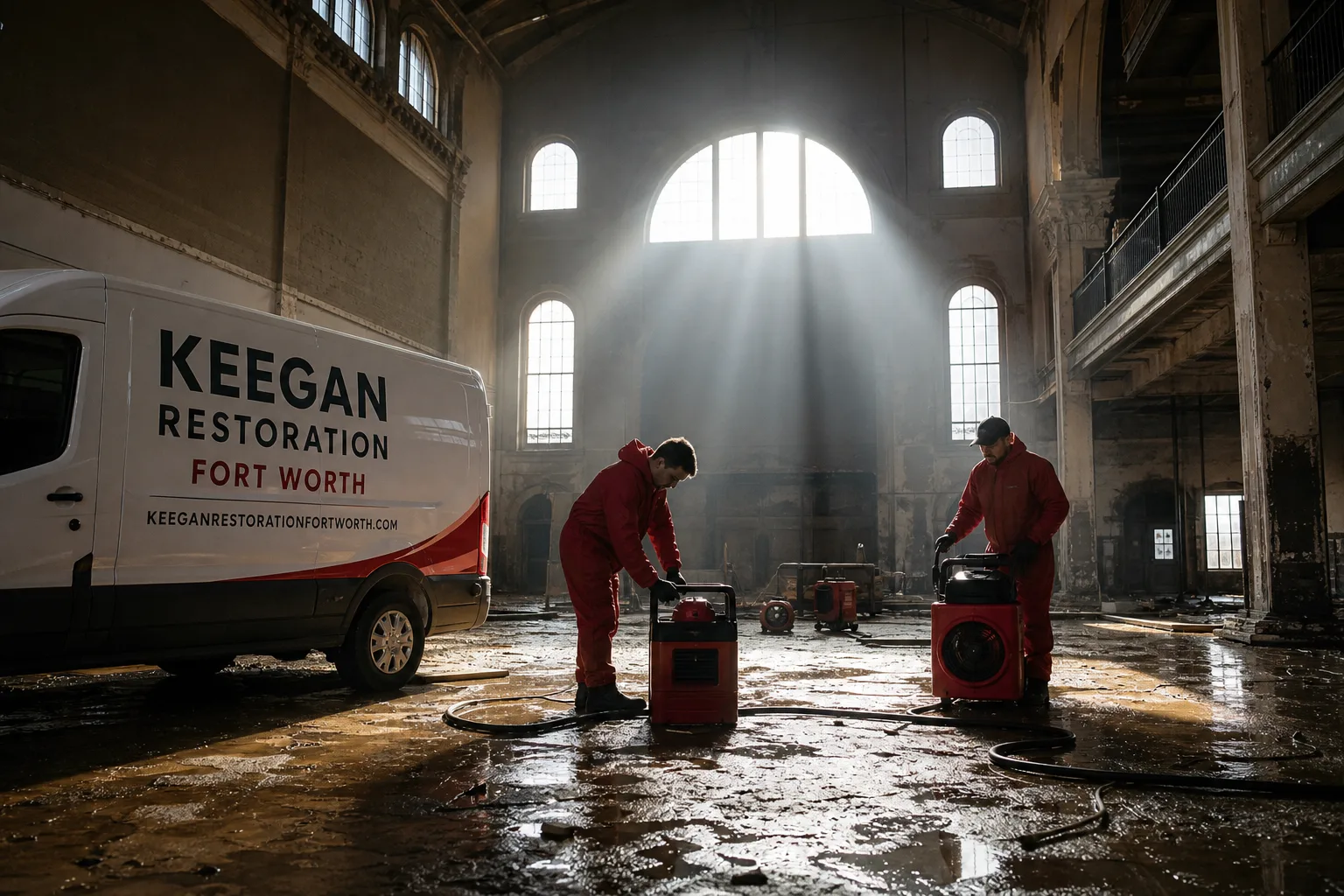
 Sewage cleanup
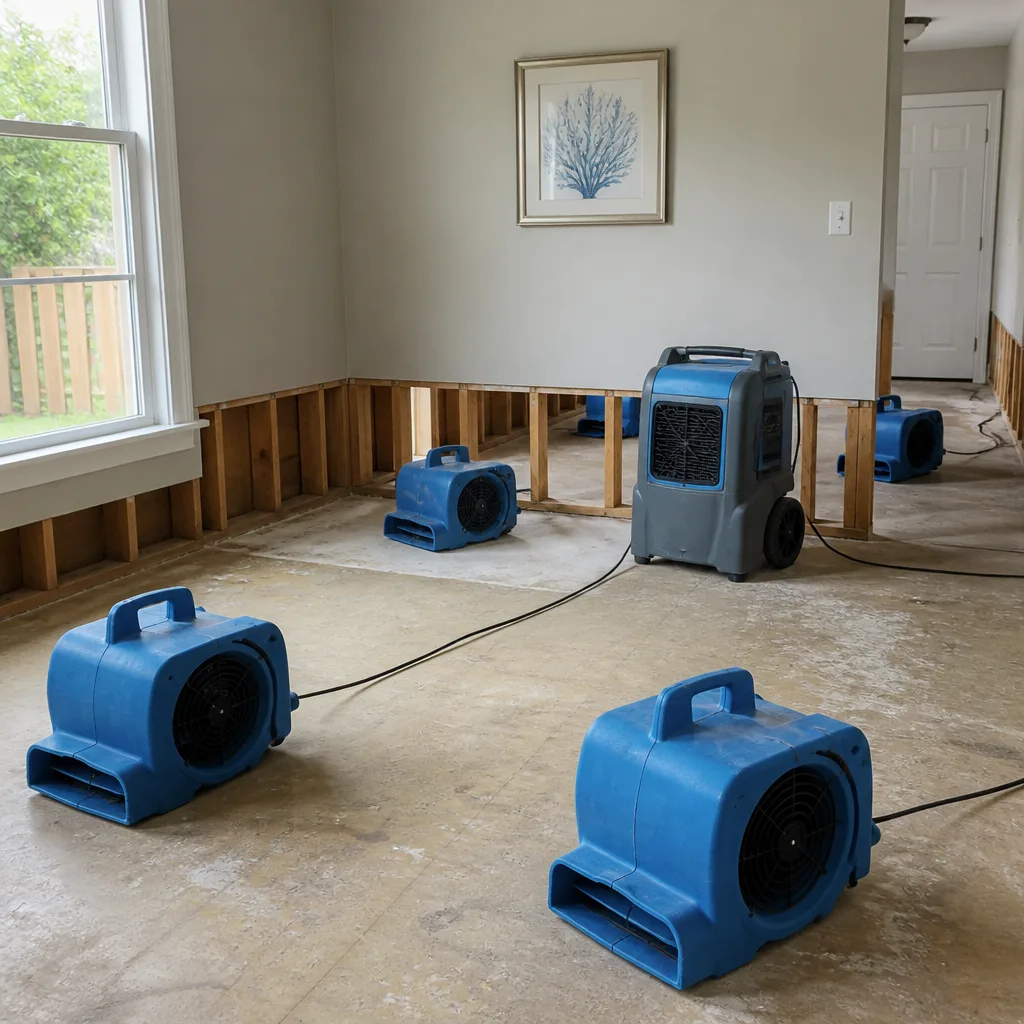 Water damage drying
 Fire & smoke cleanup
 Mold remediation
 Storm response
 Reconstruction
Free visual inspection and a written scope of work before any mitigation begins - photos, moisture readings, and drying logs go in your claim file
The scope we write is the scope we bill. Anything new gets shown to you, in writing, before we touch it.
Get your free estimateRestoration work we handle
See the difference
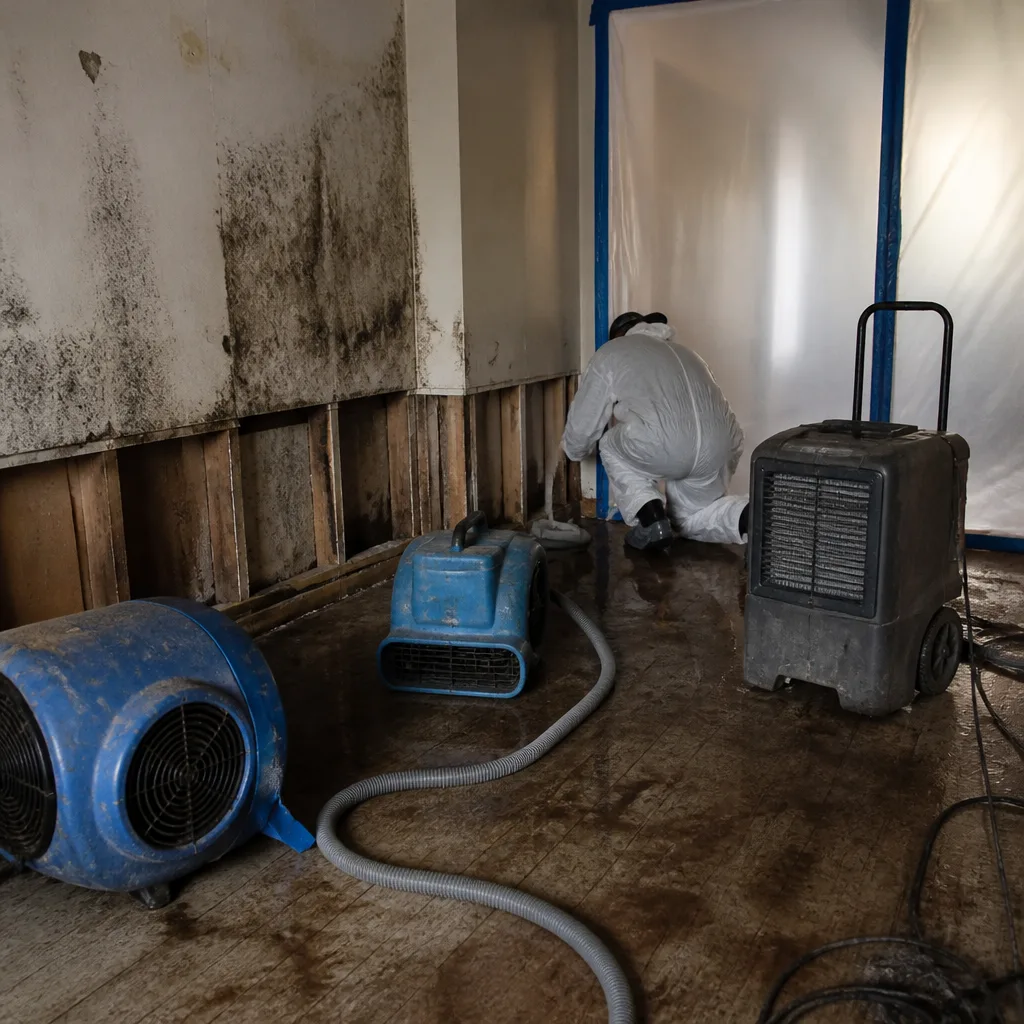 Before
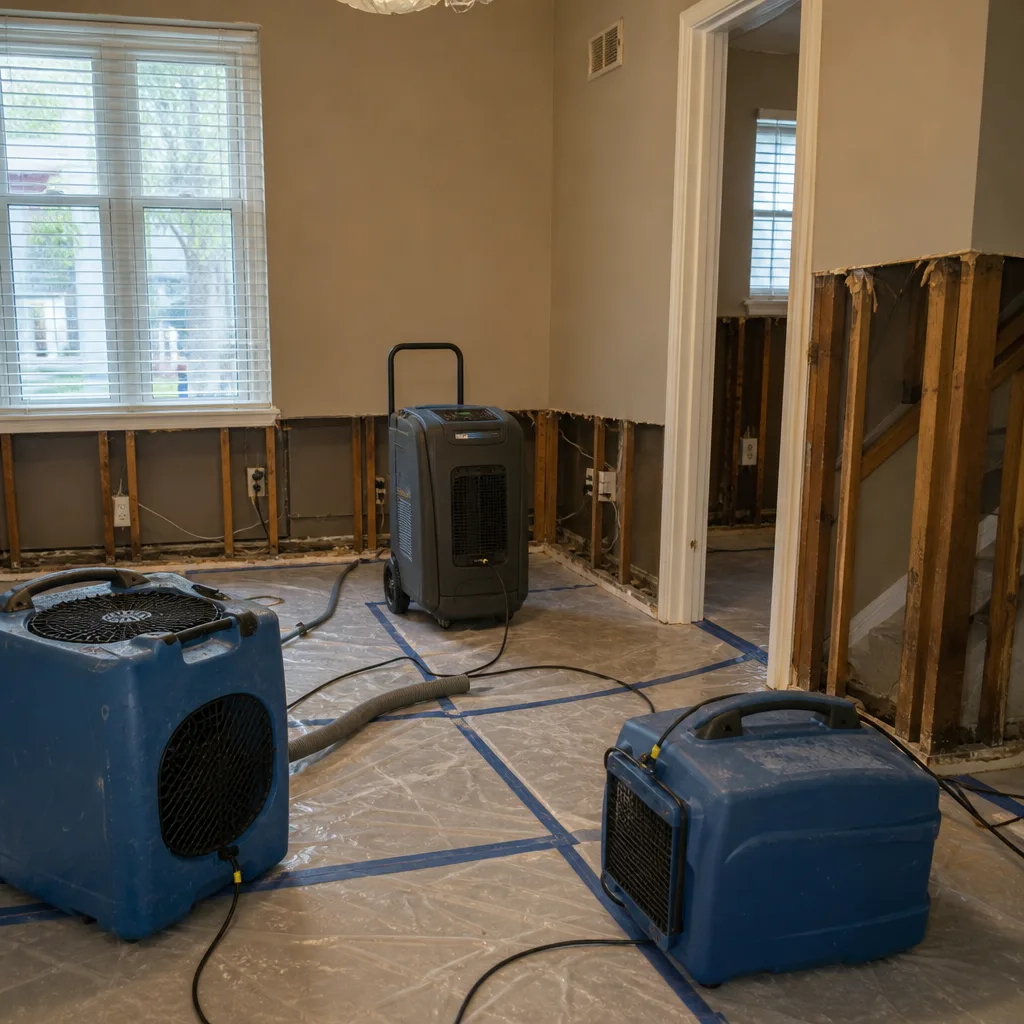 After
After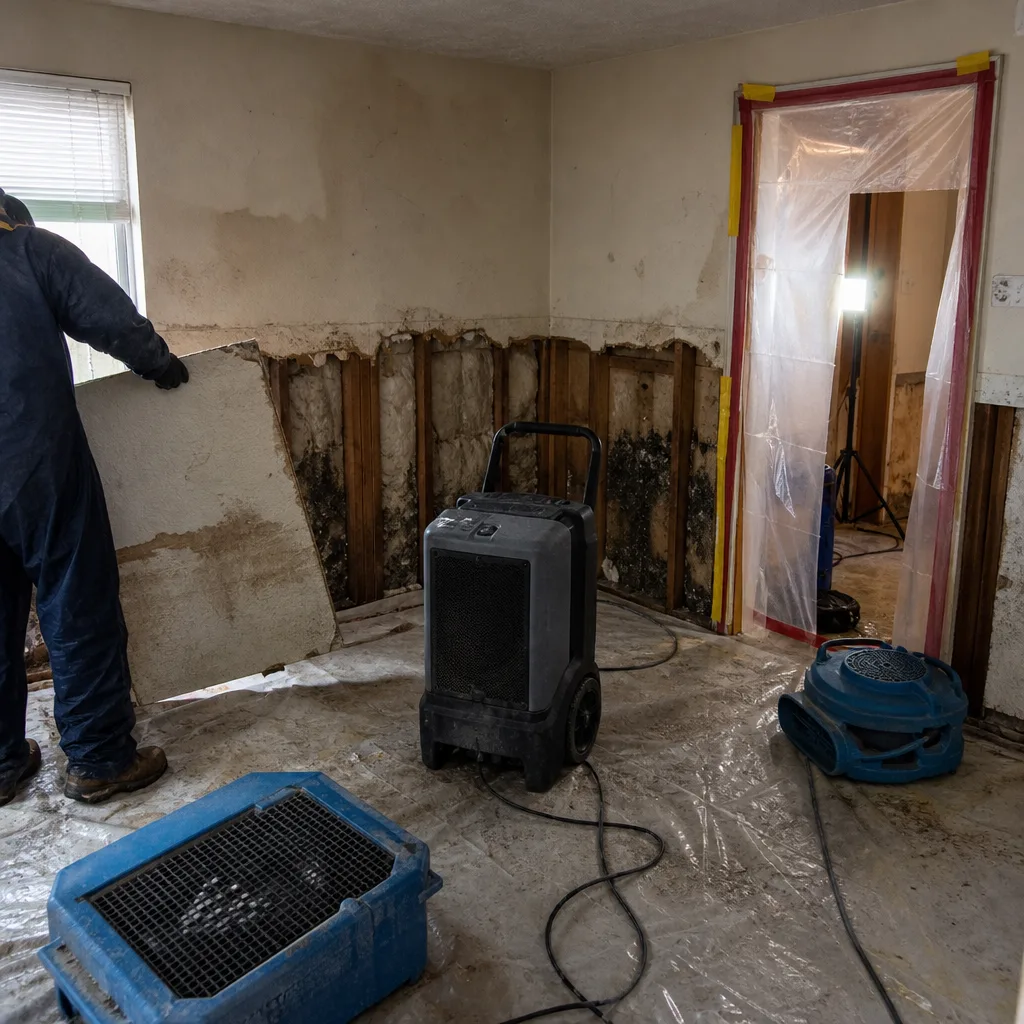 Before
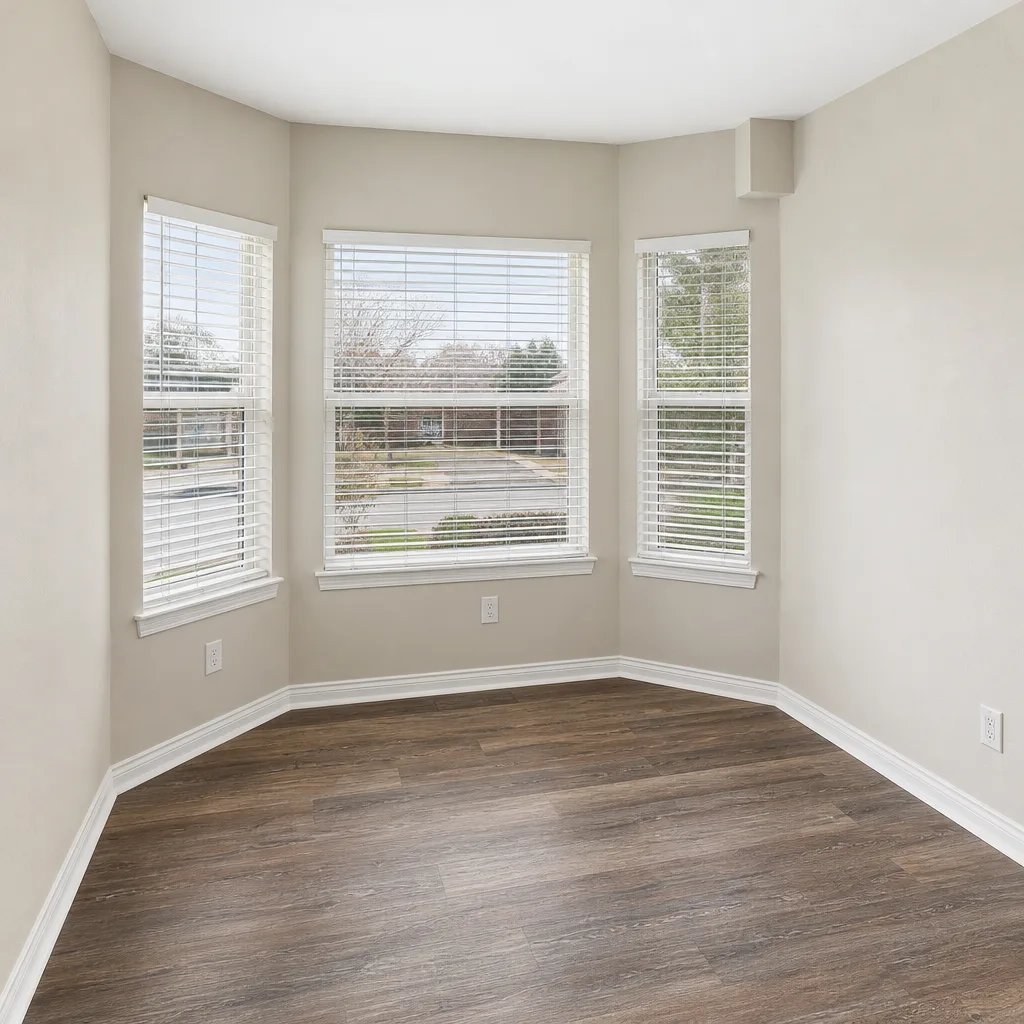 After
After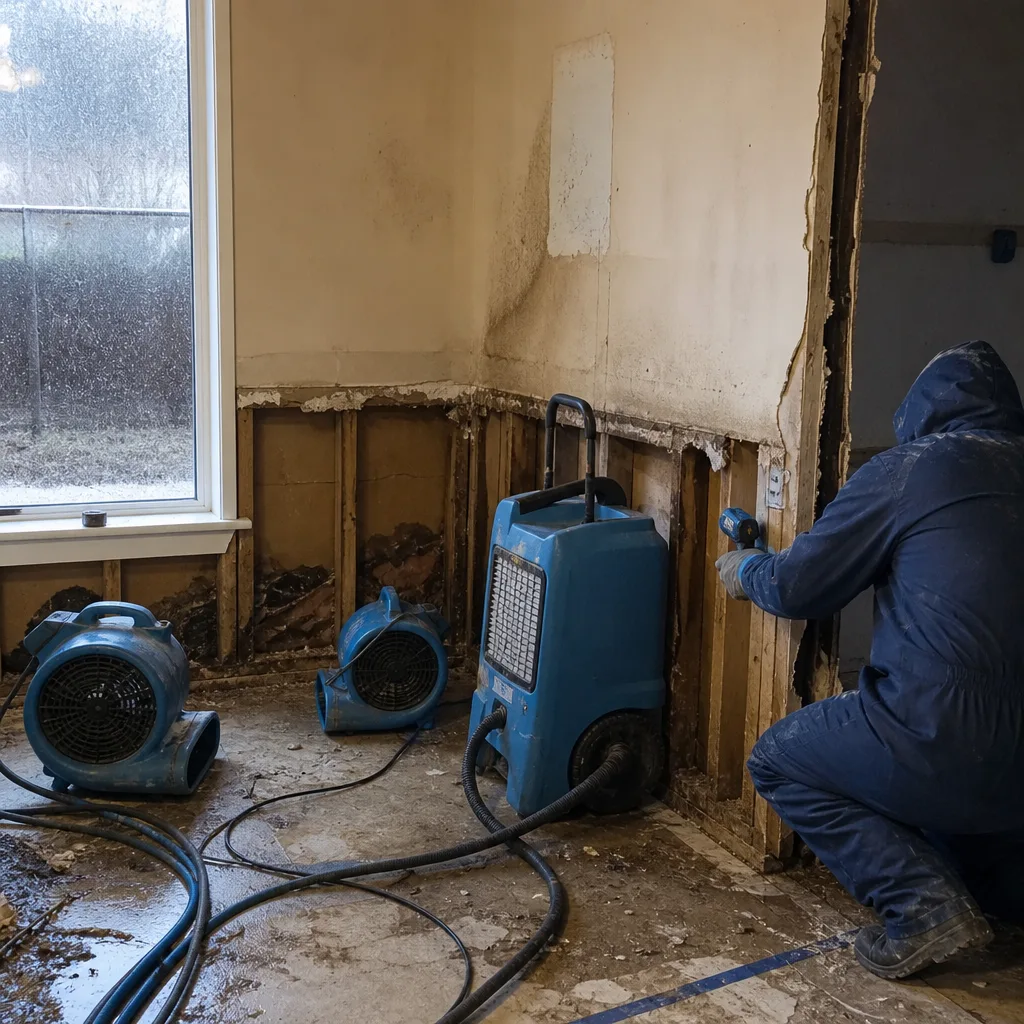 Before
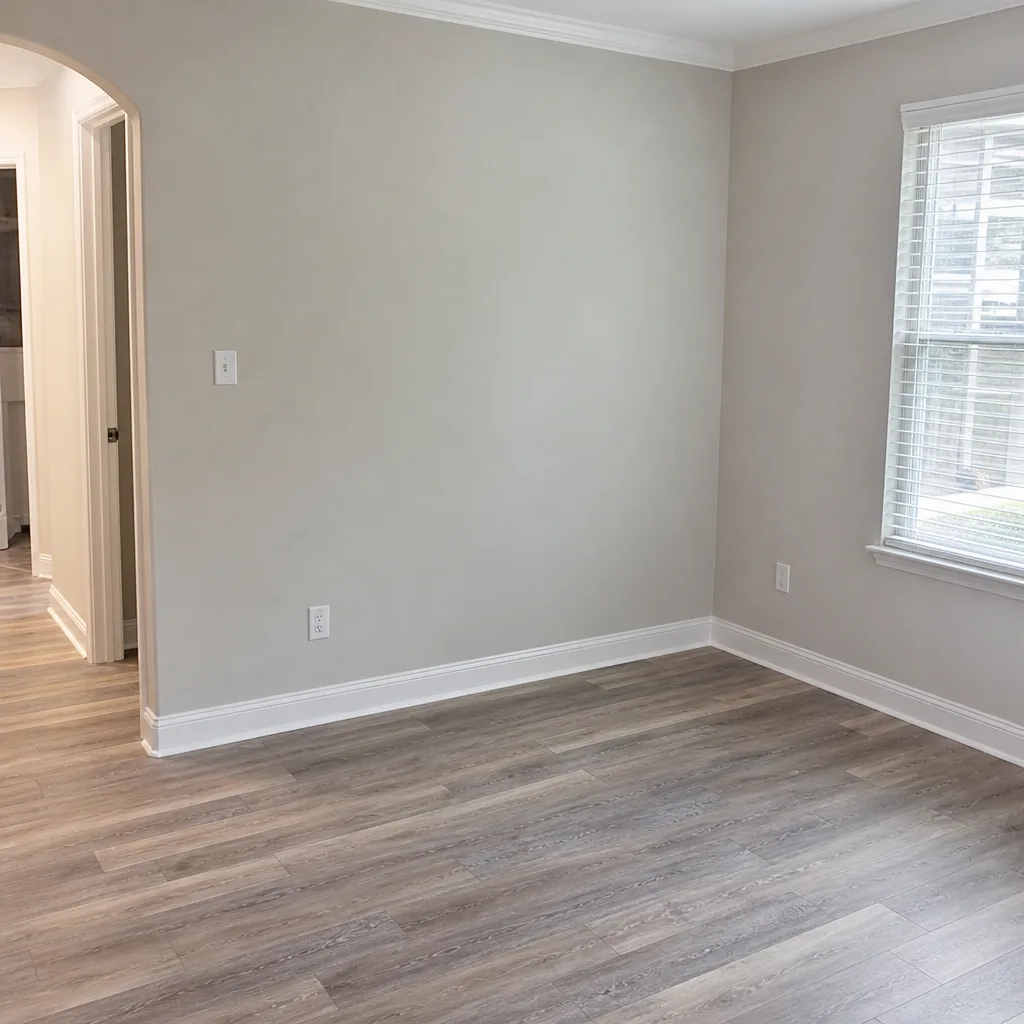 After
AfterHow Much Does Sewage Cleanup Cost in Fort Worth?
Sewage cleanup in Fort Worth typically costs between $2,800 and $7,500 for a standard residential backup affecting one or two rooms. Most homeowners in Tarrant County pay around $4,200 for a Category 3 water loss that requires extraction, antimicrobial treatment, and structural drying. The final number depends on square footage, how long the sewage sat, and whether porous materials like carpet and drywall need full removal.
These numbers reflect what we’re seeing on real jobs across Fort Worth in 2026, from Wedgwood to Saginaw. If you’re standing in an inch of backed-up water right now, the most useful thing you can do is call (682) 900-2821. A live person answers, and we’ll give you honest guidance before anything gets signed.
Sewage Cleanup Cost Breakdown (2026)
Here’s the line-item reality of a sewage loss in Fort Worth. We put every one of these numbers in writing before work starts, so you know exactly what you’re approving. No moving the price at the door.
| Service Line Item | Typical Fort Worth Range | What It Includes |
|---|---|---|
| Emergency extraction & water removal | $350 – $800 | Removing standing sewage water, hauling it off-site, setting containment |
| Contaminated material removal | $1,200 – $3,500 | Cutting and disposing of soaked drywall, carpet, pad, and baseboards |
| Antimicrobial & sanitization treatment | $400 – $1,200 | Applying EPA-registered disinfectants to all affected surfaces and framing |
| Structural drying | $600 – $1,800 | Professional-grade air movers and desiccant dehumidifiers running 3-5 days |
| Odor removal & air scrubbing | $250 – $700 | HEPA filtration and hydroxyl or ozone treatment (we use proven equipment only) |
| Repairs & reconstruction | $1,000 – $6,000+ | Rehanging drywall, painting, trim, and flooring replacement as needed |
Small jobs with early intervention can land near the bottom of that range. A toilet overflow caught within a few hours might run $1,800 to $2,500 all-in. A sewer line break that floods a finished basement in Westcliff and sat overnight can push past $8,000 once reconstruction starts. The gap is mostly square footage and time. Sewage that soaks into concrete or travels under tile means more demolition, more drying, more money.
Fort Worth’s clay-heavy soil also plays a role. Older homes in the Fairmount and Ryan Place historic districts sit on shifting ground that puts stress on cast-iron sewer lines, and when those crack, the cleanup scope expands fast. We document every part of the job so your insurance claim has what it needs the first time.
What Affects Sewage Cleanup Pricing in Fort Worth
- Category of water. Sewage backup is Category 3, the most hazardous classification in the trade. That means full PPE, specialized disposal, and antimicrobial protocols, all of which add cost compared to a clean-water leak from a supply line.
- How long the water sat. If you catch a toilet overflow in Benbrook within an hour, we’re mostly extracting and sanitizing. If it ran all night and wicked into drywall, we’re cutting out walls and floors. Time is the single biggest cost multiplier.
- Materials affected. Carpet and pad are almost always removed in sewage losses. Vinyl plank on concrete can sometimes be saved. Tile over a slab in a Keller home may survive if we get to it fast. Each material has its own salvage threshold.
- Affected square footage and layout. A half-bath involved in a backup is a contained job. Sewage traveling from a slab leak into three rooms down a hallway means containment barriers, negative air pressure, and multiple drying zones. The scope of loss drives the estimate.
- Access, crawlspaces, and slab leaks. Fort Worth has thousands of pier-and-beam homes, especially in Arlington Heights and the older corridors off Camp Bowie. Sewage under a pier-and-beam house means working in a crawlspace, hauling contaminated insulation, and sealing the subfloor. That labor is real and it’s on the invoice.
- Reconstruction needs. Extraction and drying are only half the job. Drywall repair, texture matching, paint, trim, and flooring replacement all get bid separately. The age of your home matters, matching texture and trim in a 1920s bungalow costs more than a 2015 builder-grade patch.
How to Save on Sewage Cleanup
Sewage cleanup is not where you want to cut corners, but there are legitimate ways to keep the bill honest without putting your family’s health at risk.
- Call the moment you see the backup. Every hour sewage sits, the scope grows. A two-hour response in Haltom City means extraction and sanitization. A twelve-hour response means demolition. You are literally saving dollars per minute in the first few hours.
- File your insurance claim early. Most Fort Worth homeowners’ policies cover sudden sewage backup, but only if you document the loss properly. We format job photos, moisture readings, and work logs to match what adjusters expect, which means fewer delays and fewer denied line items.
- Stop flushing and draining. If you suspect a main line blockage, don’t run the washer, don’t shower, don’t flush. Each additional flush sends more contaminated water into the house and expands the affected area.
- Get a written scope before approving anything. The Garrison Standard means the price is in writing before any work begins. That’s not a sales line, it’s how we run every job. You shouldn’t approve a sewage loss on a verbal number from anyone.
- Ask about what gets restored vs. replaced. Solid wood doors, tile on slab, and some hard-surface flooring can be cleaned and saved if the water didn’t sit. Knowing where salvage is possible keeps the reconstruction budget down. We’ll tell you straight what we can save and what we won’t put back in your house.
We offer free estimates on sewage cleanup across Fort Worth. Call (682) 900-2821 and a live person will walk you through what to expect before a technician ever rolls a truck.
How the Sewage Cleanup Process Works
Here’s the sequence we run on every Sewage Cleanup in Fort Worth job, step by step. You’ll know what’s happening before it happens, and everything goes in writing.
Step 1: Emergency Contact and Assessment
You call, a live person answers, we ask about the source, the rooms affected, and whether water is still flowing. We dispatch background-checked, uniformed technicians from our Fort Worth location. On arrival, they walk the entire affected area and identify the source before touching anything.
Step 2: Written Scope of Loss
Before any work starts, you get a written scope and price. Not a rough number. A documented plan showing what gets extracted, what gets removed, what gets dried, and what it costs. That’s The Garrison Standard, and it never changes at the door.
Step 3: Containment and Safety Setup
We seal off the affected area with physical barriers and negative air pressure so contaminated air doesn’t spread into the rest of your home. Technicians wear full PPE. If you or anyone in the house has respiratory issues, now is the time to mention it – we’ll account for that in how we stage the work.
Step 4: Sewage Extraction
Standing sewage is removed using professional-grade extraction equipment. The contaminated water is hauled and disposed of according to Tarrant County waste regulations. This is the step that stops the damage from spreading.
Step 5: Removal of Contaminated Materials
Carpet, pad, saturated drywall, baseboards, and soaked insulation come out. In wood-framed Fort Worth homes, we cut drywall above the visible water line because sewage wicks upward through gypsum. What looks like a two-foot stain often means four feet of contamination inside the wall cavity.
Step 6: Antimicrobial Treatment
All remaining structural surfaces, framing, subfloor, and concrete get treated with EPA-registered antimicrobials. This kills the bacteria sewage leaves behind and prevents the mold that would otherwise follow in Fort Worth’s warm, humid months.
Step 7: Structural Drying
This is where psychrometrics comes in. We measure humidity, temperature, and moisture content daily, then run Dri-Eaz and Phoenix desiccant dehumidifiers with XPOWER air movers until materials hit their target dryness. Drying usually runs 3-5 days on a typical sewage loss. We document readings daily so there’s no guessing, and no argument.
Step 8: Odor and Air Quality Treatment
Once materials are dry, we run HEPA air scrubbers and odor-neutralizing equipment (B-Air units are common on our jobs) until the space smells like a construction site, not a sewer line. This step gets shorted by a lot of lower-bid contractors. It matters.
Step 9: Reconstruction and Final Walkthrough
Depending on the scope, we coordinate or complete the rebuild: drywall, texture, paint, trim, flooring. You get a final walkthrough to confirm everything meets the written scope. Then you get the 365-Day Done Right Promise in writing: if any part of this work fails within a full year, we return and fix it at no charge.
This entire sequence runs to IICRC, RIA, and IFA industry standards. The equipment is the same professional-grade gear used in commercial restoration, not rental-grade fans from a hardware store.
Sewage Cleanup Cost by Home Size (Fort Worth Reference)
Square footage isn’t everything, but it sets the floor for what you’ll pay. Here’s how typical Fort Worth homes break down:
- Small bathroom or laundry room (under 150 sq ft): $1,800 – $3,200. Contained extraction, minimal drywall cut, fast drying.
- Single finished room (150-400 sq ft): $2,800 – $5,000. Carpet removal, drywall cut to one or two rooms, 3-4 days of drying.
- Multi-room or basement (400-1,000 sq ft): $4,500 – $9,000. Containment across multiple zones, larger material removal, extended drying time.
- Whole-floor or slab leak flood (1,000+ sq ft): $8,000 – $18,000+. Full build-back in contaminated areas, flooring replacement throughout, and potentially weeks of reconstruction.
These are honest ranges for the Fort Worth market in 2026. If a bid comes in dramatically under the low end, ask what they’re skipping. Sewage jobs have hard costs: disposal fees, PPE, antimicrobials, drying equipment. If someone is bidding $800 to “clean up” a backed-up toilet that ran overnight into a hallway, they’re not doing the same job.
Does Homeowners Insurance Cover Sewage Cleanup in Fort Worth?
In most cases, yes, if the backup was sudden and accidental and your policy includes sewer or water backup coverage. Standard HO-3 policies in Texas often exclude sewer line damage outside the home unless you carry a specific endorsement, but the resulting indoor damage from a sudden backup is frequently covered. Every carrier is different, and deductibles on water losses in Tarrant County are running $1,000 to $2,500 on newer policies.
Here’s where we earn our reputation with adjusters: we document everything. Moisture maps, photo logs, line-item scopes, and daily drying records formatted for insurance review. When a Fort Worth adjuster sees a Keegan file, they know they’re looking at a complete loss package, which means the claim moves. We’re independently owned and operated, part of the Garrison Partners family since 2005, and we’ve worked with virtually every major carrier that writes policies in North Texas.
Shane Pruitt, who leads our Fort Worth operation, has one standing instruction for the team: document every job like the adjuster is going to challenge every line. Because sometimes they do.
Sewage Cleanup Frequently Asked Questions
How much does sewage cleanup cost per square foot in Fort Worth?
Sewage cleanup in Fort Worth runs $18 to $40 per square foot for affected areas, depending on the extent of contamination and whether reconstruction is required. A contained 300-square-foot bathroom backup at $22 per square foot lands around $6,600 all-in. Call (682) 900-2821 for a written scope based on your exact situation.
Is sewage cleanup covered by homeowners insurance?
Sudden sewage backup is covered under most Fort Worth homeowners’ policies, with typical payouts of $3,000 to $25,000 depending on endorsements and policy limits. The catch is documentation. Policies that include water backup coverage average about $10,000 in available limits. We format every job to meet insurer documentation standards, and we never ask you to sign work you can’t afford if the claim gets denied. Call (682) 900-2821 and we’ll help you talk through coverage before anyone starts cutting drywall.
Can you come the same day for a sewage backup?
Yes. We run 24/7 emergency response in Fort Worth, and a live person answers the phone at 2 a.m. the same as they do at noon. A same-day sewage extraction in Fort Worth typically starts at $350 to $800 for the extraction alone, with the full scope priced in writing before work begins. If sewage is actively spreading, do not wait until morning.
How long does sewage cleanup take?
Most Fort Worth sewage jobs take 4 to 7 days from first call to dried-in conditions, with reconstruction adding another 1 to 3 weeks depending on scope. Emergency extraction and material removal usually finish in the first 24 to 48 hours. The drying phase runs 3 to 5 days. The 365-Day Done Right Promise covers every repair for a full year after job completion, so if something fails, we come back free.
Is it cheaper to clean up sewage myself?
Upfront, yes, but the health risk math doesn’t work. Category 3 sewage water carries E. coli, hepatitis, and parasites. Home-grade wet vacs and box fans can’t remove the contamination from wall cavities and subfloor. What homeowners save upfront, they usually spend twice over in mold remediation and structural repair within six months. Fort Worth’s summer heat accelerates bacterial growth, so partial cleanup often becomes a bigger problem by August.
What’s the difference between sewage cleanup and water damage restoration?
Sewage cleanup costs 30 to 60% more than clean-water restoration because of the contamination protocols, PPE requirements, disposal fees, and additional antimicrobial treatment. Clean-water extraction in Fort Worth runs $1,200 to $4,000 for a comparable space where sewage runs $2,800 to $7,500. The difference is a matter of safety and liability, not contractor markup.
About Keegan Restoration Fort Worth
Keegan Water Damage Restoration is part of the Garrison Partners family and has operated in Fort Worth since 2005. Every job we run, water, fire, or mold, follows The Garrison Standard: price in writing before work starts, background-checked uniformed technicians, professional-grade equipment, and a written one-year guarantee we call the 365-Day Done Right Promise.
We do not move the price at the door. We do not send whoever happens to be available. We do not leave until the site is clean and the job is documented. A live person answers the phone 24 hours a day, seven days a week, including holidays, so when sewage is backing up at 3 a.m. in a home off Trail Lake Drive, you’re not waiting for a call-back queue while the water rises.
Call (682) 900-2821 for a free sewage cleanup estimate in Fort Worth. You’ll talk to a real person, you’ll get straight answers, and the price will be in writing before anyone touches your house.
Written by Shane Pruitt, Owner at Keegan Restoration Fort Worth, serving Fort Worth and Tarrant County since 2005.
Pricing reflects the Fort Worth market as of 2026. Keegan Restoration Fort Worth offers free estimates – call (682) 900-2821.
What Our Customers Say
"Fire damage in the kitchen from a stove flare-up. They cleaned the soot, removed the burnt cabinets, and deodorized the house."
- Lorraine D."Quiet, focused crew. Everyone had a job and they did it."
- Alice M."Water heater burst in the garage and flooded the hall. Crew was there fast, in uniform, set up dehumidifiers and air movers, and ran drying logs every day. Veteran-owned and organized."
- Gail S.