
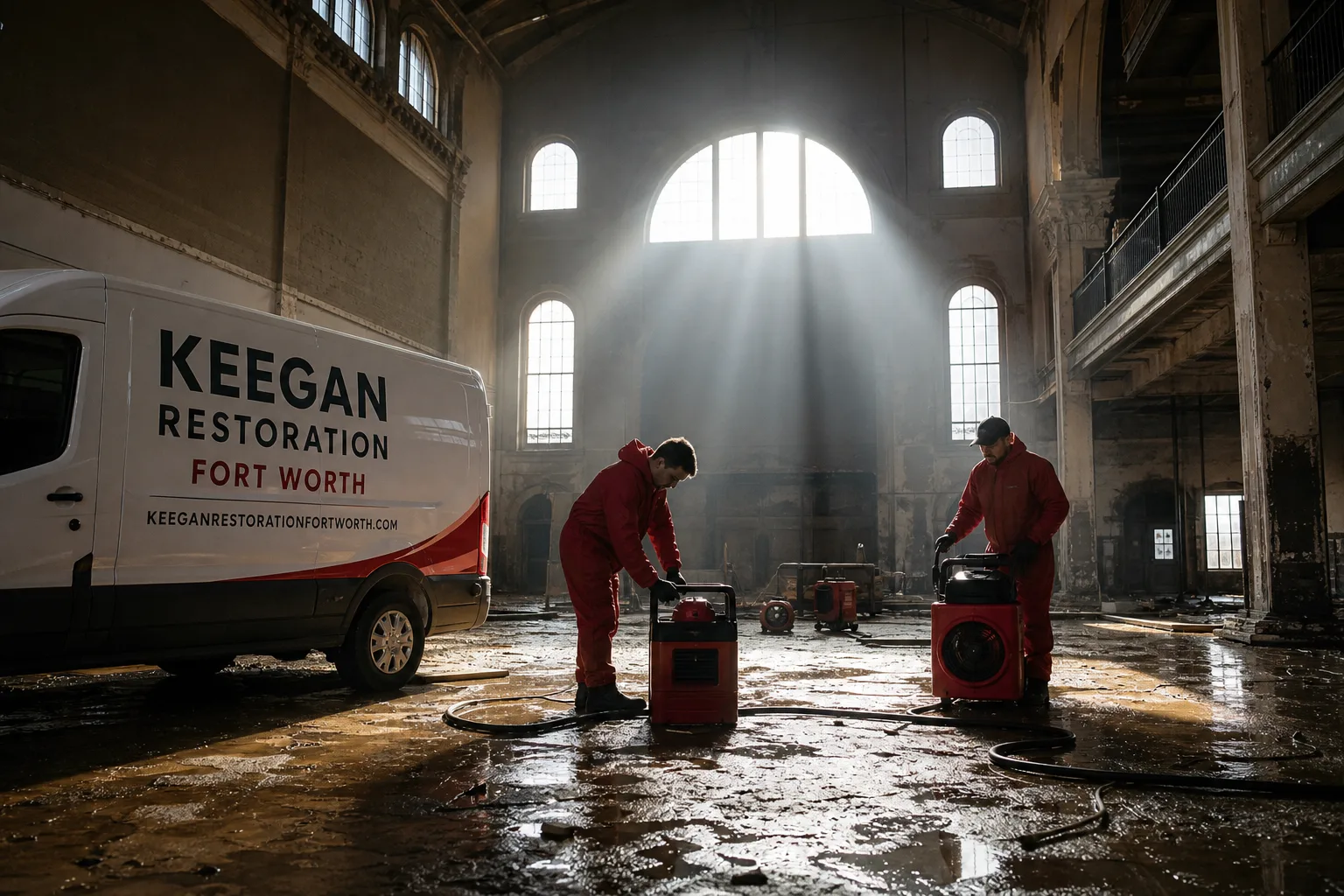
 Fire & smoke cleanup
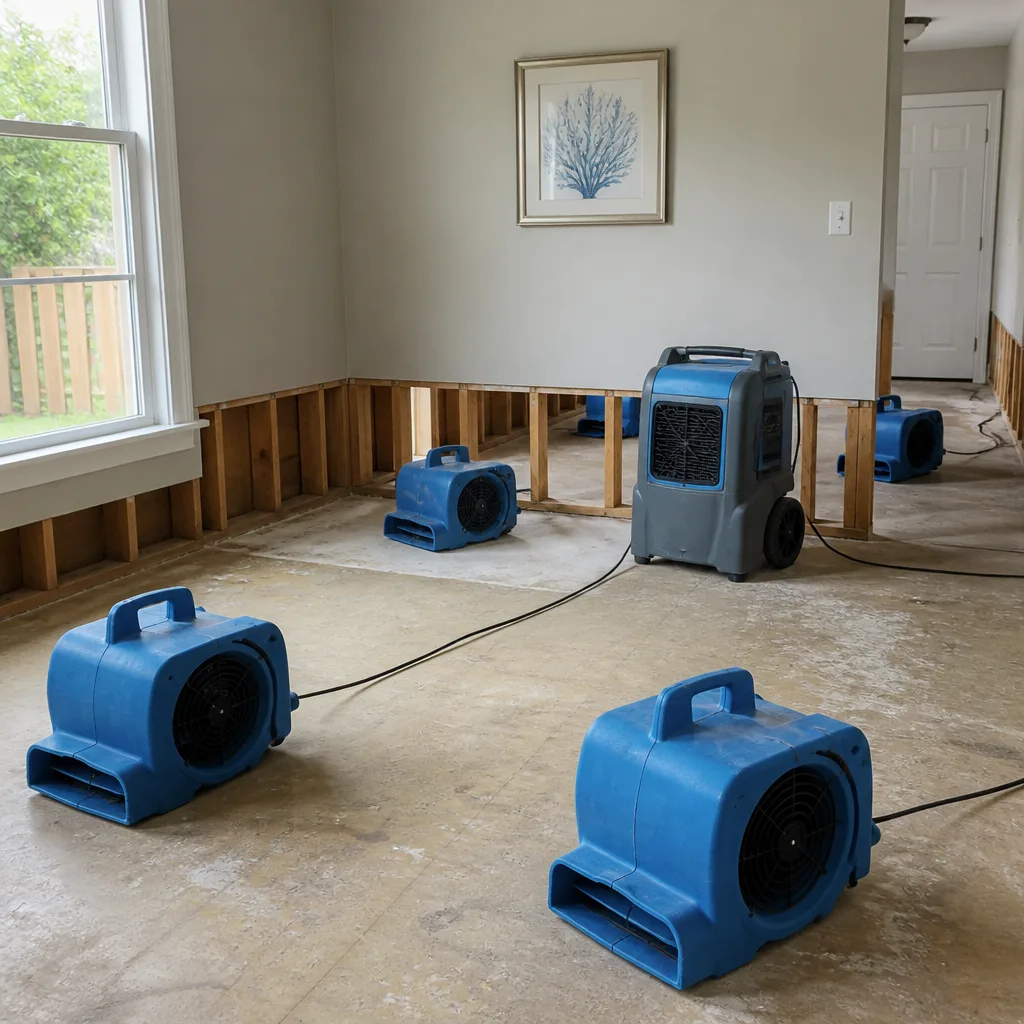 Water damage drying
 Mold remediation
 Storm response
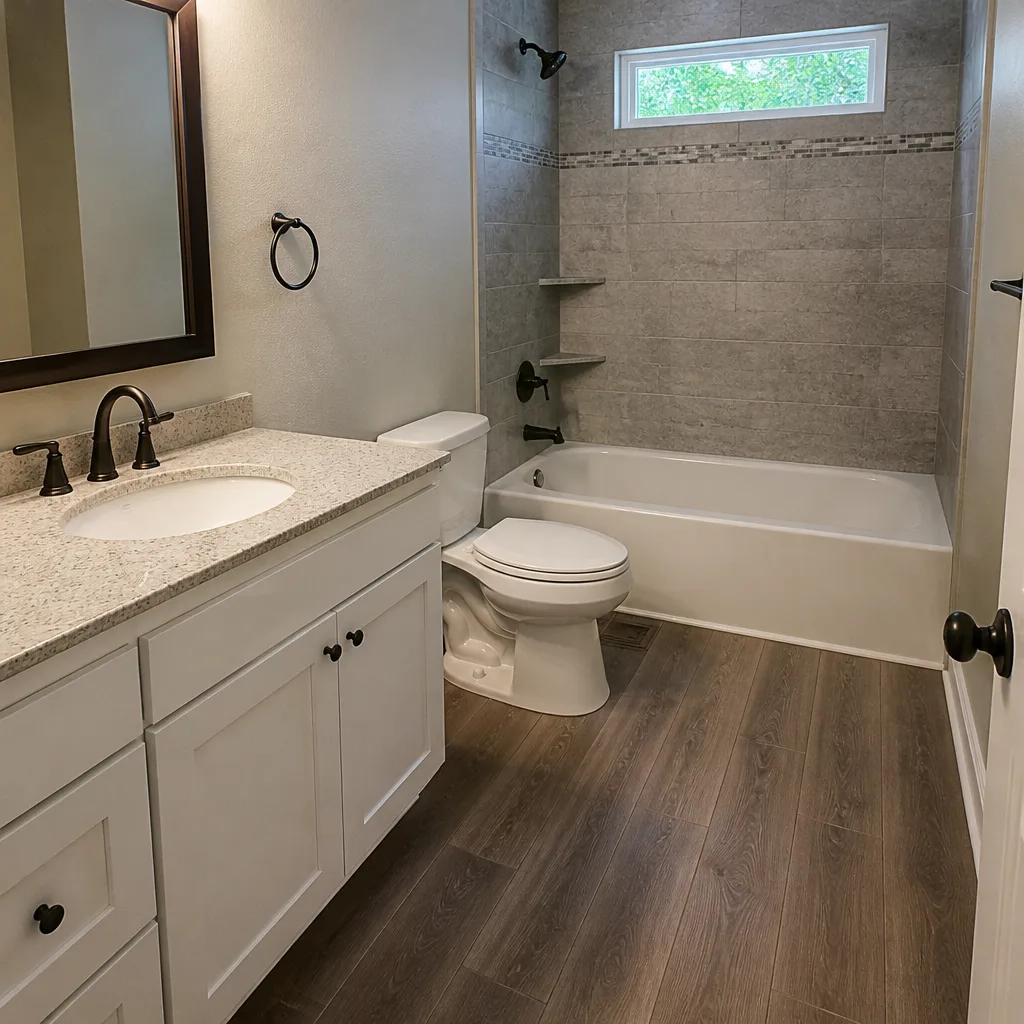 Sewage cleanup
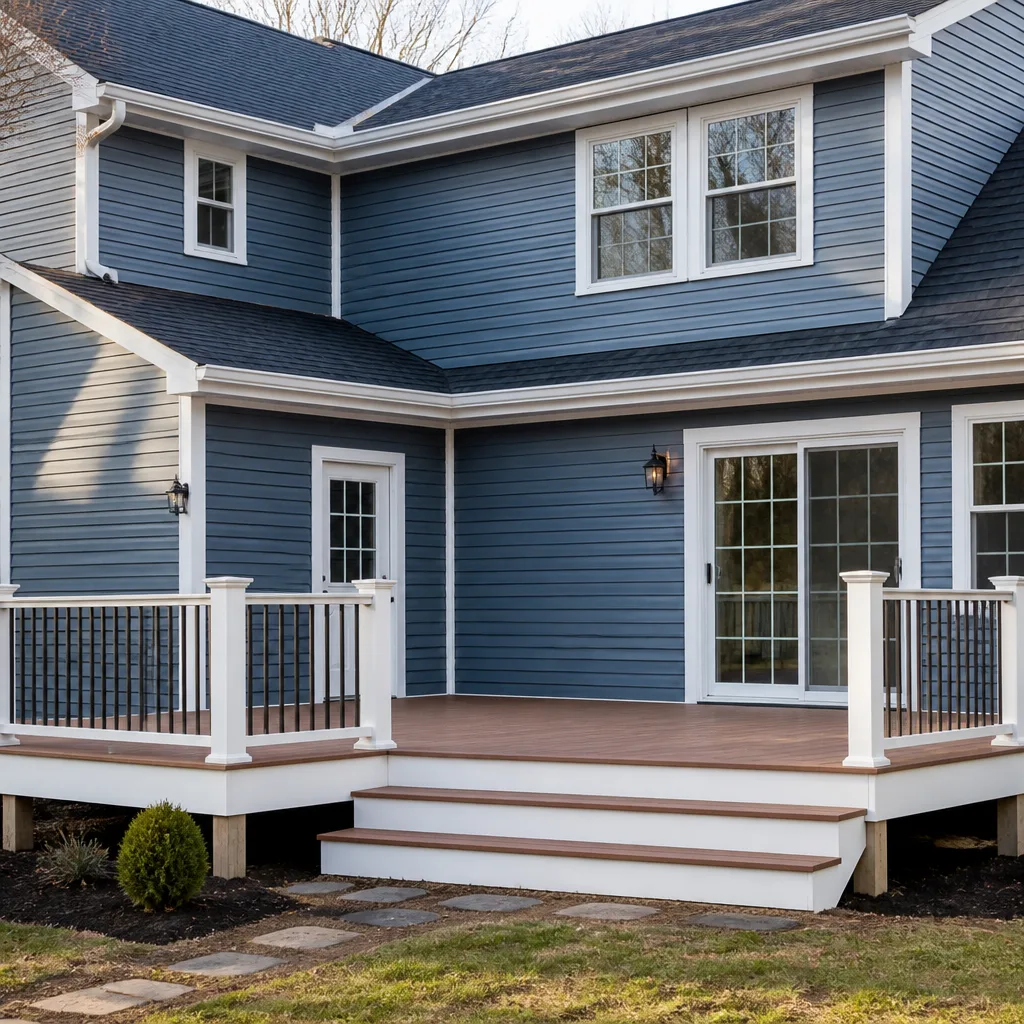 Reconstruction
Free visual inspection and a written scope of work before any mitigation begins - photos, moisture readings, and drying logs go in your claim file
The scope we write is the scope we bill. Anything new gets shown to you, in writing, before we touch it.
Get your free estimateRestoration work we handle
See the difference
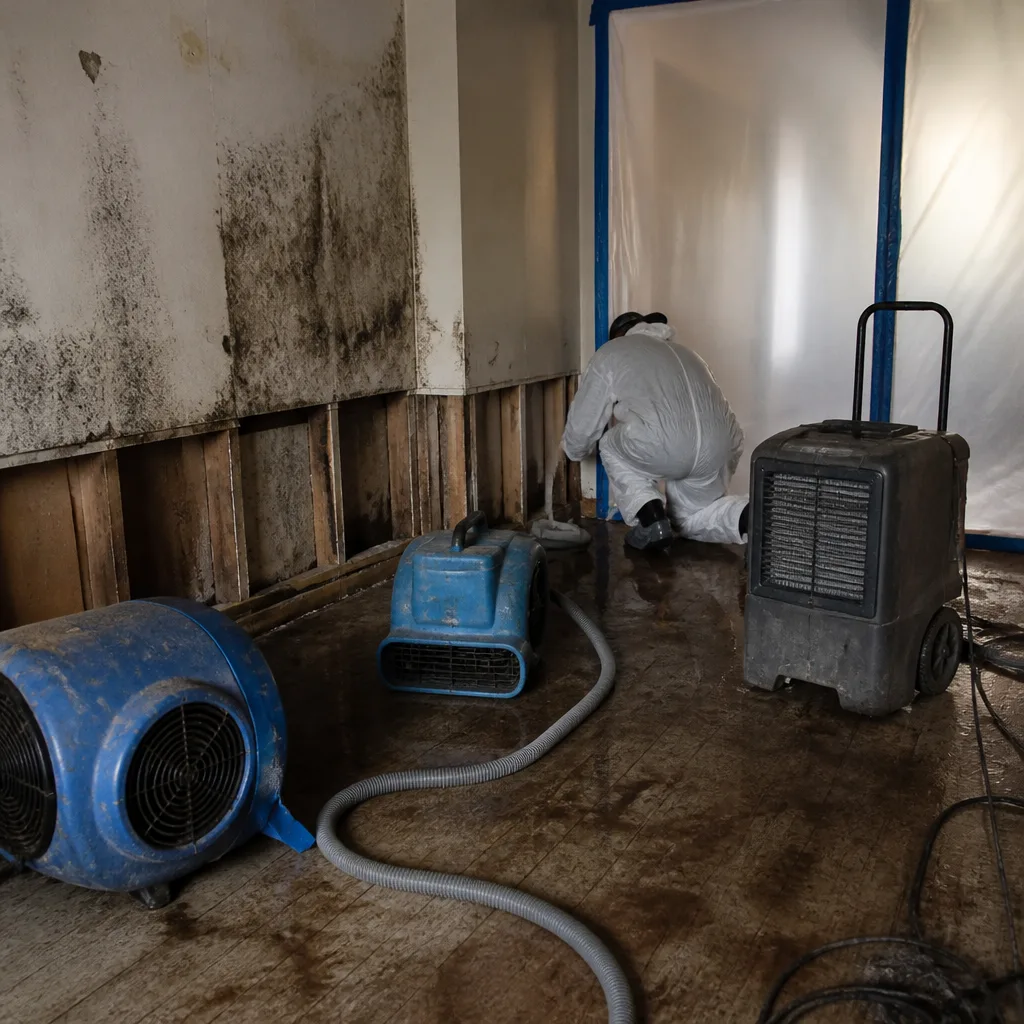 Before
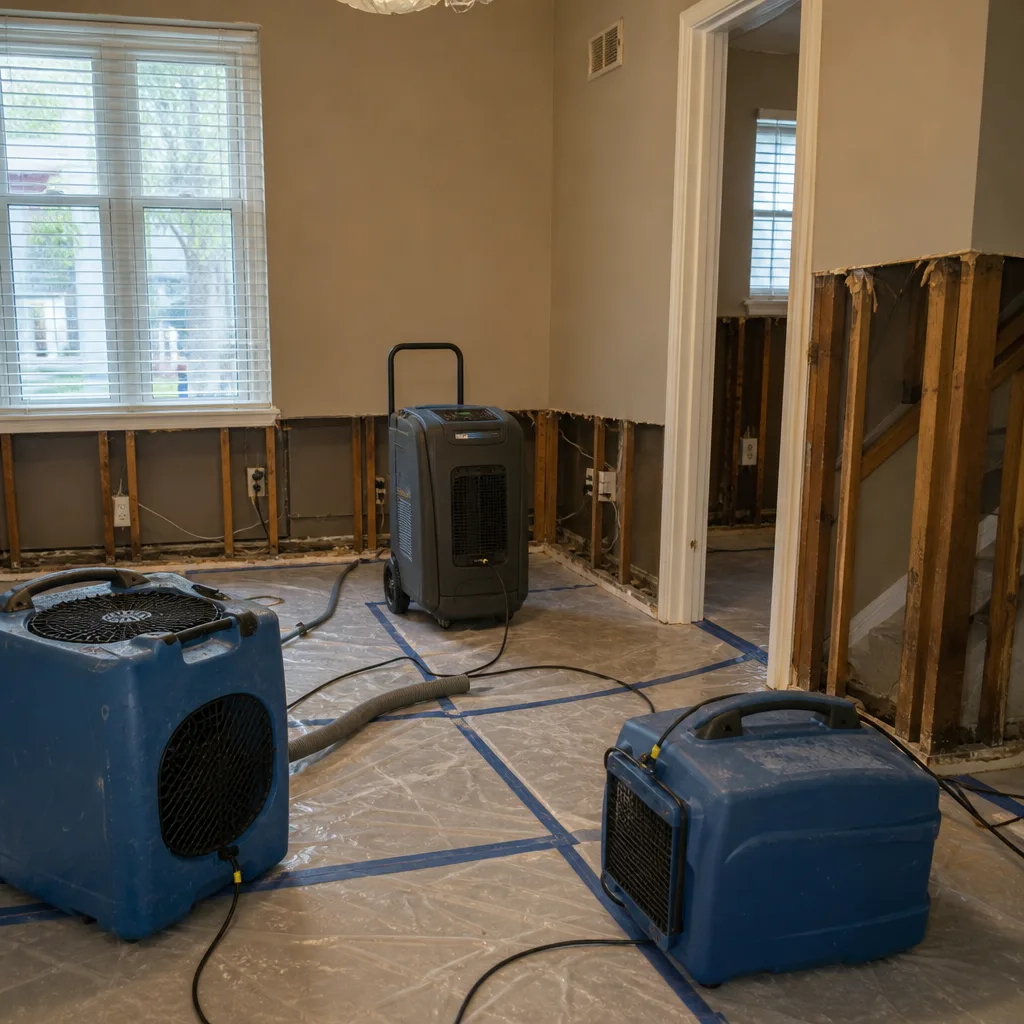 After
After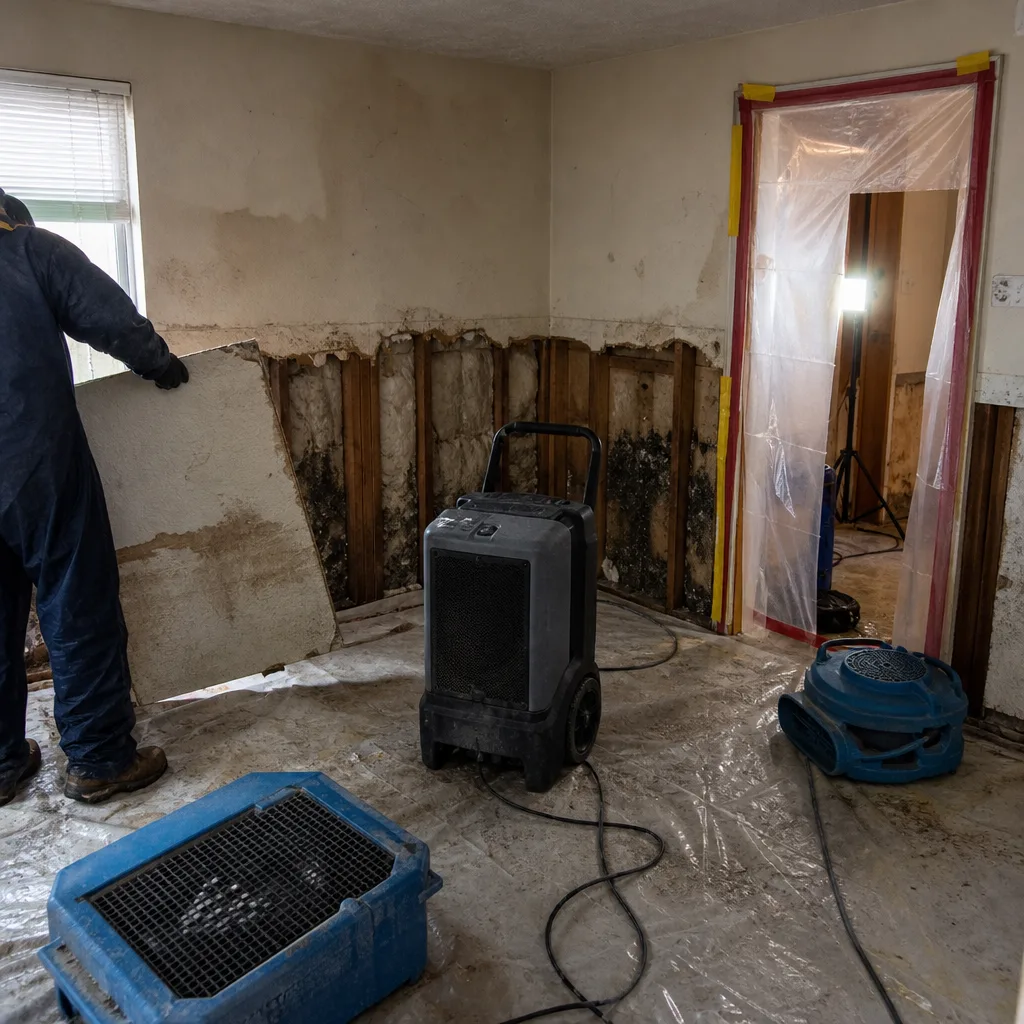 Before
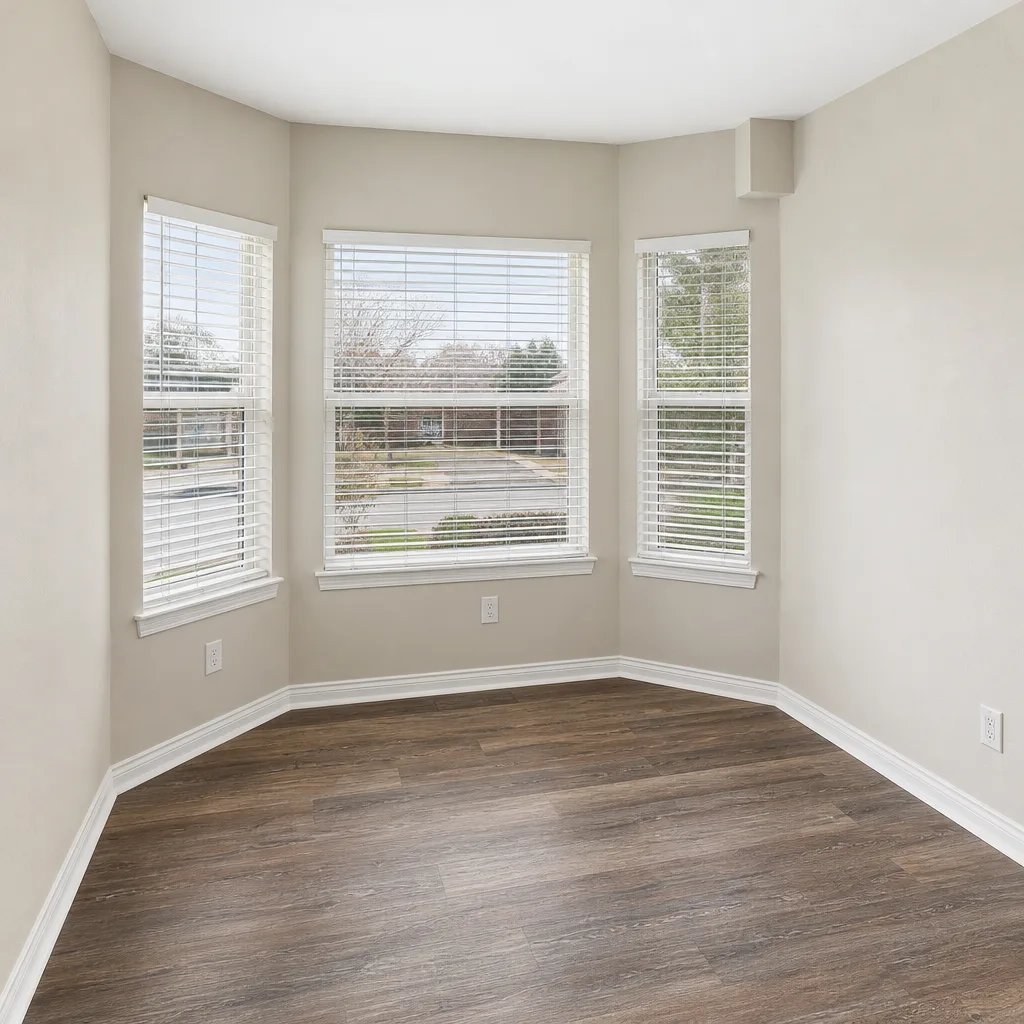 After
After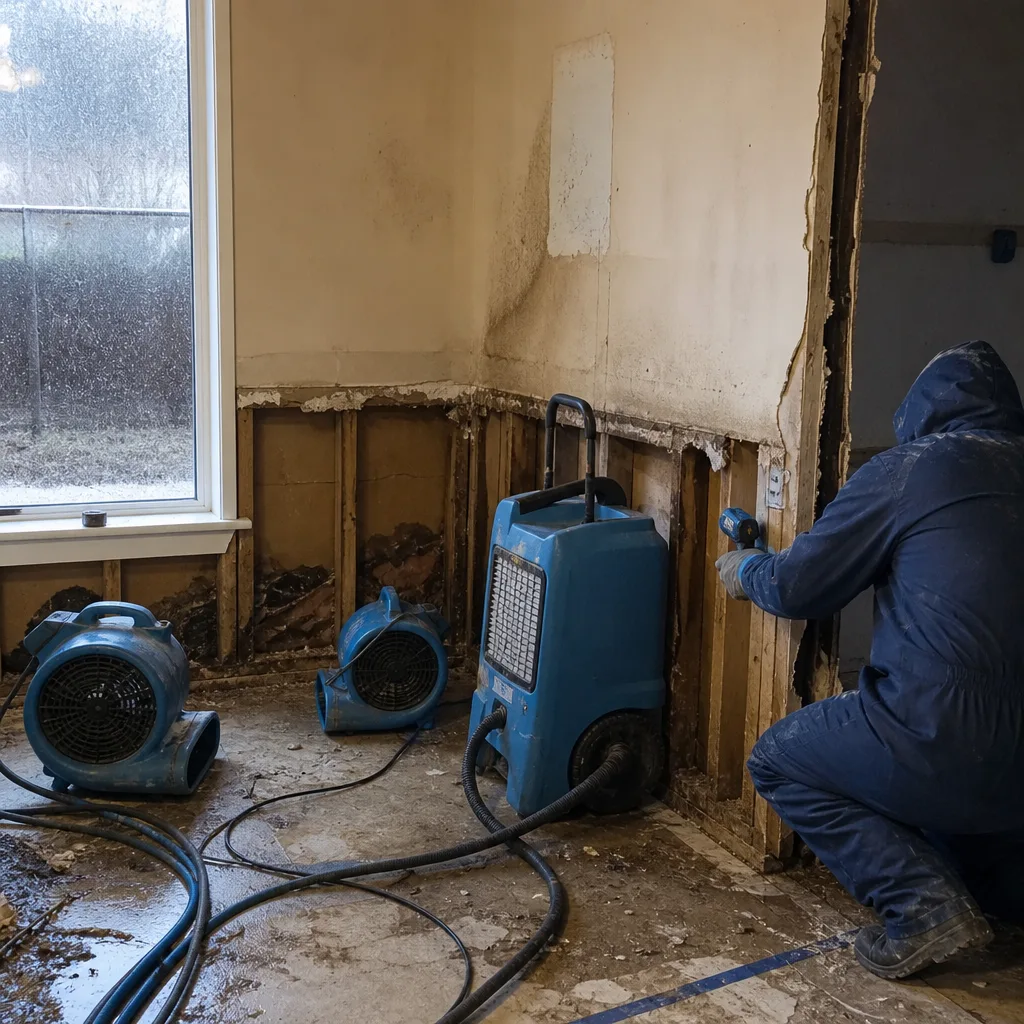 Before
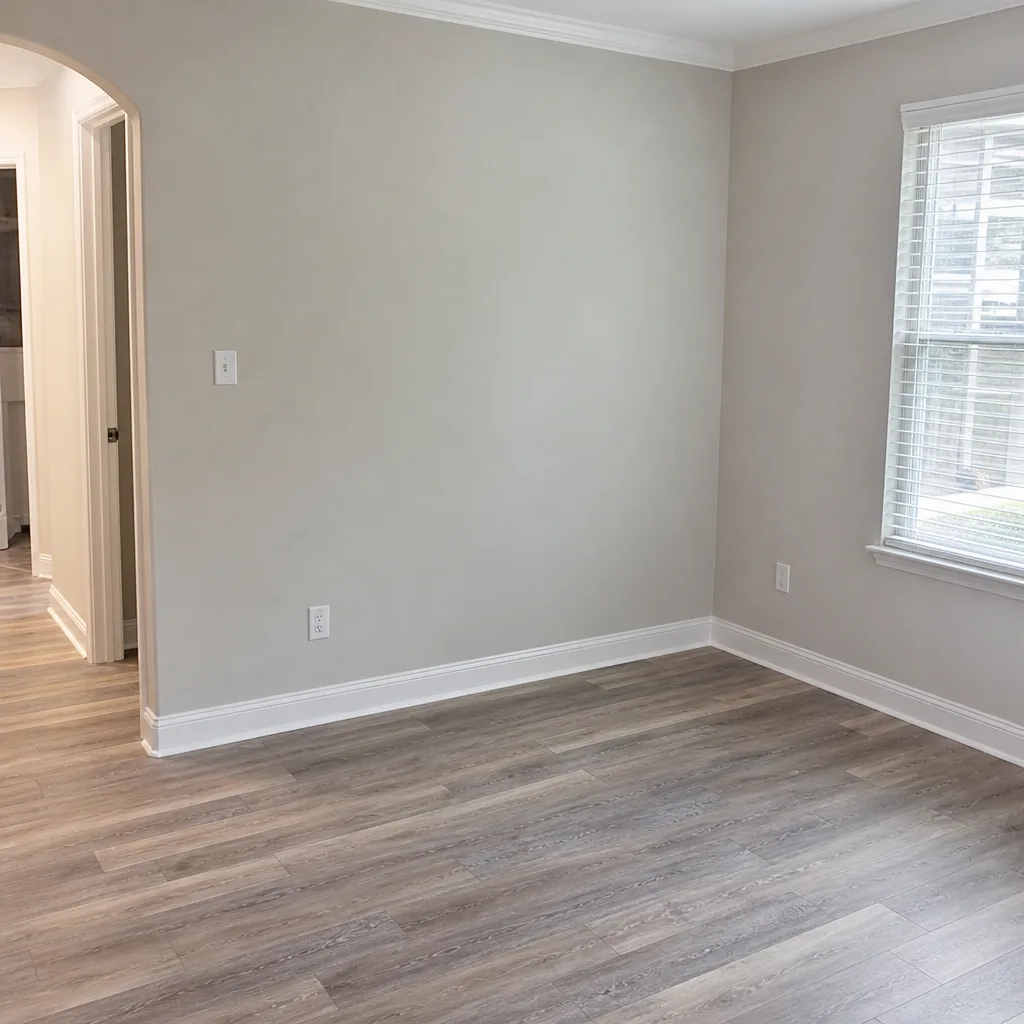 After
AfterHow Much Does Reconstruction & Cleanup Cost in Fort Worth?
Reconstruction and cleanup in Fort Worth typically runs between $2,800 and $28,000, with most water-related rebuilds landing in the $7,000 to $20,000 range. Cleanup-only work (debris removal, demolition of wet drywall, carpet extraction) starts around $1,200 and rarely exceeds $6,500 when no rebuilding is required. The size of the affected area, the type of water involved, and how quickly the damage is caught drive most of the difference.
Every job Keegan Restoration Fort Worth takes on gets a written price before any tool comes off the truck. That’s The Garrison Standard, and it means the number you approve is the number you pay. Call (682) 900-2821 and a live person answers, day or night.
Reconstruction & Cleanup Cost Breakdown (2026)
Fort Worth pricing reflects the reality of our local housing stock: slab foundations, hot summers, clay soil that expands and contracts, and plenty of homes built in the 1970s with cast-iron drain lines that have outlived their useful life. Here’s what you can expect to pay in 2026 for the major pieces of a reconstruction and cleanup project:
| Service | Typical Range (Fort Worth, 2026) | Notes |
|---|---|---|
| Water extraction & emergency cleanup (per affected room) | $450 – $1,100 | Includes extraction, moving/blocking furniture, antimicrobial treatment of the affected area |
| Demolition & debris removal (wet drywall, baseboards, carpet pad) | $3 – $6 per square foot | A 200 sq ft bedroom averages $600 – $1,200 |
| Structural drying (3-5 days, monitored) | $900 – $2,400 | Professional-grade equipment; cost depends on affected square footage and materials |
| Drywall replacement (hang, tape, texture) | $2.75 – $4.50 per square foot | Per square foot of wall area, not floor area |
| Baseboard replacement & installation | $3 – $6 per linear foot | Painted MDF is the common budget choice; higher for wood |
| Paint (walls, primed and topcoated) | $1.50 – $3 per square foot of wall | Labor and materials; prices rise for high ceilings or complex rooms |
| Flooring replacement (per square foot) | $4.50 – $14 | Carpet on the low end, engineered wood or tile on the high end; depends on existing subfloor condition |
| Trim carpentry (door casing, window trim, quarter round) | $3 – $7 per linear foot | Included with most full-room rebuilds |
| Mold remediation (if required, per affected area) | $1,500 – $5,500 | Quoted separately after moisture inspection; required on roughly one in five water losses we see in Fort Worth |
| Full room rebuild (water damage, standard finishes) | $4,000 – $9,500 per room | Bedroom or living room; includes all of the above in a single written scope |
| Full-level rebuild (multiple rooms, shared wall/floor damage) | $15,000 – $28,000 | Common when a supply line bursts on a second story and damages the ceiling below |
These numbers are not guesses. They’re drawn from the scope-of-loss documents we write on real Fort Worth jobs every week: houses off Camp Bowie, split-levels in Wedgwood, rentals around TCU, and homes in the Alliance corridor hit by the same three culprits over and over: supply-line failures, appliance leaks, and storms that push water under exterior doors.
What drives the price up or down
- Clean water versus contaminated water. A supply-line break is category 1 water and costs less to process. A sewer backup or rising floodwater is category 3, which means more PPE, more disposal, and more containment. Category 3 jobs routinely run 30% to 50% higher than a clean-water loss of the same square footage.
- How long the water sat. Water wicks up drywall at roughly one inch per hour for the first 24 hours. A loss caught in the first 60 minutes is a drying job. A loss found after three days is a demolition job. The cost difference is usually thousands of dollars.
- What’s under the flooring. Fort Worth homes on slab foundations don’t have the same subfloor problems you find in the Midwest, but glue-down engineered wood, particleboard underlayment, and vinyl from the 1990s all respond differently to moisture. Some come up clean. Some delaminate and have to go to the dumpster.
- Ceiling work. Any water that finds its way between floors means cutting access into a ceiling, drying the cavity, and either patching or replacing the drywall. Ceiling texture matching in Fort Worth is its own skill set; expect a texture-match line item on most multi-story losses.
What Affects Reconstruction & Cleanup Pricing in Fort Worth
Pricing is local because the conditions are local. Here’s what changes the number on a Fort Worth quote specifically:
- Clay soil and foundation movement. Fort Worth sits on expansive clay that swells when wet and shrinks when dry. A slab leak that runs for weeks can cause heaving, and the repair scope can grow to include lateral plumbing lines and a structural assessment. We’ve seen a $3,500 cleanup turn into a $14,000 rebuild because the slab had shifted and doors no longer closed.
- Age and construction type of the home. Homes built before 1978 in neighborhoods like Ryan Place and Fairmount often have plaster walls, not drywall. Plaster dries slower, cuts differently, and costs more to patch and match. Homes built in the last 20 years in places like Walsh or the northern suburbs are typically drywall and standard trim, which is faster and cheaper to restore.
- Cast-iron drain lines. A significant share of the water losses we see in Fort Worth trace back to 40-to-60-year-old cast iron failing under the slab. When the pipe goes, the repair isn’t just drying the room; it’s breaking concrete to reach the line, which adds excavation, concrete work, and a plumbing permit to the scope.
- Storm season timing. Spring in Fort Worth brings hailstorms and microbursts that can push water through window seals, roof penetrations, and under exterior doors. Demand for cleanup crews spikes in April, May, and June, and material prices for drywall and flooring often move with it. Scheduling flexibility can trim your total.
- Insurance involvement. If your claim is covered, the insurance carrier’s scope of loss controls the price. If you’re paying out of pocket, you write the scope with us. Same house, same damage, two different numbers, because the carrier’s estimating software prices by line item at regional contracted rates, while a homeowner can choose to restore to a higher or lower finish standard.
- Equipment and drying time. Professional-grade drying with Dri-Eaz, Phoenix, and XPOWER equipment costs more per day than renting fans from a hardware store, but it’s the difference between a room that’s dry to the core and a room that looks dry and grows mold in the wall cavity six months later. Psychrometrics (the science of air moisture, temperature, and drying potential) determines how many days the machines run, and that line item is calculated, not guessed.
How to Save on Reconstruction & Cleanup
You don’t save money by hiring the lowest bidder. You save money by controlling the variables that are actually in your control, and those start the moment you notice the water.
- Shut off the water at the source. If a supply line bursts under a sink, turn the angle stop. If you can’t find the leak, shut the main at the meter. In Fort Worth, the homeowner-side shutoff is usually in a covered box near the curb. Five minutes with a meter key saves hours of extraction, and extraction is billed by the hour and by the gallon.
- Move what you can move, but don’t move wet drywall. Get furniture, rugs, and electronics out of the water. Do not cut into walls or pull baseboards yourself if you don’t know what’s behind them. You may be looking at a finished wall that hides wiring or supply lines, and cutting without a plan turns a cleanup into a repair.
- Document everything before anything is touched. Take photos and video of the standing water, the affected materials, and the water source if you can see it. Insurance carriers approve faster claims when the documentation is complete from minute one. This is the same documentation standard we apply on every job we run.
- Get the written scope before work starts. If a contractor won’t put the price in writing before touching anything, you don’t have a price, you have an estimate with an open end. The Garrison Standard exists for exactly this reason: the price goes in writing before the work starts, and it doesn’t move at the door.
- Avoid the ‘dry in place’ temptation. Some companies will lay plastic and position a few fans and call it a day in under 48 hours. It costs less up front. If the studs aren’t actually dry, the repair fails within the year, and now you’re paying for the same room twice. Our Reconstruction & Cleanup in Fort Worth process uses desiccant drying and daily moisture readings, so the wall cavity is documented dry before the drywall goes back up.
For an exact number on your specific loss, call (682) 900-2821. Estimates are free, and you’ll speak to a live person, not a phone tree.
Our Process: How Reconstruction & Cleanup Works
If you’ve never been through a damage-rebuild project, here’s the sequence we follow on every job, in order, with the paperwork to match. This is how a documented, insurance-ready project runs from the first call to the final walkthrough.
- Call and assessment. You call (682) 900-2821. A live person answers, takes down the address, the time the water was discovered, and the source if you know it. We schedule a technician to arrive at your Fort Worth property, usually within hours, always inside the window we give you.
- Inspection and moisture mapping. The technician walks the affected area with a moisture meter, identifies the source, and maps the affected materials. This includes checking hidden cavities (under vanities, behind baseboards, inside wall voids) where water travels but doesn’t show.
- Written scope of loss. We write the full scope: what gets extracted, what gets removed, what gets dried, what gets rebuilt, and what it costs. The price is put in writing and you approve it before any work starts. No deposits that change, no add-on surprises at the end.
- Extraction and demolition. Standing water is extracted using professional-grade equipment. Wet carpet pad, drywall, and other unsalvageable materials are cut out and removed. Salvageable materials are documented for insurance.
- Structural drying. Dri-Eaz, Phoenix, XPOWER, B-Air, and Injectidry equipment is placed according to the psychrometric readings from the inspection and monitored daily. We record moisture levels until the affected areas reach the drying target, usually in three to five days.
- Reconstruction. Drywall goes back, seams are taped and textured to match, baseboards and trim are replaced, and finishes are painted. Every trade we use runs to the same written standard.
- Final inspection and documentation. We walk the job with you, confirm the work matches the written scope, and deliver the completed documentation package for your insurance claim.
- 365-Day Done Right Promise. If any repair fails within one year, we return and make it right at no charge. That’s in writing, before we ever write the first scope. You’ll find that guarantee on every Keegan job.
Reconstruction & Cleanup vs. Replacement: Which Costs Less?
In most Fort Worth water losses, the math favors repair over replacement up to a clear threshold. Drywall that got wet on the bottom 12 inches can be cut back to the stud line and replaced with new rock for a fraction of the cost of gutting the room. Flooring is a closer call; carpet is almost always replaced, while tile and some hardwoods can sometimes be dried in place.
The real question is usually whether the affected area has hidden damage. If the moisture map shows water in the wall cavity, repairing the visible surface without opening the wall is a repair in name only. That’s the kind of work that fails within the year, and the kind of work the 365-Day Done Right Promise is designed to prevent. A proper scope costs what it costs because it’s written for the actual condition of your home, not for the cheapest possible bid.
FAQs – Reconstruction & Cleanup Cost
How much does water damage reconstruction cost in Fort Worth?
Most single-room water damage reconstruction in Fort Worth runs between $4,000 and $9,500, including demolition, drying, drywall, trim, paint, and flooring. Multi-room or two-story losses typically range from $15,000 to $28,000. Call (682) 900-2821 for a written scope on your property; the estimate is free.
How much does cleanup cost without reconstruction?
Cleanup-only work (water extraction, wet material removal, and drying) typically costs between $1,200 and $6,500 in Fort Worth, depending on the affected square footage and the category of water. Clean-water extraction from a single room starts around $450. If you’re deciding whether to file a claim, call us and we’ll walk you through what the cleanup scope would look like.
Does insurance cover reconstruction and cleanup?
Homeowners insurance typically covers sudden and accidental water damage, including a burst supply line, appliance failure, or storm-related water intrusion, minus your deductible. Most policies exclude gradual leaks and lack of maintenance, such as a slow drain-line leak that went unaddressed for months. We document every job to the standard insurance carriers expect, which helps you get approved faster. Your agent is the best first call for coverage questions.
How long does reconstruction take after water damage?
A single room typically takes seven to ten working days from initial extraction to final paint, including three to five days of structural drying. Multi-room rebuilds can run two to four weeks. Drying time is dictated by the materials and the psychrometric readings, not the calendar, and we don’t cut that corner.
Can you come today if I have standing water?
Yes. We answer the phone 24 hours a day, 7 days a week, including weekends and holidays, and we dispatch crews across Fort Worth daily. If you have standing water right now, call (682) 900-2821 and a live person will get a technician to you inside the window we give you.
What’s the 365-Day Done Right Promise?
It’s a written guarantee, part of The Garrison Standard, that covers every reconstruction and cleanup repair we complete for one full year. If the repair fails within that year, we return and make it right at no charge, including a free second visit. It’s in writing before the work starts.
Get a Written Price on Your Fort Worth Reconstruction & Cleanup
If you have water in your home right now, the best thing you can do is call (682) 900-2821. A live person answers, day or night, and we’ll get a background-checked, uniformed technician to your Fort Worth property to assess the damage and put the scope in writing before any work begins. No pressure, no phone trees, no price moving at the door.
Keegan Restoration Fort Worth has been part of the Garrison Partners family since 2005, and our home is built on the same standard every job runs to: show up inside the window, price in writing, do it by the book, leave the site clean, and stand behind the work for a full year. That’s The Garrison Code, and it applies to every job we take, from a single wet closet to a full-level rebuild.
Led by Shane Pruitt, our Fort Worth crews handle water damage restoration, fire damage restoration, and mold remediation with professional-grade equipment from Dri-Eaz, Phoenix, XPOWER, B-Air, and Injectidry, operated in compliance with IICRC, RIA, and IFA industry standards. Every job is documented to support your insurance claim. If the repair fails within one year, we come back and fix it. In writing.
Call (682) 900-2821 now for a free estimate on reconstruction and cleanup in Fort Worth.
Pricing reflects the Fort Worth market as of 2026. Keegan Restoration Fort Worth offers free estimates – call (682) 900-2821.
Written by Shane Pruitt, Owner at Keegan Restoration Fort Worth, serving Fort Worth since 2005.
What Our Customers Say
"Mold test after drying came back clean. They gave me the readout in writing so I could keep it with the insurance file."
- Gus P."Basement water from a bad sump pump. Extracted, dried, and treated for mold. The smell is gone."
- Perry J."Fire damage in the kitchen from a stove flare-up. They cleaned the soot, removed the burnt cabinets, and deodorized the house."
- Lorraine D.