
 Mold remediation
 Water damage drying
 Fire & smoke cleanup
 Storm response
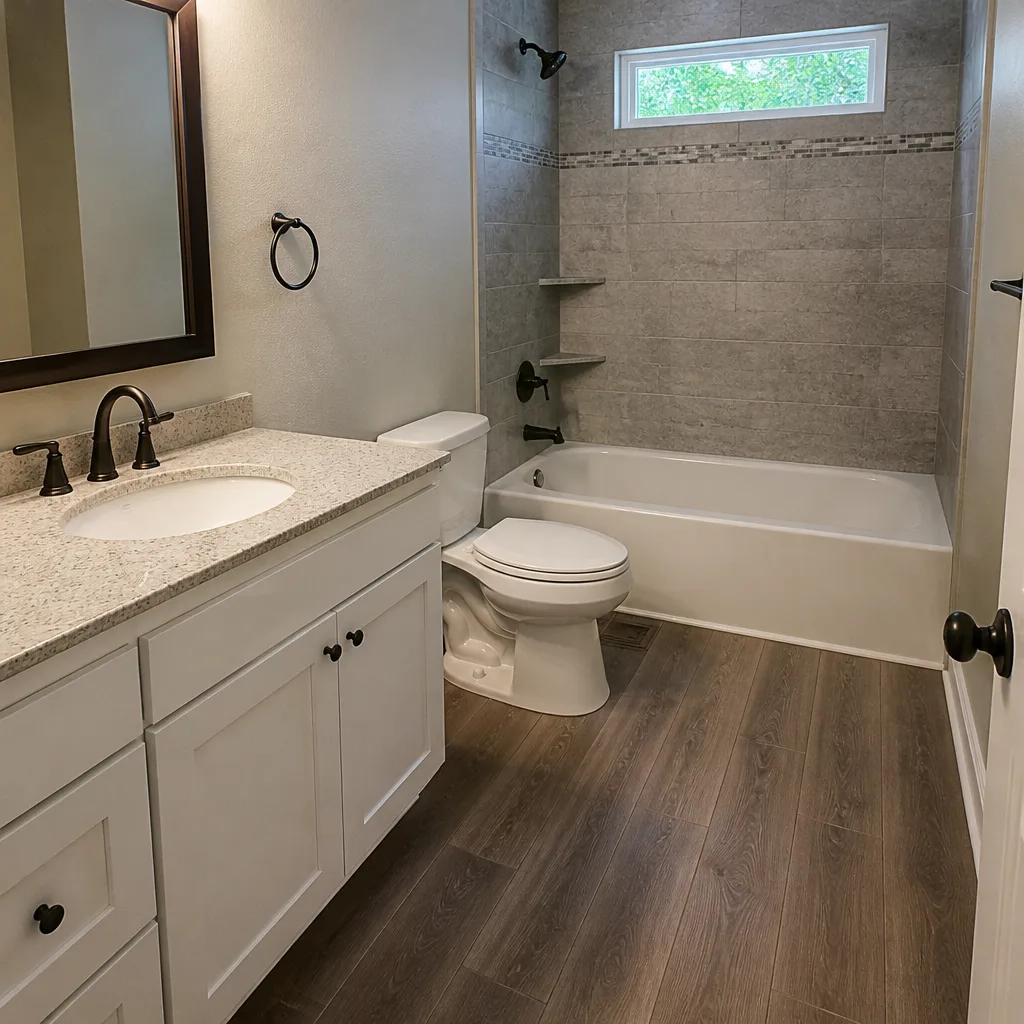 Sewage cleanup
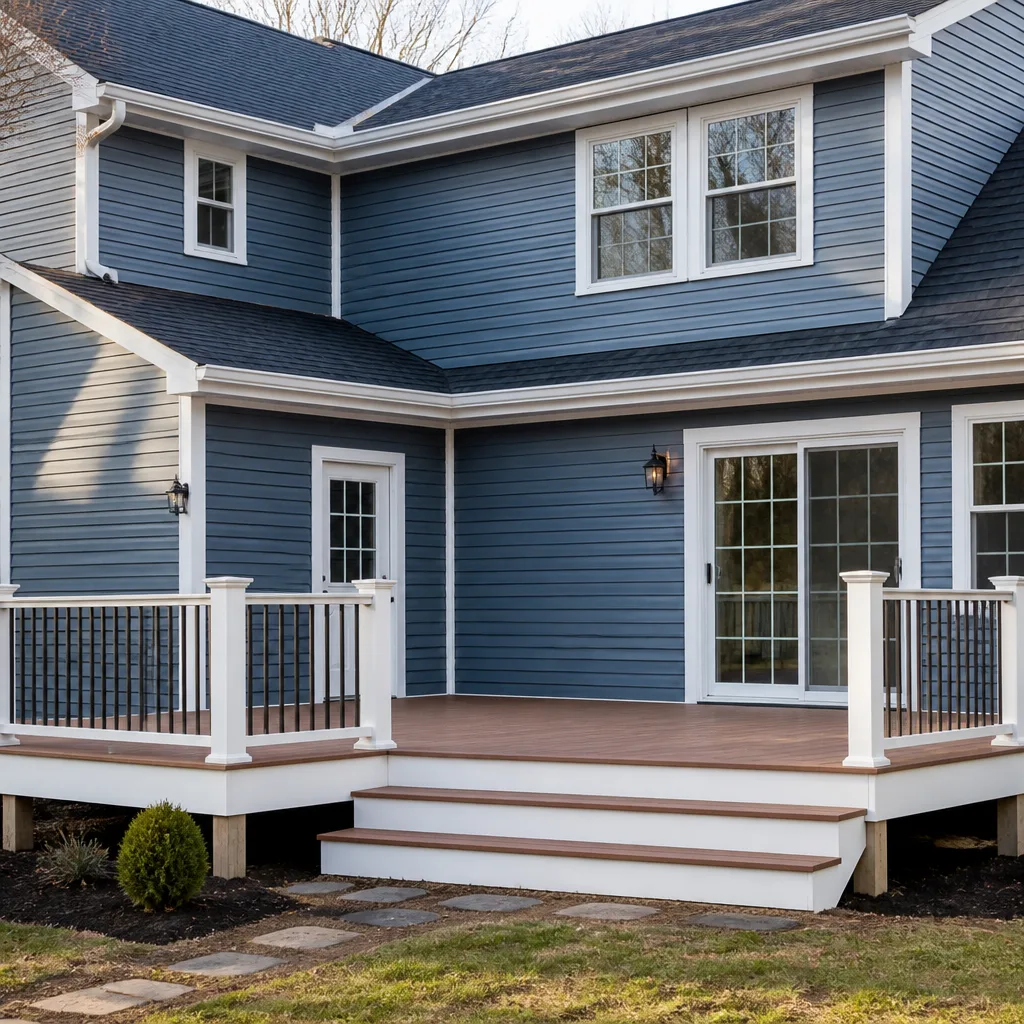 Reconstruction
Free visual inspection and a written scope of work before any mitigation begins - photos, moisture readings, and drying logs go in your claim file
The scope we write is the scope we bill. Anything new gets shown to you, in writing, before we touch it.
Get your free estimateRestoration work we handle
See the difference
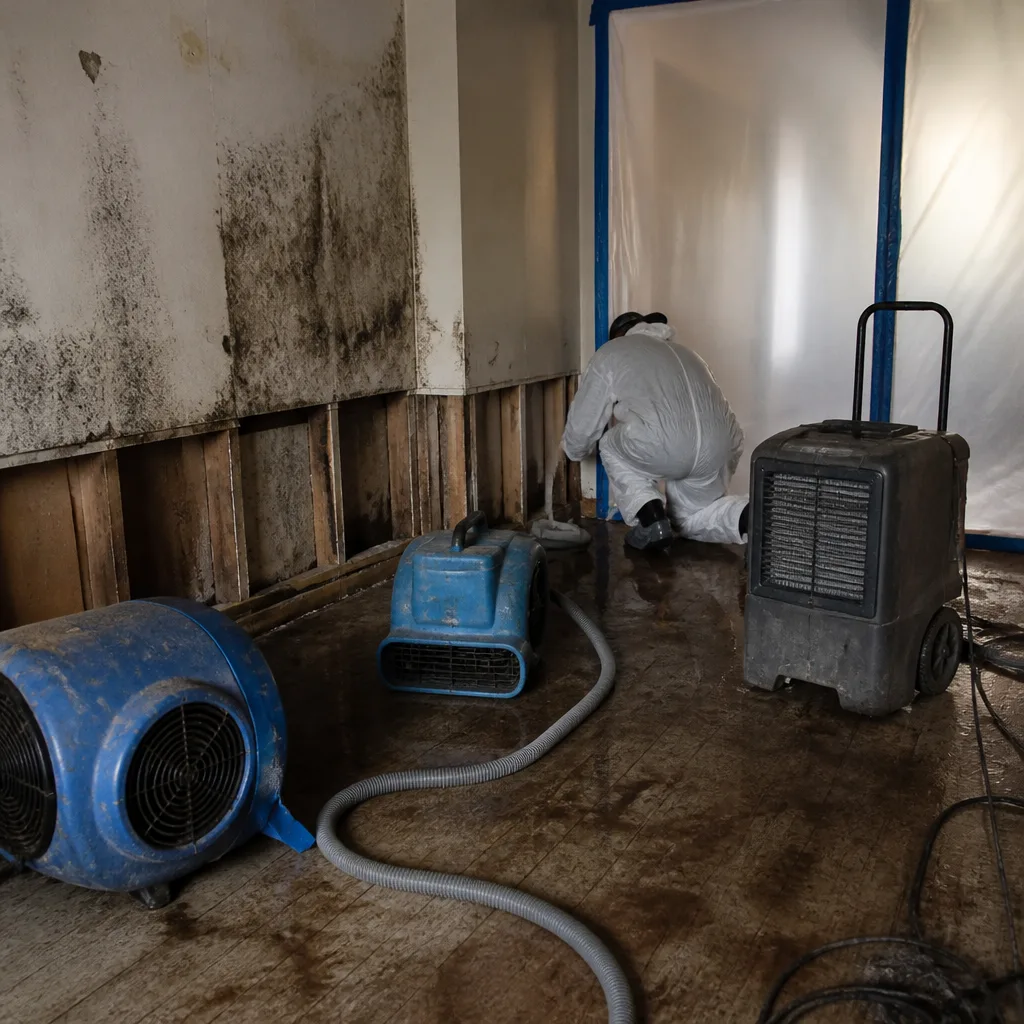 Before
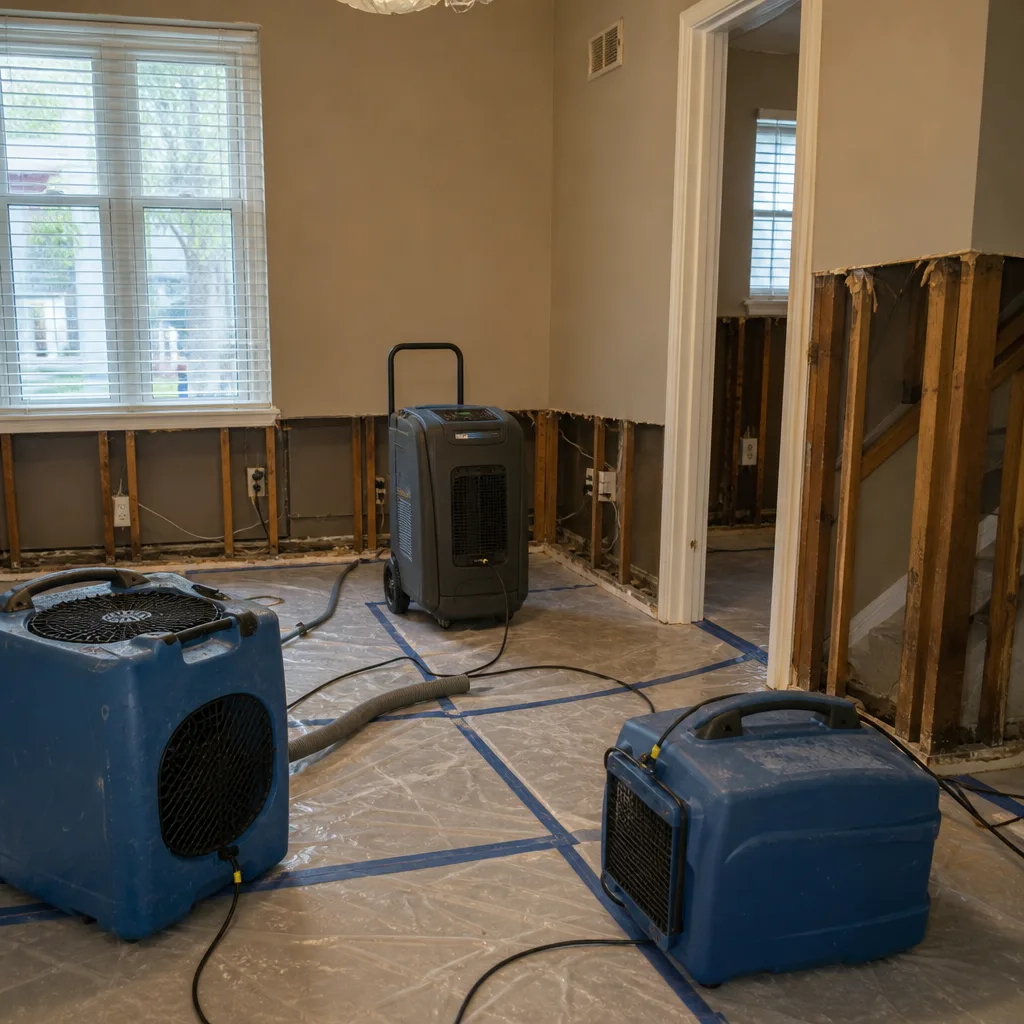 After
After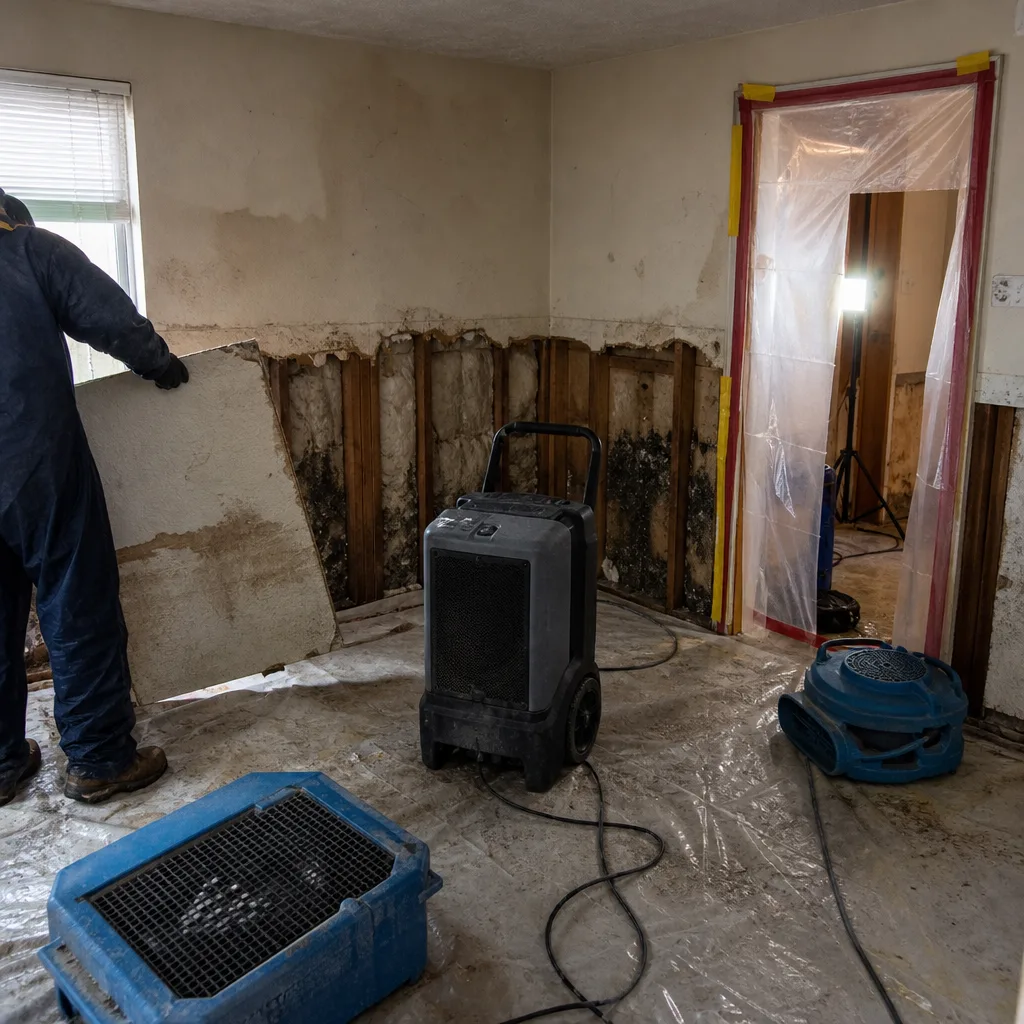 Before
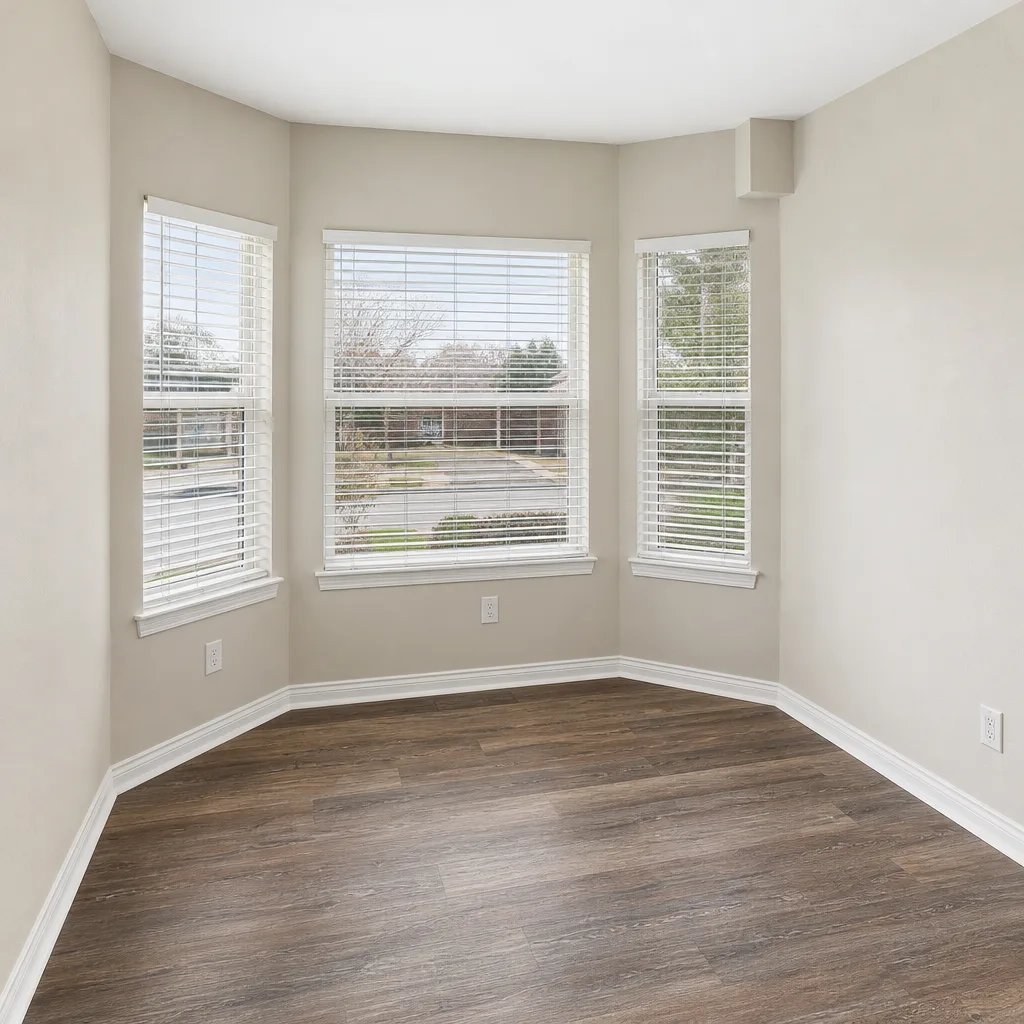 After
After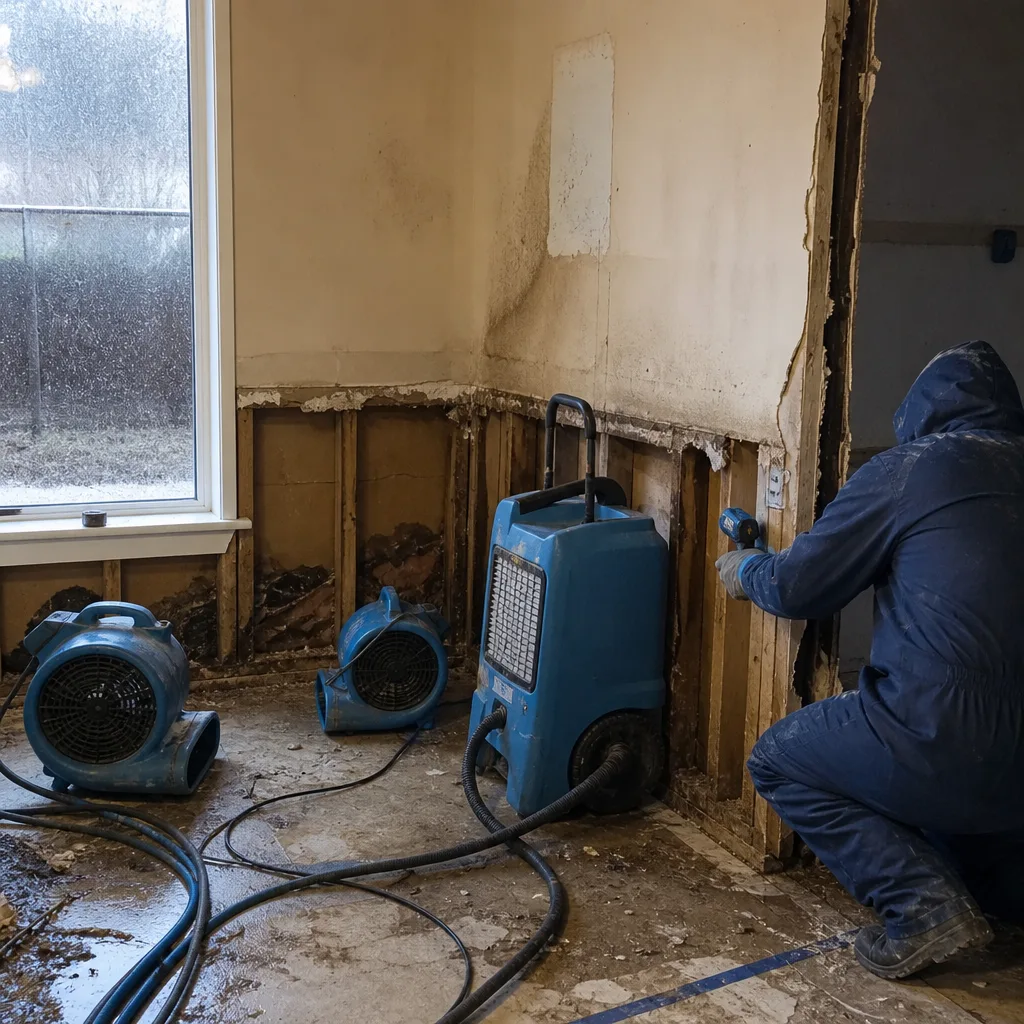 Before
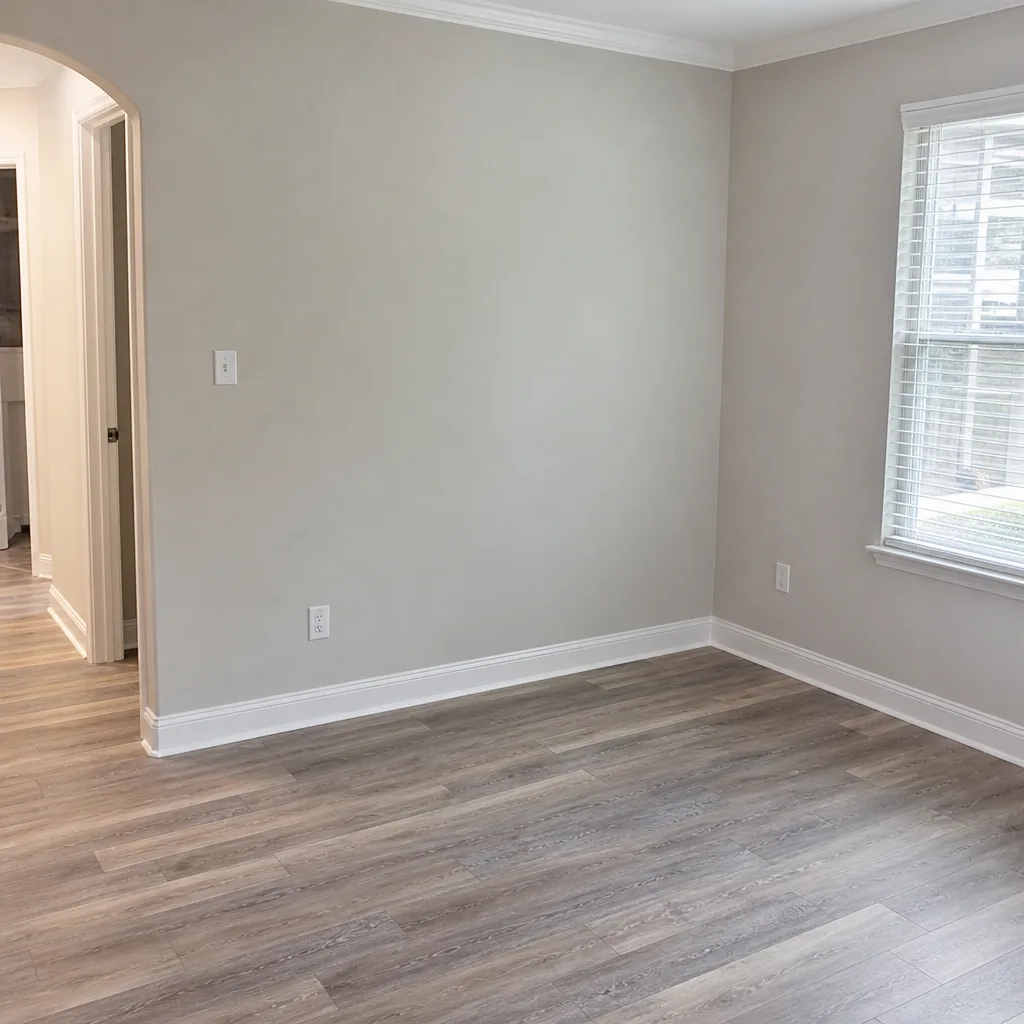 After
AfterHow Much Does Mold Remediation Cost in Fort Worth?
Mold Remediation in Fort Worth typically costs between $1,200 and $3,800 for a contained, mid-sized interior job, with most homeowners in Tarrant County paying around $2,100. Small, contained outbreaks, such as a bathroom ceiling patch or a closet wall, run closer to $500 to $1,100, while extensive crawlspace or HVAC-involved projects can reach $6,500 or more. The price you pay comes down to square footage of affected material, how far the mold has traveled, and whether hidden cavities, ductwork, or structural framing need to be opened and treated.
Those numbers are based on real Fort Worth job patterns, not national averages. Local humidity cycles, slab-on-grade construction, and the age of housing stock in neighborhoods like Wedgwood, Ridglea Hills, and Meadowbrook all shape what a remediation crew finds once containment goes up. If you’re gathering bids, the figure that matters most is the written line-item scope, not the headline number a contractor quotes over the phone.
Mold Remediation Cost Breakdown (2026)
Here is the pricing structure our crews see across Fort Worth in 2026. These ranges reflect typical residential work in single-family homes built between the 1950s and early 2000s, the dominant housing stock from the North Side to South Hills.
| Scope of Work | Typical Cost Range | What It Includes |
|---|---|---|
| Inspection and moisture mapping | $150 – $400 | Visual assessment, moisture meter readings on walls and floors, humidity measurement, identification of water source |
| Small contained remediation (under 10 sq ft) | $500 – $1,100 | Single room containment, HEPA air scrubber, affected drywall or trim removal, antimicrobial treatment, clearance check |
| Mid-sized remediation (10 – 50 sq ft) | $1,200 – $3,000 | Full room containment, negative air pressure, removal of drywall, insulation, or carpet, treatment of framing, HEPA vacuuming |
| Large or multi-room remediation (50 – 150 sq ft) | $3,000 – $6,500 | Multi-room containment, structural drying if needed, removal of large wall sections or flooring, duct cleaning, post-remediation verification |
| Crawlspace or attic mold treatment | $1,500 – $5,000 | Full encapsulation or treatment of exposed framing, vapor barrier repair, moisture source correction, HEPA filtration |
| HVAC / ductwork mold involvement | $800 – $3,500 | Duct cleaning, coil treatment, replacement of affected duct sections, blower cleaning |
| Post-remediation reconstruction (if needed) | $400 – $4,000+ | Drywall replacement, paint, trim, flooring, insulation, texture match |
Not every job needs every line item. A bathroom leak caught early might only require tile removal, framing treatment behind the shower, and re-tiling, keeping the whole project under $1,500. A slow plumbing leak behind a kitchen cabinet that went unnoticed for a year is a different animal: mold travels behind the cabinet, into the wall cavity, under the floor, and sometimes into the subfloor. That job lands in the $3,000 to $5,500 range before reconstruction, because the scope of affected material is three or four times larger than the visible patch suggests.
Two cost drivers surprise most Fort Worth homeowners. The first is containment and air handling. Building a proper containment barrier, running negative air pressure, and filtering the workspace with HEPA air scrubbers adds $300 to $900 to a job, but skipping it spreads spores into unaffected rooms and turns a one-room problem into a whole-house problem. The second is the moisture source. If the mold was caused by a roof leak, a pinhole slab leak, or a broken condensate line, that source has to be fixed before remediation means anything. Otherwise you are treating the symptom and scheduling the same job again in eight months.
Keegan Water Damage Restoration puts every one of these costs in writing before any work begins. The line-item estimate includes the containment plan, the equipment list, the labor hours, the disposal method, and the post-remediation verification criteria. If the scope changes because we find more mold behind a wall, the revised price goes back in writing for your approval. Nothing moves at the door.
What Affects Mold Remediation Pricing in Fort Worth
Fort Worth has specific building and climate conditions that shape mold remediation costs differently than Dallas, Arlington, or the mid-cities. Here is what actually moves the number.
- Square footage of affected material. This is the dominant cost driver. Remediation pricing is built on the surface area that must be removed, treated, or cleaned. Ten square feet of moldy drywall is a half-day job. Eighty square feet across two rooms is a two-day job with different containment and disposal requirements. The number you see on an estimate should correspond directly to the square footage measured on a moisture map.
- Wall cavity penetration and hidden framing. Mold that starts on drywall often moves into the cavity behind it, where the backside of the drywall, the studs, and the insulation all become affected. Fort Worth homes built before the 1980s frequently used fiberglass batt insulation, which holds moisture and has to go once it is wet. Treating exposed stud framing adds time and antimicrobial material cost, but it is non-negotiable. A cavity that is not treated will regrow mold within weeks in a Fort Worth summer.
- Containment complexity. Jobs on a second floor, in a hallway connecting multiple rooms, or in a kitchen where the wall butts against cabinetry all require more involved containment and more careful removal. The air handling equipment has to run continuously from setup to clearance, and that run time is part of the price.
- Crawlspace and slab-on-grade construction. Much of Fort Worth, from Summer Creek to Como, sits on slab foundations with vented crawlspaces or pier-and-beam sections in older homes. Crawlspace mold involves working in confined conditions, often with a vapor barrier that needs replacement. The heat and humidity of a Tarrant County crawlspace in August slow the drying process and require more equipment run time than an interior wall job.
- HVAC system involvement. If mold has established in the ductwork or on the evaporator coil, the remediation scope includes coil cleaning, duct sanitizing, and sometimes replacement of porous duct sections. Fort Worth’s long cooling season means the AC runs constantly from May through September, pushing spores through the air handler across the whole house. Treating the HVAC is the only way to stop recontamination.
- Source of moisture and whether repairs are needed. If the water came from a slab leak under the foundation, you are looking at a plumbing repair before remediation, often with a separate contractor scope and price. If it came from a roof flashing failure, the roof must be repaired or the mold comes back. The remediation crew can treat the mold, but without fixing the water source, the treatment is temporary. Keegan documents the source findings in the scope report so your insurance claim includes the full picture.
Fort Worth’s climate plays into every one of these factors. The city averages around 36 inches of rain per year, most of it landing in spring thunderstorms that test aging roofs, window seals, and foundation drainage around the Trinity River basin. The humidity through summer and early fall holds between 60 and 75 percent on plenty of days. This means a small water intrusion that stays hidden inside a wall cavity for even a few weeks has enough moisture and heat to establish active mold growth. That is why our Mold Remediation in Fort Worth process starts with moisture source identification, not just surface treatment.
What Is Mold Remediation, Step by Step?
A real remediation job in Fort Worth follows a defined sequence. Here is how a properly scoped project runs, step by step, so you can compare what you are being quoted against what actually needs to happen.
Step 1: Inspection and Moisture Mapping
The technician walks the affected area with a moisture meter and an infrared camera. They map the wet zones on walls, floors, and ceilings, and they measure the ambient humidity. The goal is to find not just the visible mold, but the edge of the water migration behind the wall. You get a written scope based on what the meter reads, not what the wall looks like.
Step 2: Source Identification
The moisture source is documented and labeled: plumbing leak, roof penetration, AC condensate, foundation weep, or storm intrusion. If the source is active, remediation pauses until the leak is stopped. Remediating around a live water source, as mentioned above, is wasted money.
Step 3: Containment and Air Handling
Heavy plastic containment is installed around the work area, sealed to walls, floors, and doorways. A negative air pressure machine is set up to pull air from the contained zone, through a HEPA filter, and out of the house. This keeps spores inside the work zone and away from the rest of the house. The containment stays up until the final clearance check passes.
Step 4: Removal and Treatment
Affected drywall, insulation, carpet, pad, or trim is cut out and bagged inside the containment area. The exposed framing and cavity surfaces are treated with an antimicrobial agent and dried to below mold-sustaining moisture levels. The crew works from the affected zone outward to avoid cross-contamination.
Step 5: Drying and Verification
Professional-grade drying equipment, typically Dri-Eaz or Phoenix air movers and dehumidifiers, runs until the moisture readings on the framing drop below the threshold that sustains mold growth. We use psychrometrics, the science of moisture movement in air and materials, to determine when the structure is actually dry, not just surface-dry.
Step 6: Clearance and Documentation
A final visual inspection and moisture check is completed. The containment is taken down only after the treated area meets the clearance standard written into the scope. Keegan provides full job documentation, including moisture maps, equipment logs, treatment records, and before-and-after photos. It is formatted to support your insurance claim, which we will explain.
Does Homeowners Insurance Cover Mold Remediation in Fort Worth?
Most Texas homeowners policies cover mold remediation only when the mold results from a covered water event, such as a burst pipe or a storm-related roof leak. Coverage is typically capped. Standard HO-3 policies in Texas commonly include a mold remediation sub-limit between $1,500 and $10,000, depending on the carrier and the endorsement. Some policies exclude mold entirely unless a specific mold rider was purchased.
Here is what matters for your claim: documentation. The insurance adjuster needs to see the original water event, the scope of the moisture damage, the measured extent of the mold, and the line-item cost of the remediation. That is why Keegan runs every mold job with written scopes, moisture logs, equipment records, and photographs organized in a claim-ready format. We have seen too many Fort Worth homeowners get a claim denied or reduced because the contractor’s paperwork was a one-page note scribbled at the end of the job. That failure is preventable, and we prevent it.
If you are unsure whether your policy will cover the work, we can walk you through the documentation you need before you file. The pricing guide above gives you the range; the policy language determines the reimbursement.
How to Save on Mold Remediation in Fort Worth
Remediation is not a service where you want to shop for the lowest bid. The cheapest quote often leaves out containment, skips the HVAC inspection, or treats the surface while the moisture problem continues behind the wall. There are, however, legitimate ways to keep the total cost down without cutting corners.
- Catch it early. The single most effective cost control is speed. A small patch of mold under a bathroom vanity is under $1,000 to treat. Give it a year to spread into the adjoining wall, floor, and cabinet bases, and the job triples or quadruples. If you see discoloration or smell a musty odor that comes and goes, get an inspection now.
- Fix the water source immediately. If you know the source, a leaking pipe, a failed window seal, a clogged condensate line, then stop the water before scheduling remediation. A stopped leak plus drying time before the crew arrives can reduce the affected area and the total cost.
- Don’t delay the insurance call. If your mold traces back to a covered water event, file the claim early. Delayed reporting is a common coverage denial, and a denial means the full cost lands on you.
- Get a written line-item scope, not a verbal round number. A contractor who gives you a $2,800 number over the phone without measuring the affected area is guessing. A line-item scope tells you exactly what you are paying for: containment, equipment time, labor, disposal, treatment. It also keeps the price stable, because the scope is the contract.
- Ask about the guarantee before you agree. Every Keegan mold remediation job is backed by the 365-Day Done Right Promise, a written one-year guarantee. If the work fails within a year, we return and make it right at no charge, including a free second visit. That guarantee has real dollar value. A job with no guarantee is a bet you are making with your own money.
Call (682) 900-2821 for a free estimate. We will give you a written price based on the measured scope, not a guess.
How Much Does Mold Remediation Cost Per Square Foot in Fort Worth?
On a per-square-foot basis, residential mold remediation in Fort Worth runs between $8 and $30 per square foot of affected material. Small, contained jobs trend toward the higher end of that range because fixed costs, containment setup, equipment mobilization, disposal, inspection time, are spread across fewer feet. Large jobs trend toward the lower end because the fixed costs amortize over a bigger affected area.
If a contractor quotes you a number below $5 per square foot, ask what is included. At that price, containment, HEPA air scrubbing, treatment of the framing, or post-remediation clearance is being skipped. You are not getting a deal. You are getting a surface wipe that leaves the problem in the wall.
Mold Remediation Cost by Location in the Home
Different rooms carry different cost profiles based on construction materials, access, and how far water travels. Here is what Fort Worth homeowners should expect by location.
Bathroom Mold Remediation: $500 – $2,500
Bathrooms are the most common mold site in Fort Worth homes, driven by shower steam, plumbing leaks, and poor ventilation. Small jobs behind a shower valve or under a sink stay under $1,000. Jobs that require the shower pan or tile surround to come out run $1,500 to $2,500 or more, because waterproofing and tile replacement follow the remediation.
Kitchen Mold Remediation: $800 – $3,200
Kitchen mold usually traces to plumbing under the sink or behind the dishwasher. The affected area tends to be compact, but cabinetry complicates access. Remediation behind base cabinets may require cabinet removal and replacement, which adds to the bottom line. Most kitchen jobs fall between $800 and $3,200 depending on how much cabinetry is involved.
Attic Mold Remediation: $1,500 – $5,000
Fort Worth attics see mold from roof leaks and inadequate ventilation. Attic treatment involves treating the roof sheathing and rafters, often requiring full attic access, specialized equipment, and sometimes improved ventilation to prevent recurrence. The cost ranges from $1,500 for a localized treatment to $5,000 for a full attic with severe sheathing involvement.
Crawlspace Mold Remediation: $1,800 – $5,500
Pier-and-beam and crawlspace foundations in neighborhoods like Oakhurst, Ryan Place, and parts of Arlington Heights hold moisture against floor joists and subflooring. Crawlspace remediation is physically demanding, and it requires correcting the moisture source: installing a vapor barrier, improving drainage, or adding ventilation. Most crawlspace projects fall between $1,800 and $5,500, with the moisture source correction included.
HVAC / Duct Mold Remediation: $800 – $3,500
When mold is present in the HVAC system, the scope includes coil cleaning, duct sanitizing, blower cleaning, and possibly replacement of affected duct sections. The price depends on system size and the extent of contamination. If only the supply plenum is affected, the cost stays lower. If the mold has spread through the branch ducts, expect the higher end.
FAQs – Mold Remediation Cost in Fort Worth
Is it cheaper to remove mold myself?
For a small patch under 10 square feet on a non-porous surface, a homeowner can often handle cleaning with proper PPE and the right antimicrobial product, so the DIY cost stays under $100. But if the mold is on drywall, behind walls, in insulation, or in the HVAC system, DIY removal is not cheaper in the long run. Incomplete removal spreads spores, contaminates clean rooms, and leads to a larger, more expensive remediation later. Call (682) 900-2821 and we will tell you honestly whether your situation is DIY-safe or needs professional containment.
How much does bathroom mold removal cost in Fort Worth?
Bathroom Mold Removal in Fort Worth runs $500 to $2,500 depending on the source and the extent. A small, contained patch around a tub surround or under a vanity falls near the bottom of that range. Mold behind a tiled shower wall or under a leaking shower pan runs toward the top, because the tile, backer board, and waterproofing layer all have to come out and be replaced.
Can mold remediation be done in one day?
Small, contained jobs under 10 square feet can often be completed in a single day, including containment setup, removal, treatment, and clearance. Mid-sized and large jobs take two to five days. The limiting factors are the amount of material to remove, the drying time required on exposed framing, and the containment that must stay in place until the final moisture readings drop below the threshold. Every Keegan job gets a written schedule before the crew shows up.
Does mold remediation cost more in summer in Fort Worth?
Summer can push costs up slightly because the outdoor heat and humidity slow the structural drying process. Drying equipment runs longer, and attics and crawlspaces in July and August are harder environments to work in. The difference is modest, maybe 10 to 15 percent on jobs with significant drying time, but the bigger variable is the condition of the affected material itself. A wall cavity that has been wet through June is going to need more work than one that got wet in February.
How much does a mold inspection cost in Fort Worth?
A professional Mold Inspection & Testing with moisture mapping in Fort Worth typically costs $150 to $400. Some companies charge more for lab testing of air or surface samples, which can add $75 to $200 per sample. Keegan Restoration Fort Worth provides inspection and moisture mapping as part of the remediation estimate, so you are not paying a separate inspection fee just to get a number.
Why Fort Worth Homeowners Choose the Written Price
There are plenty of mold remediation outfits in Tarrant County. The difference comes down to what is on paper before the work starts. Keegan Water Damage Restoration has been part of the Garrison Partners family since 2005, and every job runs to The Garrison Standard: the price goes in writing before any work begins, the technicians are background-checked and uniformed, and the work is backed by the 365-Day Done Right Promise. That promise is in writing, and it says if the remediation fails within one year, Keegan returns and makes it right at no charge. A free second visit is included, no argument, no re-quote.
The equipment on every job is professional-grade: Dri-Eaz dehumidifiers, Phoenix air movers, XPOWER air scrubbers, B-Air drying systems, and Injectidry extraction tools. These are the brands used in IICRC-standard restoration work, and I will say plainly what that means. The equipment runs at a level that dries the structure down to below the moisture threshold where mold can regrow. A box fan and a homeowner-grade dehumidifier do not.
Documentation is the other half of the discipline. Every Keegan mold job includes moisture maps, equipment run logs, treatment records, and before-and-after photographs, organized in a claim-ready format. If your insurance company covers the work, the paperwork is already structured to support your claim. If they deny it, the documentation gives you the basis to push back.
And when you call (682) 900-2821, a live person answers. Not a phone tree. Not a call-back queue. A person who can schedule the inspection, answer questions about the process, and get a crew on the calendar. That matters at 2 a.m. when a pipe just flooded your hall closet, and it matters at noon when you are calling from work between meetings.
Shane Pruitt leads the Keegan Restoration Fort Worth team. We show up inside the window we give you. We price the work in writing before we start. We work by the book, leave the site clean, and stand behind the work for a full year. If you have mold, call us first. The estimate is free, and the number you get is a real number.
Call (682) 900-2821 today for a written mold remediation estimate in Fort Worth. Free estimates, no pressure, and a price that is in writing before any work begins.
Read more about our home restoration services or see how we handle Mold Remediation in Fort Worth.
Pricing reflects the Fort Worth market as of 2026. Keegan Restoration Fort Worth offers free estimates, call (682) 900-2821. Written by Shane Pruitt, Owner at Keegan Restoration Fort Worth, serving the Fort Worth area since 2005 as part of the Garrison Partners family.
What Our Customers Say
"Basement water from a bad sump pump. Extracted, dried, and treated for mold. The smell is gone."
- Perry J."Fire damage in the kitchen from a stove flare-up. They cleaned the soot, removed the burnt cabinets, and deodorized the house."
- Lorraine D."Quiet, focused crew. Everyone had a job and they did it."
- Alice M.