
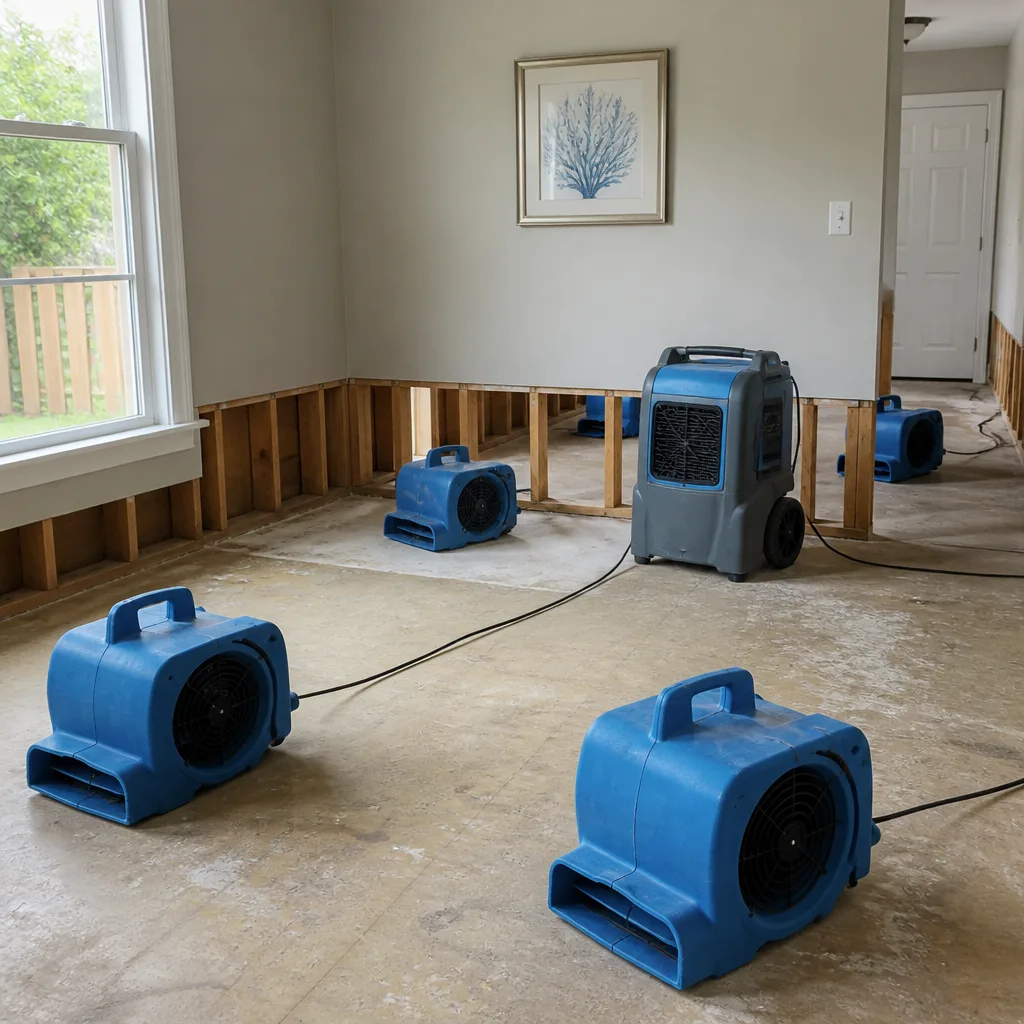
 Water damage drying
 Fire & smoke cleanup
 Mold remediation
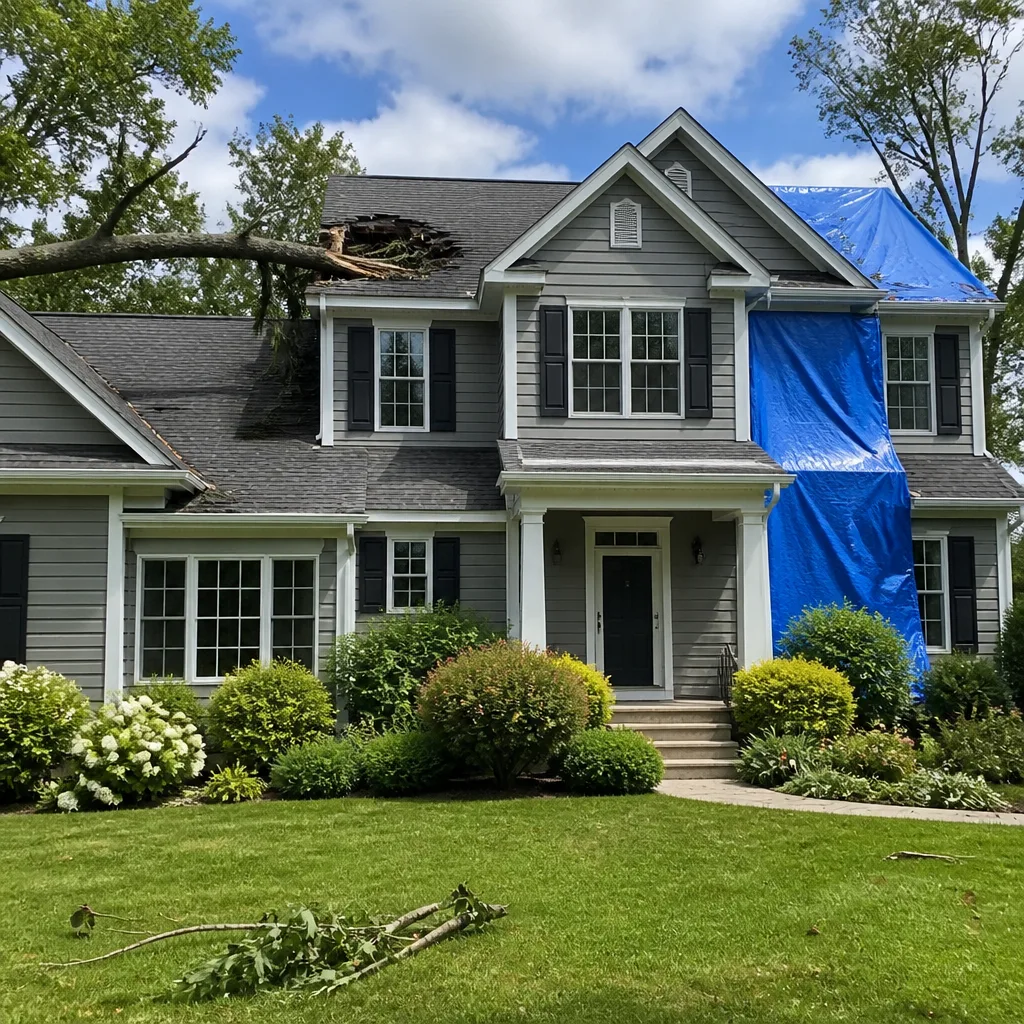 Storm response
 Sewage cleanup
 Reconstruction
Free visual inspection and a written scope of work before any mitigation begins - photos, moisture readings, and drying logs go in your claim file
The scope we write is the scope we bill. Anything new gets shown to you, in writing, before we touch it.
Get your free estimateRestoration work we handle
See the difference
 Before
 After
After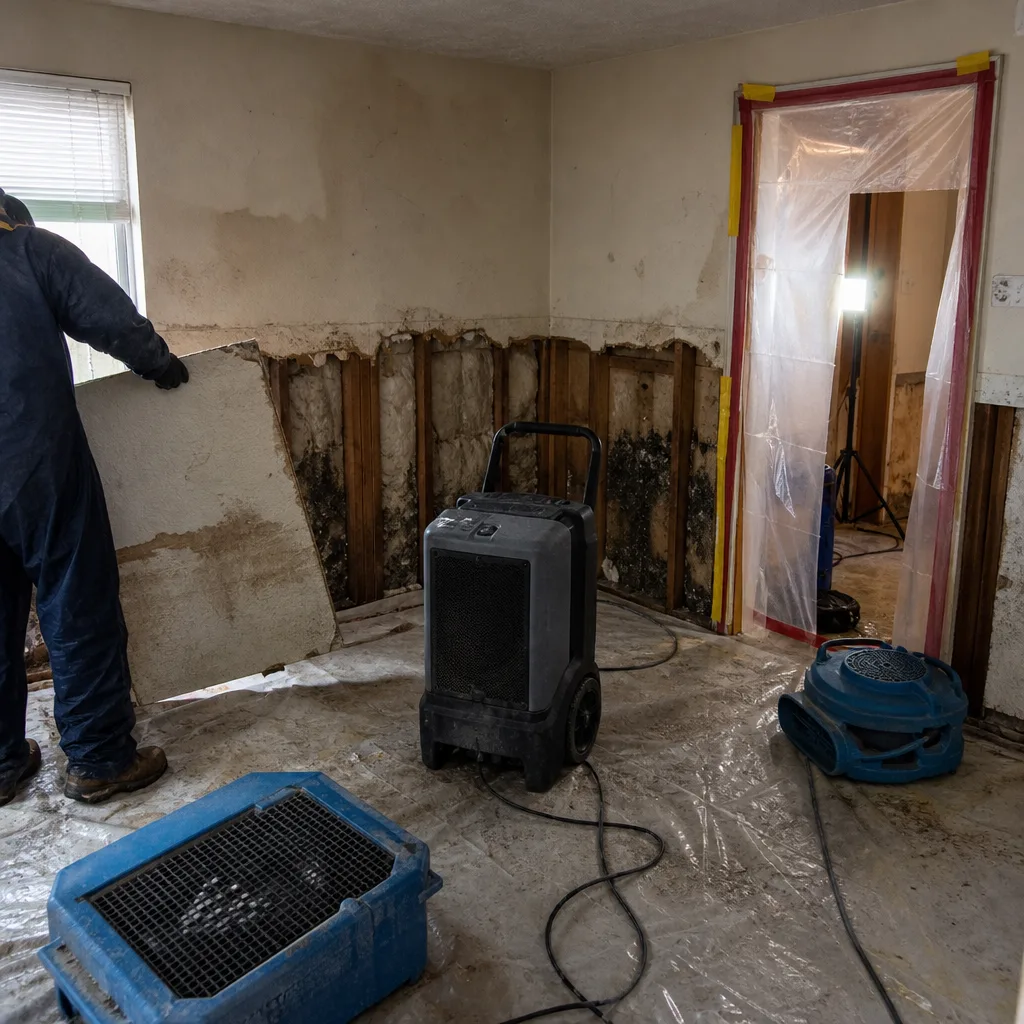 Before
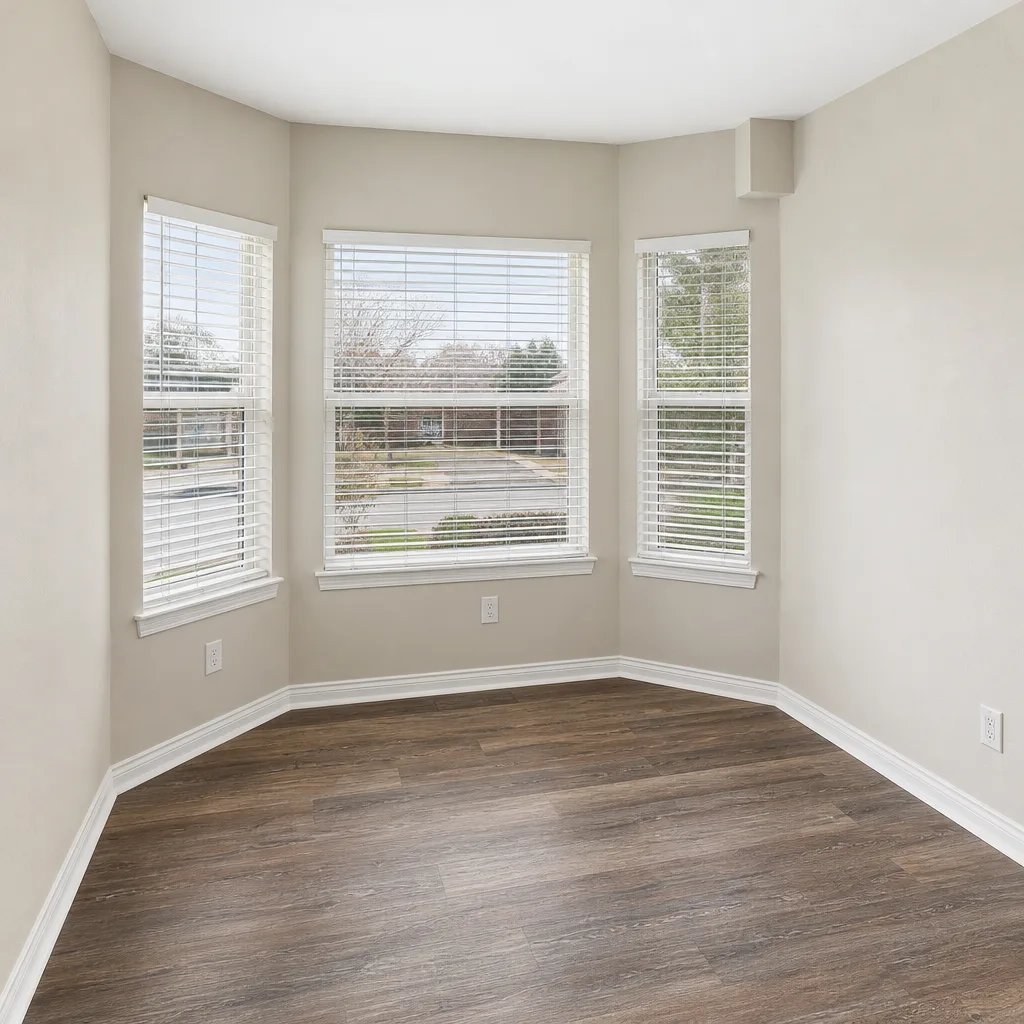 After
After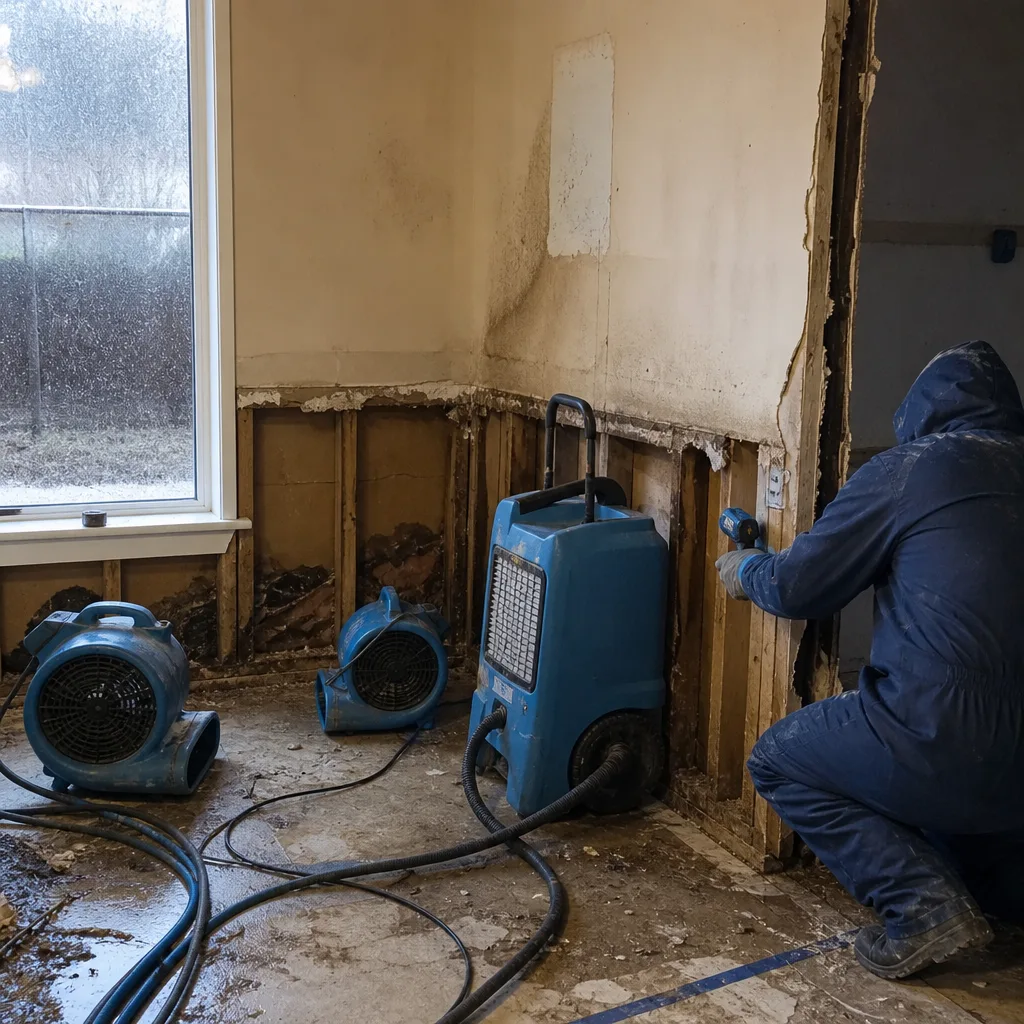 Before
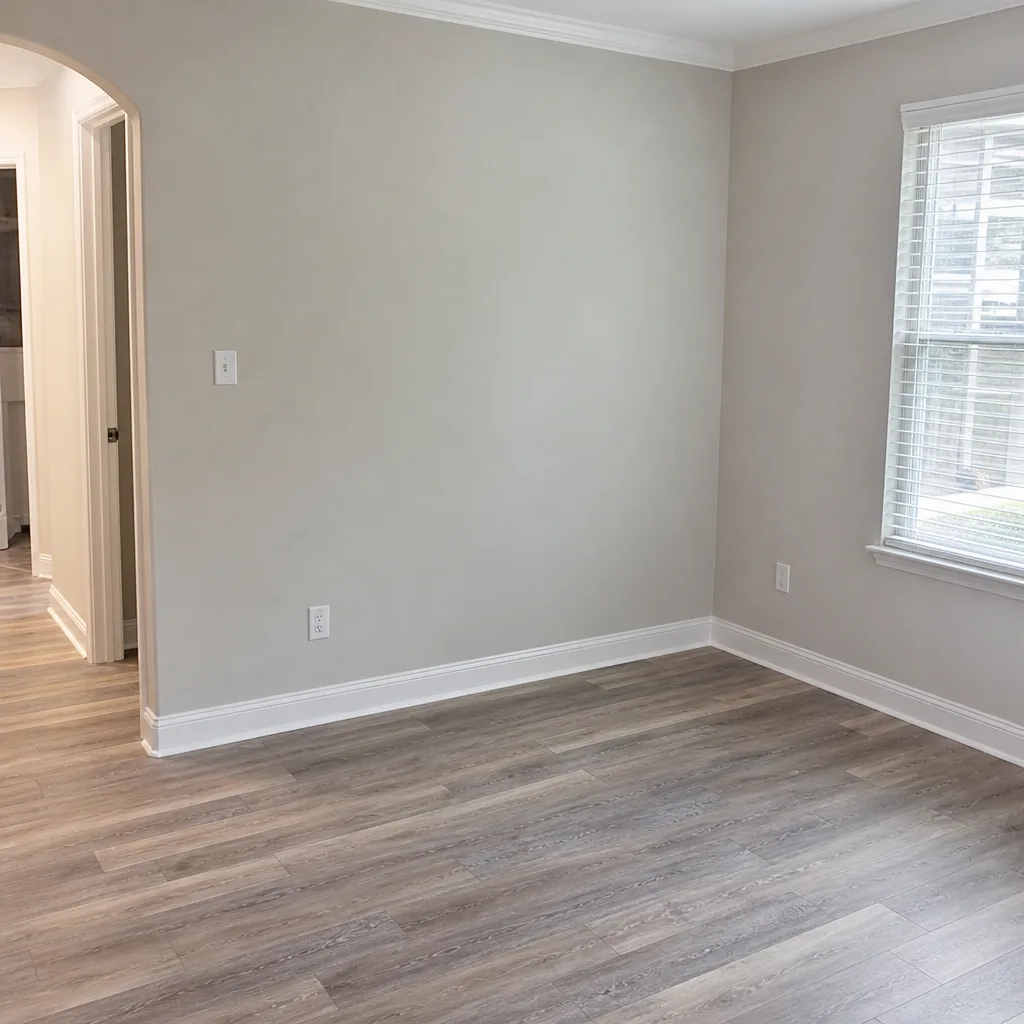 After
AfterStructural Drying & Dehumidification in Fort Worth, TX
Structural drying in Fort Worth typically costs between $1,800 and $4,500 depending on square footage, water volume, and how long the water sat before extraction began. It’s the process of pulling trapped moisture out of framing, subfloor, drywall, and concrete after a water event, not just drying the air. At Keegan Restoration Fort Worth, we run this work to a written standard: the price goes on paper before equipment turns on, the technicians are background-checked and uniformed, and every drying job is backed by our 365-Day Done Right Promise. If you’re standing in a wet house right now, call (682) 900-2821 and a live person will answer.
This page covers what structural drying actually involves, when you need it, what it costs in the Fort Worth market, and how our process works from first inspection to final moisture reading. If you want the broader picture on how this fits into a full water loss response, start with our Water Damage Restoration in Fort Worth page.
When You Need Structural Drying & Dehumidification
Not every water event requires structural drying. A small spill that you catch immediately and mop up may dry on its own. Structural drying becomes necessary when water has penetrated building materials and the moisture load exceeds what passive evaporation can handle. Here’s what that looks like in real Fort Worth homes:
- Supply line or water heater rupture. A burst supply line can dump 6 to 12 gallons per minute. Within an hour, that water is inside baseboards, wall cavities, and subfloor. Extraction alone won’t get it out.
- Appliance overflow that sat overnight. A dishwasher or washing machine leak discovered the next morning has already wicked into cabinetry and flooring. The visible puddle is the smallest part of the problem.
- Storm water intrusion through the roof or foundation. Fort Worth spring thunderstorms and the occasional hail event push water through compromised flashing, weep holes, or slab cracks. That moisture ends up in framing and sill plates where you can’t see it.
- High indoor humidity in the days after a leak. You might notice condensation on windows, a musty smell, or doors that suddenly stick. These are signs that water is evaporating from structural materials back into the living space, which means drying isn’t complete.
- Warped baseboards, cupping hardwood, or bubbling paint. These are late-stage visual indicators. By the time you see them, moisture has been present long enough to deform materials, and professional drying is the only realistic path to avoiding replacement.
- Post-remediation moisture in a slab foundation. Fort Worth sits on expansive clay soils. When water saturates a slab after a flood or sewer backup, drying it properly matters for both the structure and future soil movement under the home.
In neighborhoods across Fort Worth, from Arlington Heights to Wedgwood to Summer Creek, we regularly see the same pattern: a homeowner catches the leak early, extracts what they can with a shop vac, and then waits to see if it dries out. Two weeks later, the smell arrives. The window where drying would be straightforward has passed, and the job is now bigger. If any of the scenarios above sound familiar, call our Fort Worth water damage restoration team. The inspection and moisture assessment are free.
Our Structural Drying & Dehumidification Process
Here is the step-by-step process our technicians follow on every structural drying job in Fort Worth. Every step is documented with photos, moisture readings, and drying logs formatted to support your insurance claim.
- Scope of loss and moisture mapping. We start by defining the affected area with moisture meters and thermal imaging. We map wet materials room by room and record baseline readings. This written scope is what your drying plan, your price, and your insurance documentation are built on.
- Written price before work starts. Before any equipment is placed, you receive a written estimate that covers extraction, equipment placement, monitoring visits, and final documentation. The number does not move at the door, and there are no surprise line items added mid-job. That’s The Garrison Standard.
- Extraction and removal of unsalvageable materials. Standing water is extracted with professional-grade equipment. Materials that cannot be economically or safely dried, such as saturated carpet pad or compromised drywall, are cut out and removed so drying can reach the structure behind them.
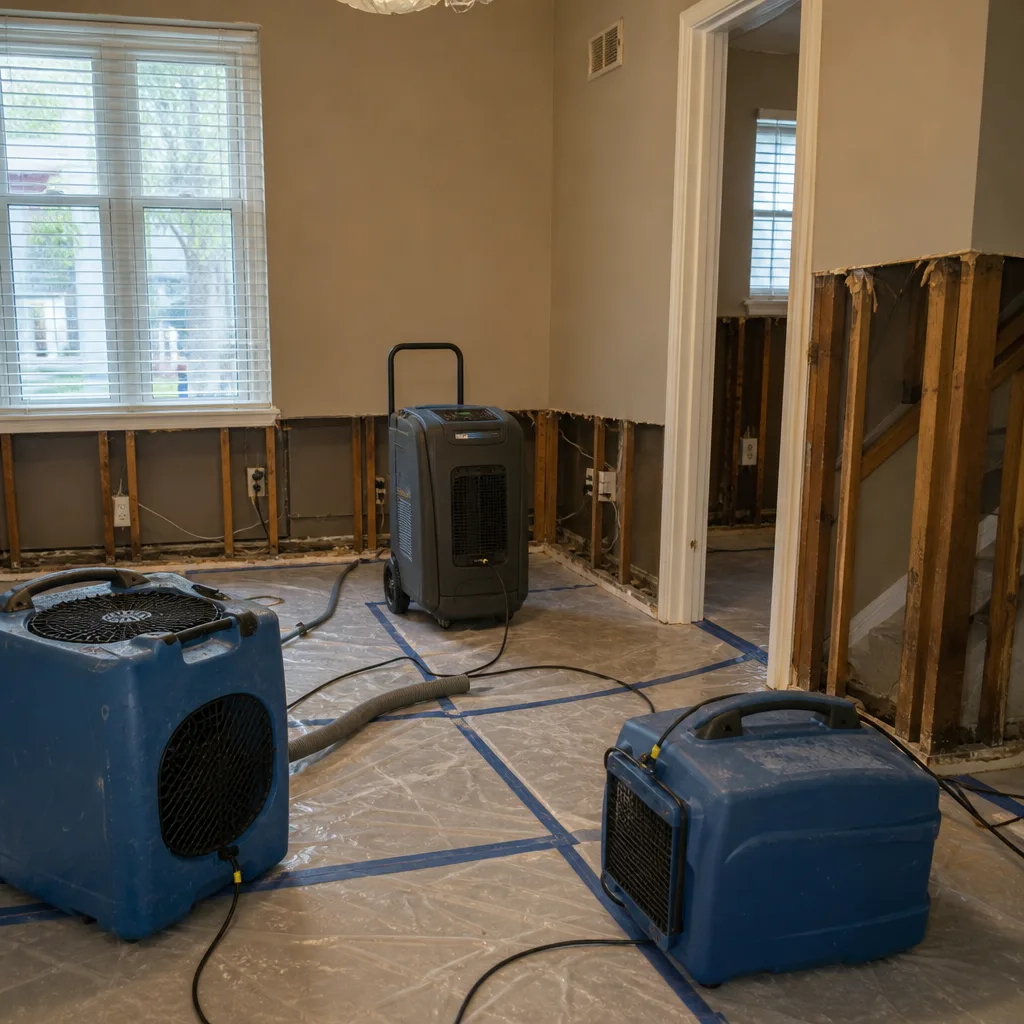
- Equipment placement and airflow management. We position axial air movers, desiccant or refrigerant dehumidifiers, and in some cases Injectidry injection systems to dry wall cavities from the inside. Airflow is directed across wet surfaces, never randomly. The goal is efficient moisture removal, not just equipment count.
- Daily monitoring and psychrometric readings. We return to the property to take temperature, humidity, and moisture content readings and to adjust equipment placement as drying progresses. Psychrometrics sounds complicated, but it’s simply the relationship between air temperature, humidity, and moisture evaporation. We track those numbers and let them drive every adjustment.
- Final moisture verification and post-drying report. We don’t call a job done until moisture meter readings on structural materials confirm they’ve returned to dry standard. You receive a written record of before and after readings for your insurance file, and your repair work is covered by the 365-Day Done Right Promise.
Structural Drying & Dehumidification Pricing in Fort Worth
Most structural drying jobs in Fort Worth fall between $1,800 and $4,500, with larger or longer-saturated losses running higher. Here is the breakdown of what drives the number on your written estimate:
- Affected square footage. A single bathroom leak might take 3 to 5 days to dry and cost between $1,800 and $2,800. A kitchen-to-living-room supply line break that ran all night can easily be 400 to 800 square feet and land between $3,000 and $5,500.
- Equipment required. Desiccant dehumidifiers pull more moisture faster than refrigerant units but cost more to run. Some Fort Worth jobs, especially in summer when outdoor humidity is high, need desiccant drying to hit dry standard efficiently.
- Water category. Clean water from a supply line is the least expensive to handle. Grey water from a washing machine or dishwasher adds cleaning and containment steps. Category 3 water, such as sewer backup or floodwater, requires additional disinfection and material removal protocols that add to the total.
- Materials that cannot be dried. Saturated carpet pad, vinyl flooring over particleboard underlayment, and some insulation cannot be economically dried and must be removed. The cost of removal and later replacement is separate from drying.
- Monitoring visits. Most drying jobs require 2 to 5 return visits for moisture readings and equipment adjustments. Those visits are included in the written price, not billed as add-ons.
Every estimate is free, and it’s delivered in writing before any equipment enters your home. Call (682) 900-2821 and we’ll schedule an assessment, map the moisture, and give you a number you can plan around.
FAQs – Structural Drying & Dehumidification
How long does structural drying take in Fort Worth?
Most residential structural drying jobs in Fort Worth take 3 to 7 days, depending on the size of the affected area, the materials involved, and the time of year. Summer humidity in North Texas slows evaporation and often requires desiccant dehumidification to hold dry standard. We monitor daily and provide written moisture readings throughout the process. If drying is taking longer than expected, you’ll know exactly why and what we’re adjusting.
Can I dry the structure with fans and a household dehumidifier?
Household fans and retail dehumidifiers are not built to move the air volume or pull the moisture load required to dry saturated framing, subfloor, or wall cavities. They reduce surface moisture but leave trapped water in structural materials, which is where mold and material degradation begin. Professional water damage restoration equipment from Phoenix, XPOWER, and B-Air moves thousands of cubic feet per minute and is monitored against actual moisture content readings, not guesswork.
Is it cheaper to repair the water damage or replace what got wet?
It depends on the material and how long it’s been wet. Basement water removal aside, hardwood floors, structural framing, and concrete slabs can often be dried for less than the cost of replacement, provided drying begins promptly. Carpet pad, ceiling tiles, and some insulation are almost always cheaper to replace than to attempt drying. Our scope of loss process identifies which materials to dry and which to remove, so you’re not spending money drying something that should be thrown out.
Do you document the drying process for insurance claims?
Yes. Every structural drying job includes a written scope of loss, baseline and final moisture readings, a daily drying log, and photo documentation of equipment placement and affected materials. This documentation is formatted to support your insurance claim, so you’re not left explaining the water loss to your adjuster on your own. If your insurer has questions during the process, our documentation answers them.
Can you come out today?
Yes. A live person answers our phone 24 hours a day, 7 days a week, including nights, weekends, and holidays. If you have active water damage in your Fort Worth home, call (682) 900-2821 now and we’ll get a technician out to assess the property and begin extraction. The sooner drying starts, the smaller the final bill and the fewer materials you’ll need to replace.
Get a Written Price Before Any Work Starts
If you have water damage in Fort Worth and suspect the structure is still wet, the next step is simple: call (682) 900-2821. We’ll schedule a free moisture assessment, map the affected area, and put a written price in your hands before any equipment is placed. No pressure, no moving numbers, no surprises. That’s how every job runs at Keegan Restoration Fort Worth, and it’s been that way since we joined the Garrison Partners family in 2005. We serve the entire Fort Worth area, from the Near Southside to Saginaw to Benbrook, and we answer the phone around the clock.
Written by Shane Pruitt, Owner at Keegan Restoration Fort Worth, serving Fort Worth.