
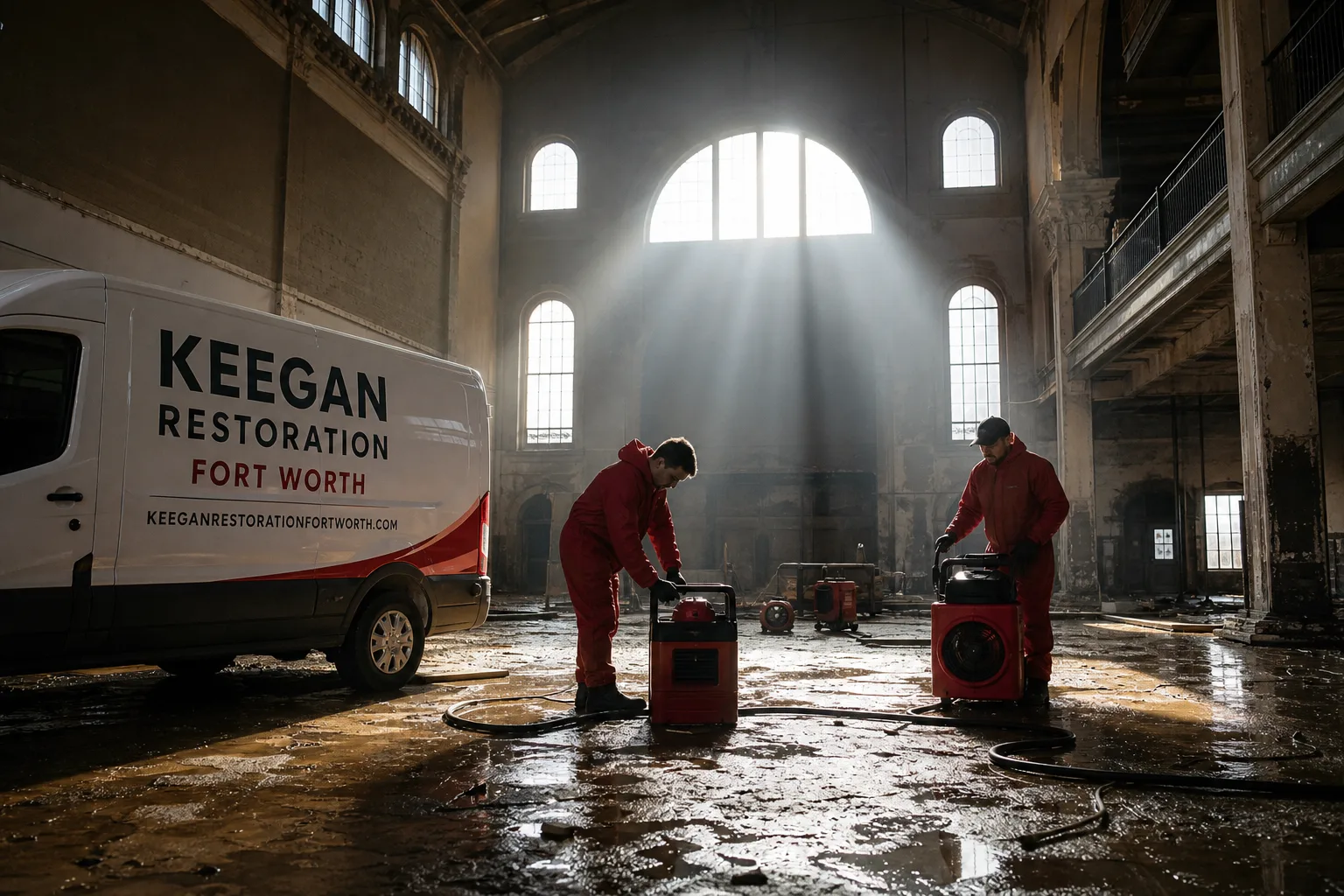
 Fire & smoke cleanup
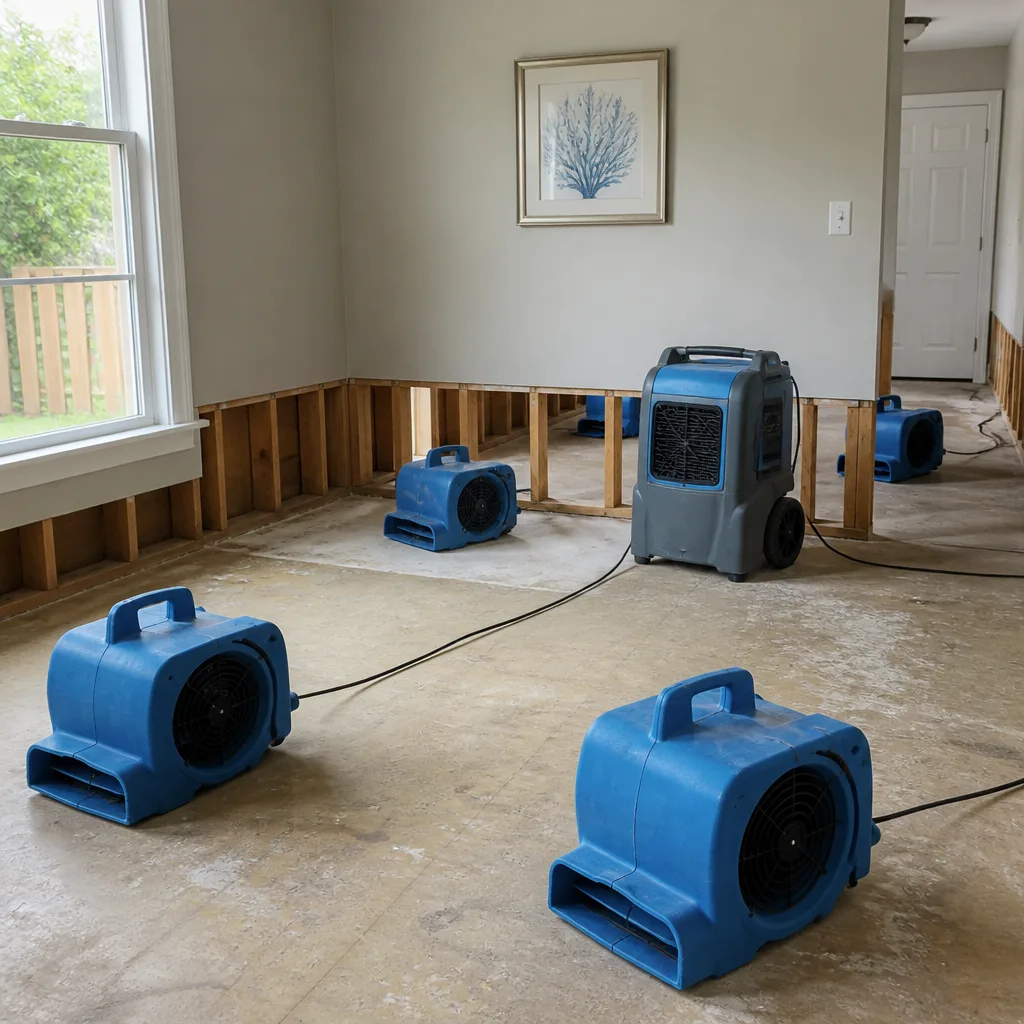 Water damage drying
 Mold remediation
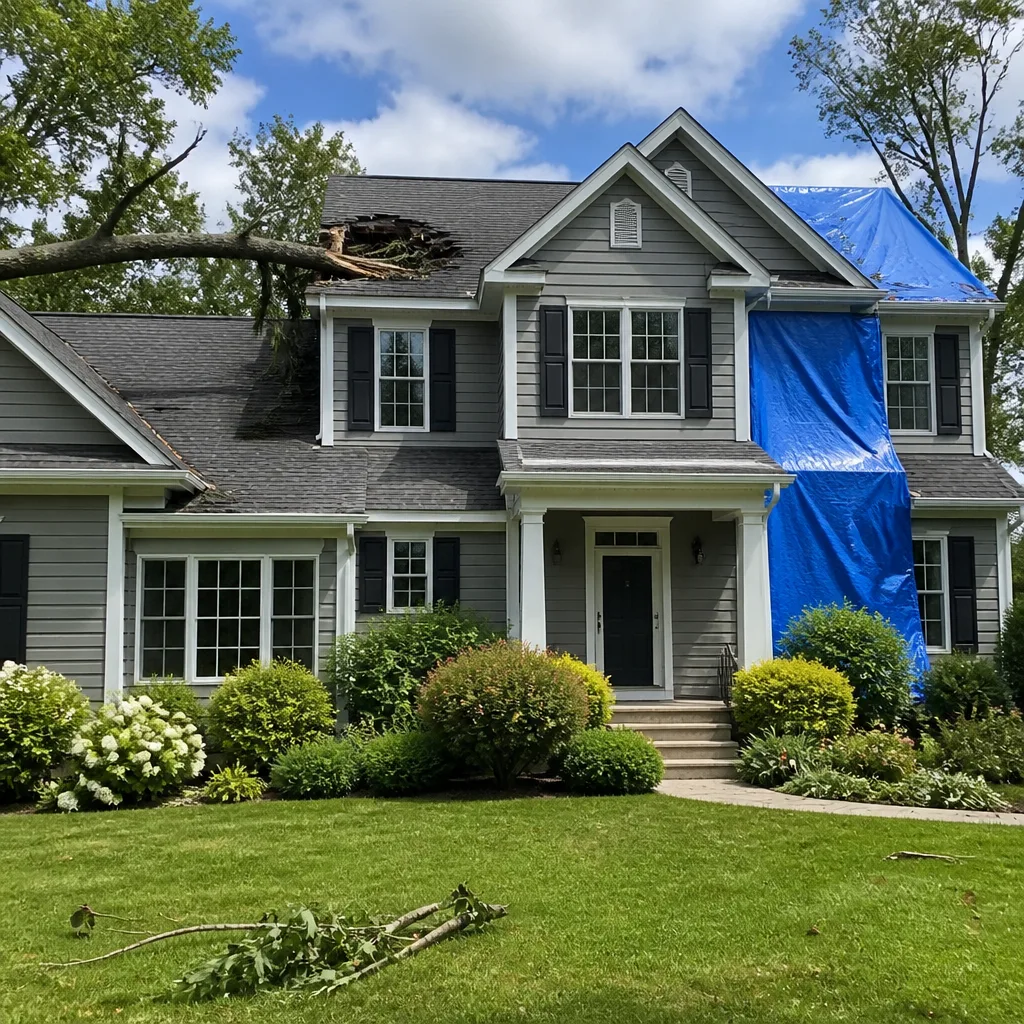 Storm response
 Sewage cleanup
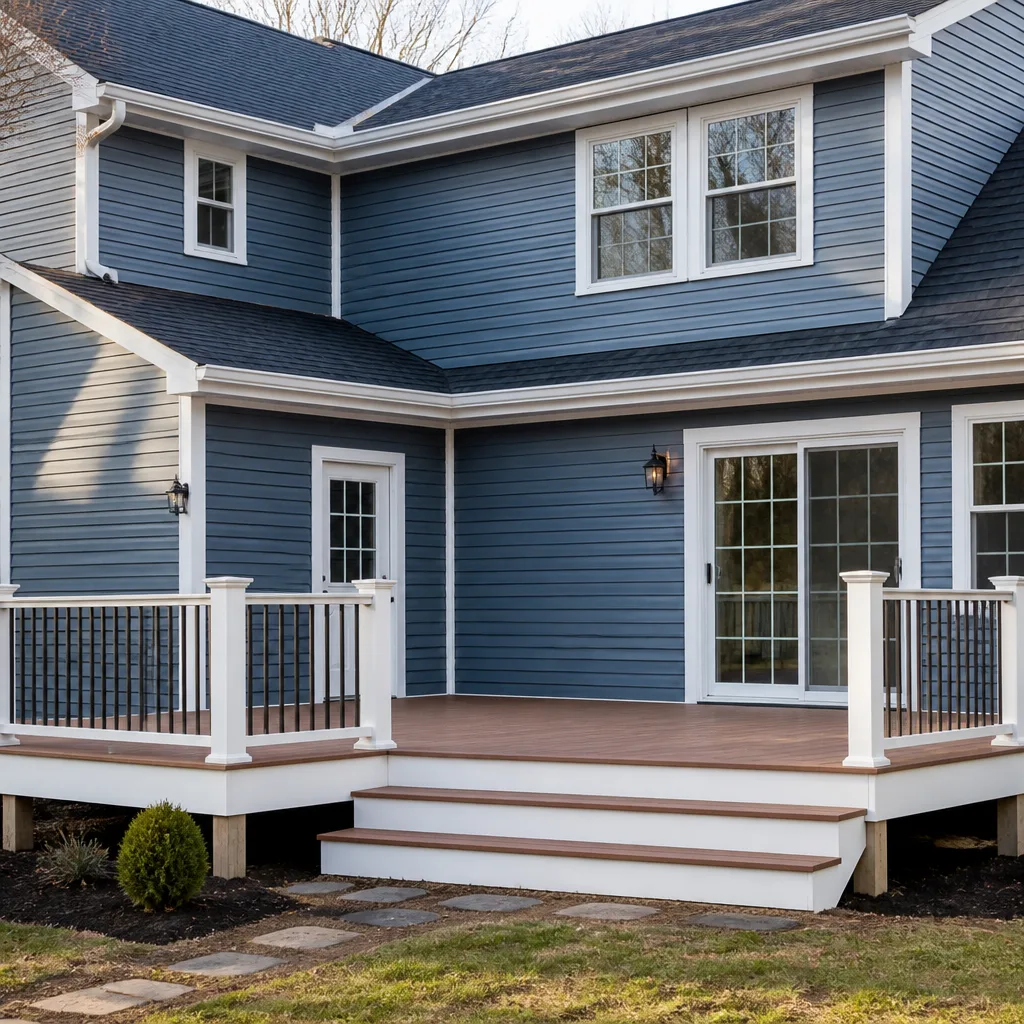 Reconstruction
Free visual inspection and a written scope of work before any mitigation begins - photos, moisture readings, and drying logs go in your claim file
The scope we write is the scope we bill. Anything new gets shown to you, in writing, before we touch it.
Get your free estimateRestoration work we handle
See the difference
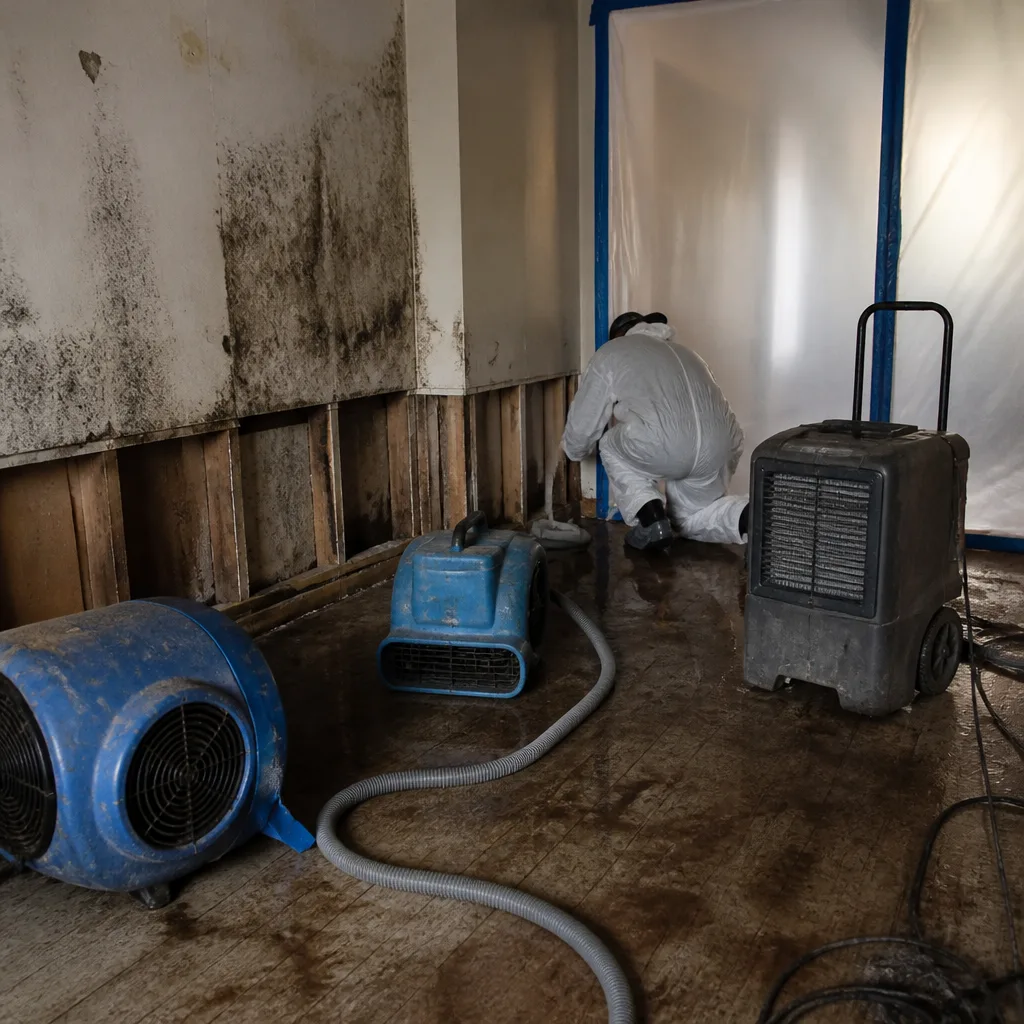 Before
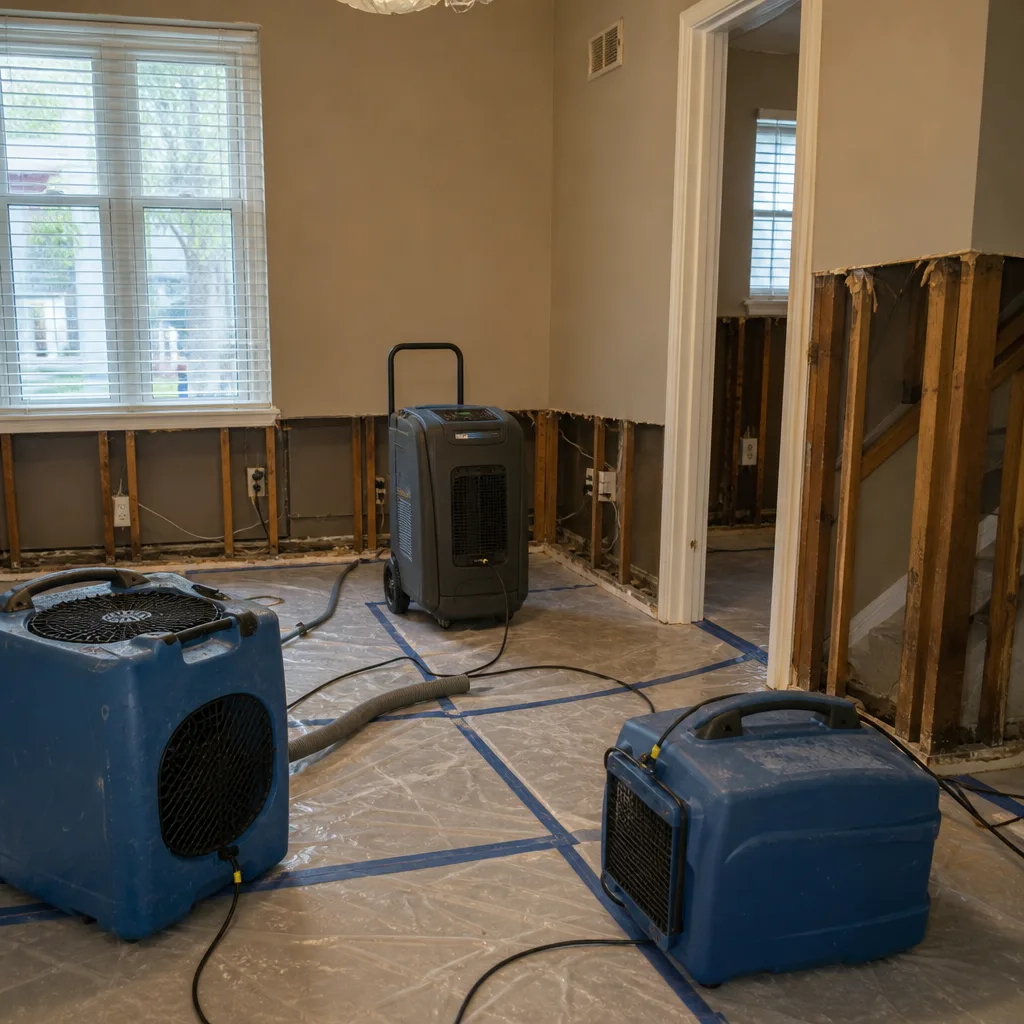 After
After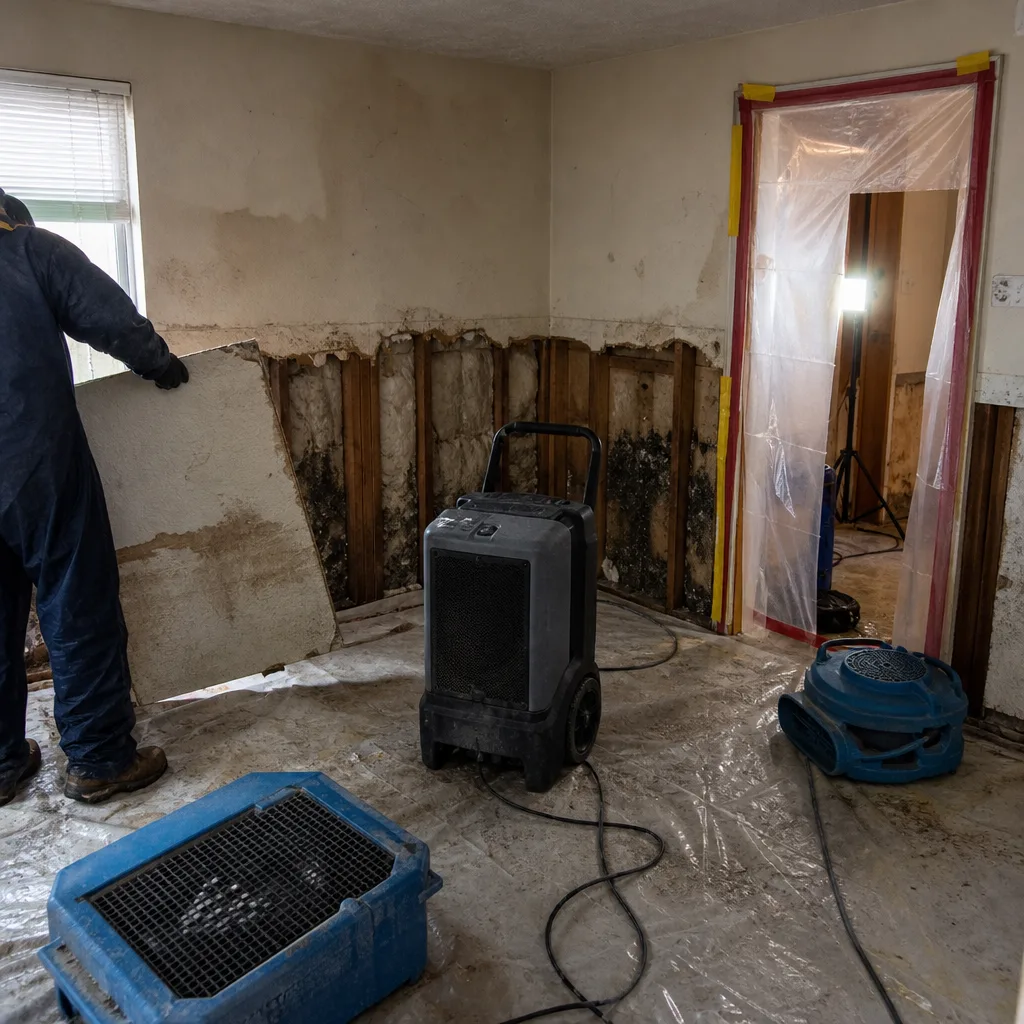 Before
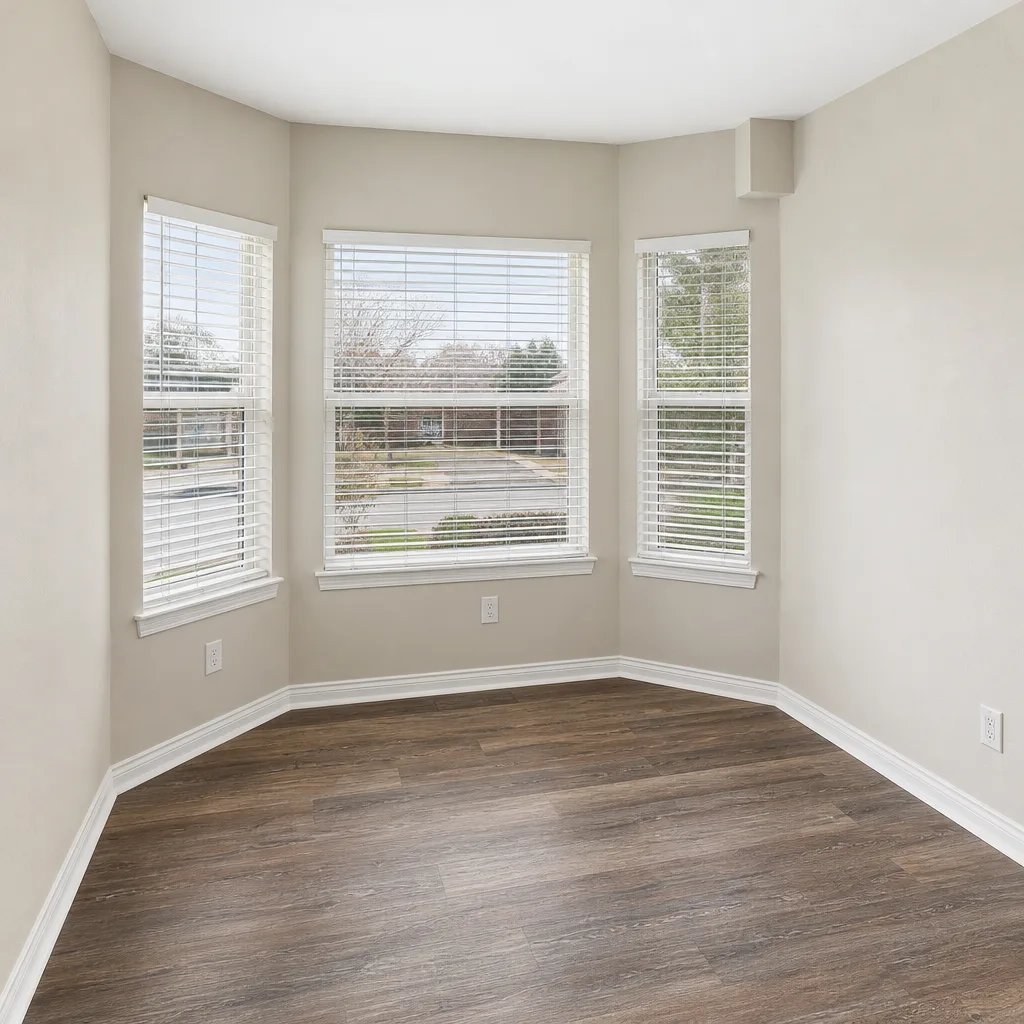 After
After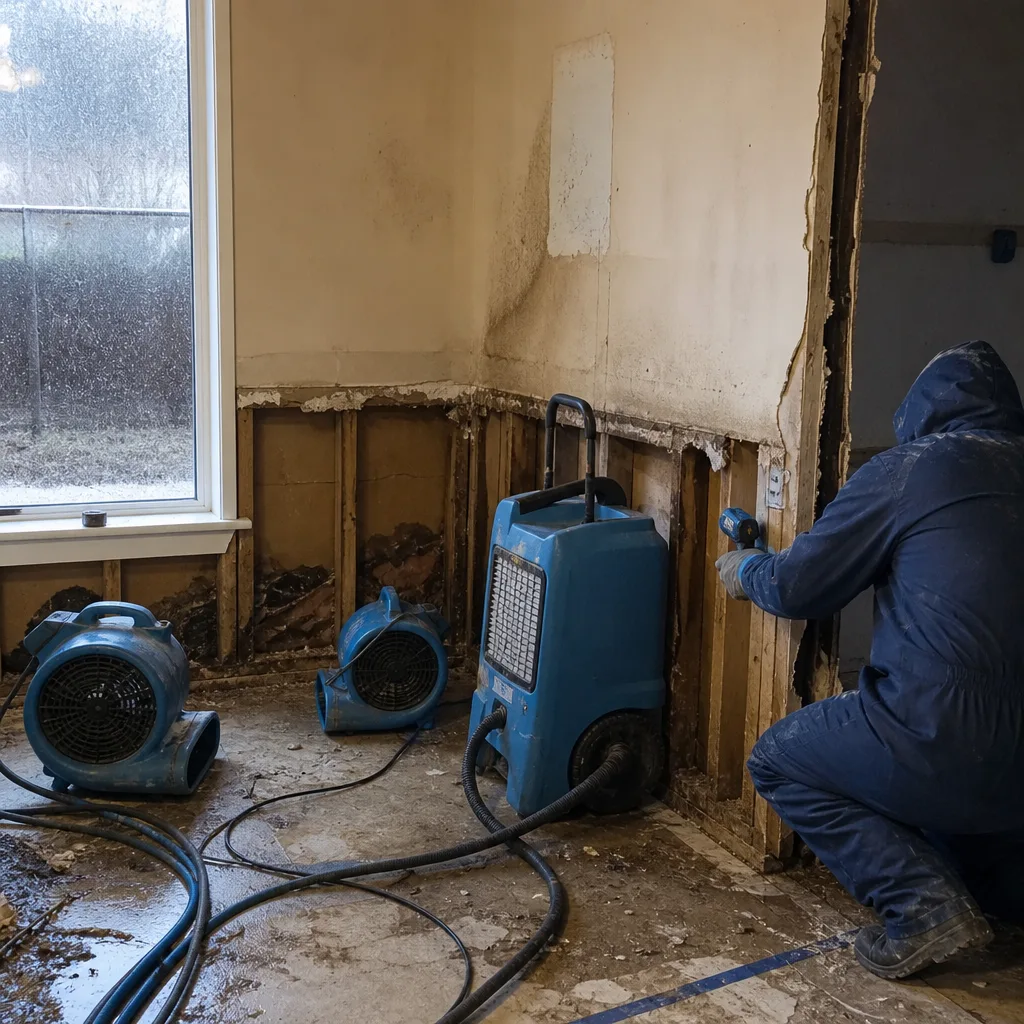 Before
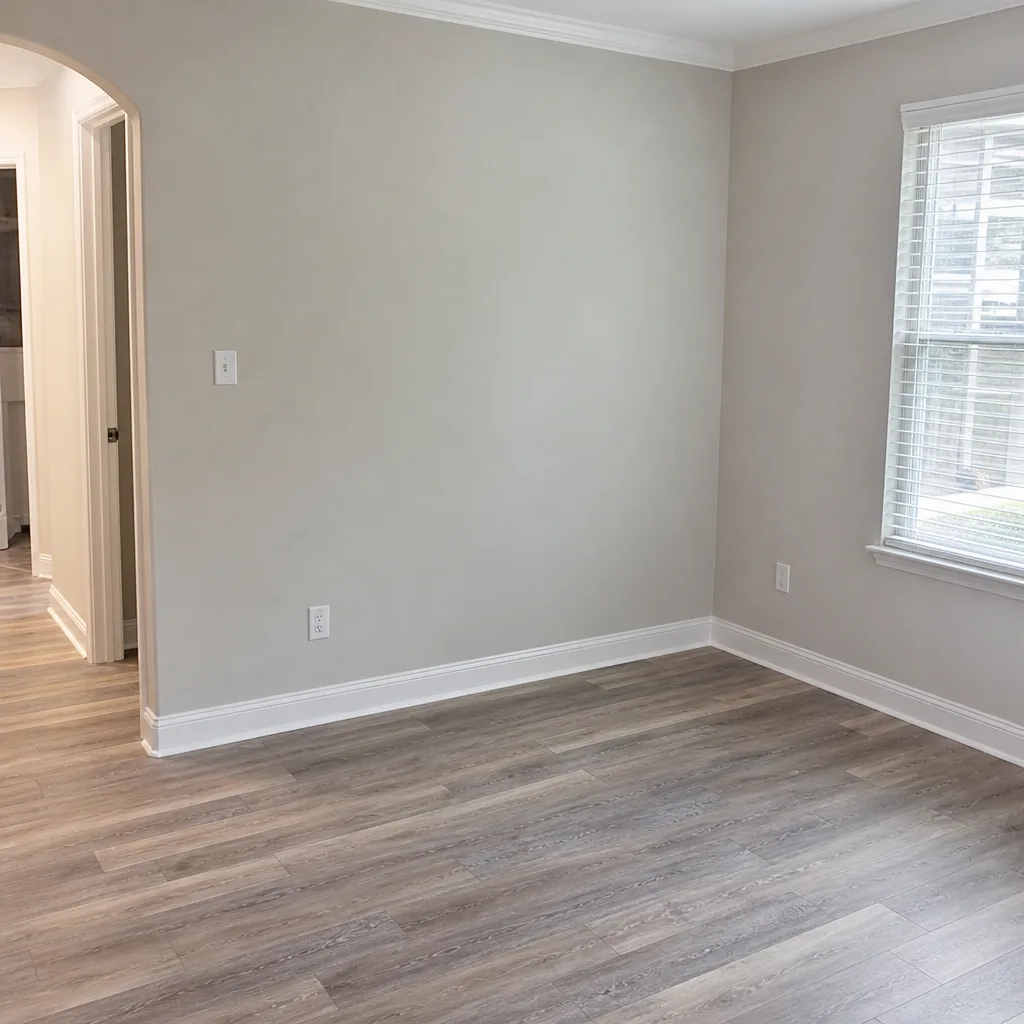 After
AfterHow Much Does Biohazard & Crime Scene Cleanup Cost in Fort Worth?
Biohazard and crime scene cleanup in Fort Worth typically costs between $2,500 and $7,000 for a standard single-room job. Larger multi-room incidents run $7,000 to $25,000, and unattended death cleanups average $3,500 to $5,000. These numbers include labor, disposal, air scrubbing, and follow-up testing. Most homeowners in Tarrant County pay on the lower end when the affected area is contained to one room and no structural material needs removal.
The range is wide because no two scenes are the same. A small blood spill from a kitchen accident that requires tile cleaning and disinfection is a different job from a decomposition scene where fluids have soaked through carpet, padding, and subfloor. We price the work in writing before anything starts, so you know the full number up front. If you’re dealing with a scene right now, call (682) 900-2821 and a live person will walk you through what to expect.
Biohazard & Crime Scene Cleanup Cost Breakdown (2026)
Here’s what you’re paying for on a typical Fort Worth biohazard job. These are real ranges based on what we see across Cowtown, Wedgwood, Stop Six, Northside, and the surrounding suburbs.
Line-Item Cost Table
| Service Component | Typical Range (Fort Worth, 2026) | Notes |
|---|---|---|
| Initial assessment & containment | $100 – $300 | Setting up negative air, sealing off unaffected rooms |
| Blood or bodily fluid cleanup (small, contained) | $500 – $1,500 | One room, hard-surface or carpet cleaning, disinfection |
| Blood or bodily fluid cleanup (large or multi-room) | $1,500 – $5,000 | Multiple rooms, porous material removal, subfloor work |
| Unattended death / decomposition cleanup | $2,500 – $7,000 | Single room; includes odor treatment, air scrubbing, disposal |
| Unattended death with structural penetration | $7,000 – $15,000 | Flooring, drywall, or subfloor removal and replacement prep |
| Crime scene / trauma cleanup | $3,000 – $10,000 | Depends on area size, blood volume, and materials affected |
| Hoarding cleanup (per room, moderate) | $1,000 – $3,000 | Debris removal, sorting, disposal fees included |
| Odor remediation (ozone / hydroxyl treatment) | $300 – $800 | Often bundled with the main cleanup |
| Air scrubber rental (daily) | $75 – $150 | Typically runs 24 – 72 hours on biohazard jobs |
| Disposal fees (medical waste) | $200 – $1,000 | Based on volume; regulated transport required |
| Follow-up ATP testing / verification | $150 – $350 | Confirms biological contamination is gone |
Fort Worth pricing runs slightly below Dallas on average because disposal routes are shorter and commercial space for staging equipment costs less in Tarrant County. But the labor and materials are the same regulated process anywhere in Texas.
What Drives Cost Up or Down
Three things move the needle more than anything: containment difficulty, material absorption, and time on scene. If fluids are still wet and sitting on tile, cleanup is faster and cheaper. If fluids have dried and soaked into carpet, padding, and the slab, you’re now pulling up flooring and cutting drywall. That’s a different invoice. Access also matters. A cramped apartment bathroom off Hemphill Street takes longer to work in than an open garage in Benbrook. Time is labor, and labor is the largest line item on any biohazard job.
What Affects Biohazard & Crime Scene Cleanup Pricing in Fort Worth
- Square footage of the affected area. A 5×7 bathroom is a different job than a 400-square-foot living room. Bigger areas mean more chemicals, more disposal bags, more air scrubber runtime, and more technician hours.
- What materials absorbed the biohazard. Porous materials like carpet, pad, drywall, grout, and unsealed concrete absorb fluids. They can’t be fully disinfected to OSHA bloodborne pathogen standards. They get removed and disposed of as regulated medical waste. Hard, non-porous surfaces like tile, sealed stone, and laminate cost less because they can be disinfected in place.
- Time elapsed since the incident. A scene addressed within 24 hours is less expensive than one discovered after a week. Decomposition changes everything. Fluids migrate, insects arrive, and the odor load compounds. In Fort Worth summer heat, a scene in an unconditioned home or vehicle deteriorates fast. We regularly see attics and garages where July temperatures accelerated fluid spread into materials that would have been salvageable in cooler months.
- HVAC system involvement. If the air handler was running when the incident occurred, biological particles may have circulated through the ductwork. Duct cleaning and coil sanitizing add $500 to $2,000 depending on the system size, and in older Fort Worth homes with original ductwork, the work is slower.
- Structural penetration. When fluids reach the slab, joists, or wall cavities, drywall and flooring come out. This requires cutting, demolition, and disposal, plus restoration prep. Some jobs end at cleanup. Others need framing and subfloor replacement before the space is habitable again.
- Access and safety conditions. Hoarding conditions, unstable flooring, or confined spaces slow work and require additional safety measures. Second-story apartments without elevator access add handling time. All of that is on the invoice.
Does Homeowners Insurance Cover Biohazard & Crime Scene Cleanup in Fort Worth?
In most cases, yes. Homeowners policies in Texas typically cover biohazard cleanup when the incident is sudden and accidental, like a crime, accident, or unattended death. The coverage usually falls under the dwelling or personal property portion of the policy, and your deductible applies. Renters policies work the same way for personal property. If you’re a landlord, your dwelling policy may cover the cleanup even if the tenant’s property isn’t covered.
The key is documentation. Insurance adjusters process biohazard claims faster when the contractor provides a line-item scope of loss, before and after photos, moisture readings, and disposal manifests. We format every job file to support your insurance claim, because we run home restoration work to a written standard. The more complete the paper trail, the fewer questions the adjuster asks.
If the incident involves a crime, the Texas Crime Victims’ Compensation Program may cover some or all of the cleanup costs for eligible victims. The program has application deadlines and coverage limits, so it’s worth contacting them early. We can help you understand what documentation they’ll request.
How the Biohazard Cleanup Process Works (And Where the Money Goes)
Here’s the step-by-step of a standard biohazard cleanup job, so you can see exactly what you’re paying for. This is the same process we run on every Biohazard & Crime Scene Cleanup in Fort Worth job, from Fairmount to Saginaw.
- Scene assessment and written estimate. A technician arrives, evaluates the affected area, and writes a line-item scope. You approve the price in writing before any work begins. No exceptions. That’s The Garrison Standard.
- Containment setup. Technicians seal off the affected area with plastic sheeting and set up negative air pressure to prevent cross-contamination to unaffected rooms. This step typically adds $100 to $300 and is non-negotiable on any serious biohazard job.
- Removal of affected materials. Carpet, padding, drywall, insulation, and any other porous material that has absorbed fluids gets cut out, bagged in biohazard-rated containers, and sealed for regulated disposal. Disposal costs are separately itemized because the fees depend on volume.
- Surface disinfection. Hard surfaces are treated with hospital-grade disinfectant rated to kill bloodborne pathogens including HIV, Hepatitis B, and Hepatitis C. Larger areas get sprayed and wiped down systematically. This is where the training matters.
- Air scrubbing and odor treatment. HEPA air scrubbers run for 24 to 72 hours to pull airborne particles. For decomposition odor, ozone or hydroxyl generators may run after the room is sealed and vacated. In North Texas, we typically run air scrubbers longer on summer jobs because higher temperatures increase off-gassing from affected materials.
- Verification testing. ATP testing swabs surfaces to confirm biological contamination is below detectable thresholds. If anything reads high, the room gets retreated before we call the job done. That’s the difference between a contractor who disinfects and one who verifies.
- Final walkthrough and documentation. You walk the space with the lead technician, then receive a job file with photos, line-item pricing, disposal manifests, and testing results. Everything is formatted to submit to insurance.
How to Save on Biohazard & Crime Scene Cleanup
Biohazard cleanup isn’t the place to shop for the lowest bid, but there are ways to keep costs down without cutting corners on safety.
- Call early. The longer a scene sits, the worse it gets. In Fort Worth’s summer heat, a scene that’s addressed within 24 hours might be a two-hour cleanup. The same scene after four days might require flooring removal and subfloor work. Every day of delay adds labor and disposal costs.
- Turn off the HVAC immediately. If the system was running during the incident, it’s pulling contaminated air through the ducts and spreading it. Shut it off at the thermostat and leave it off until a professional evaluates the system. This is also a safety issue. Airborne pathogens and decomposition particles in ductwork are not something a standard filter catches.
- Don’t try to clean it yourself. This is genuinely dangerous. Bloodborne pathogen exposure, structural instability, and improper disposal fines are all real risks. Texas requires regulated medical waste disposal for biohazard material, and putting it in your household trash creates a public health hazard and a potential legal liability for you. A professional cleanup is almost always cheaper than a DIY job that requires re-cleanup or creates an insurance dispute.
- Get a line-item estimate in writing. You should never agree to a biohazard job that’s quoted as a single lump sum with no breakdown. A detailed scope lets you see exactly what you’re paying for and prevents the door price from moving. If a contractor won’t itemize, walk away.
- Ask about insurance claim documentation. Some contractors charge extra for the paperwork that supports your claim. Others include it. We document every job to insurance-ready standard as part of the work, because the paper trail protects you and speeds up payout. If a company can’t produce a proper scope of loss, your claim gets delayed while the adjuster pulls teeth.
- Bundle odor remediation and testing. If you need ozone treatment or ATP verification, ask whether it’s included or whether it can be added as a bundled rate. Doing it as part of the main job is always cheaper than a second trip.
For a precise quote on your scene, call (682) 900-2821. Estimates are free.
FAQs – Biohazard & Crime Scene Cleanup Cost
How much does biohazard cleanup cost per hour in Fort Worth?
Most Fort Worth biohazard companies charge $150 to $300 per hour per technician, with typical jobs requiring 4 to 16 total technician hours. A small single-room blood cleanup might involve two techs for two hours ($600 to $1,200 in labor), while an unattended death requiring material removal and air scrubbing could involve two techs over two days ($2,400 to $9,600 in labor). At Keegan Restoration Fort Worth, we don’t bill by the hour alone. You get a line-item scope with a written total price before any work begins, so the hourly math is visible but the total can’t move at the door.
Is it cheaper to repair or replace flooring after a biohazard incident?
It’s almost always cheaper to remove and replace carpet, pad, and damaged drywall than to attempt deep cleaning them. Biohazard fluids penetrate beyond the surface. Cleaning the visible carpet doesn’t address what’s saturated into the padding and subfloor, and a re-clean later costs more than doing it right the first time. Carpet removal, disposal, and subfloor disinfection runs $3 to $7 per square foot in Fort Worth depending on the underlayment condition. New carpet installed runs $4 to $8 per square foot. If you’re on a slab foundation, which most Fort Worth homes are, the slab gets disinfected and sealed after the flooring is out. That’s the cheapest permanent fix. Trying to save money by cleaning carpet usually means paying for disposal, retreatment, and new flooring later anyway.
Can you come to my Fort Worth property today?
Yes. A live person answers our phones 24 hours a day, 7 days a week, and we dispatch same-day in most Tarrant County zip codes. Call (682) 900-2821 and a person will answer, not a phone tree. Same-day dispatch is typically available for biohazard scenes across Fort Worth, Arlington, Haltom City, North Richland Hills, and the surrounding area. The sooner we’re on site, the less the cleanup costs, because wet or fresh biohazard material is always cheaper to address than material that’s had days to penetrate and spread.
How much does unattended death cleanup cost in Fort Worth specifically?
Unattended death cleanup in Fort Worth averages $3,500 to $5,000 for a standard single-room scene, with a low end around $2,500 and a high end near $15,000 when structural material is involved. The spread comes down to how long the person was undiscovered, whether fluids reached the subfloor or wall cavities, and whether the home’s HVAC system was running. In summer, a scene in an unconditioned Fort Worth house deteriorates rapidly. Heat accelerates decomposition and odor saturation. If you’ve just dealt with a death in the home, I’m sorry, and I want you to know this is work we handle with care and discretion. Call (682) 900-2821 for a written estimate tailored to your specific scene.
Can you give me a free estimate over the phone?
We can give you a realistic range over the phone, and then a fixed written estimate after we see the scene in person. Both are free. Phone estimates are helpful for planning and insurance purposes, but every scene is different, and a qualified biohazard technician needs to evaluate the affected area in person to give you a number we can stand behind. That written price is delivered before any work begins and it doesn’t move. That’s how we run every job at Keegan Restoration Fort Worth, and it’s part of The Garrison Standard we’ve operated under since 2005.
Call Fort Worth Biohazard Cleanup That Puts the Price in Writing
You’ve just been through something hard. The last thing you need is a contractor who makes it harder. We’re Shane Pruitt’s team at Keegan Restoration Fort Worth, and we run biohazard and crime scene cleanup the way it should be run: a live person answers your call, we show up inside the window we give you, we put the price in writing before any work begins, and we stand behind the work for a full year.
Every job is governed by The Garrison Standard. That means background-checked, uniformed technicians who explain every step in plain language. It means professional-grade equipment and documentation that supports your insurance claim. It means a written 365-Day Done Right Promise: if the work fails within one year, we return and make it right at no charge. If you’re dealing with a biohazard scene right now, call (682) 900-2821. A person will answer, 24/7, and help you figure out the next step.
Keegan Restoration Fort Worth
Part of the Garrison Partners family since 2005
Call (682) 900-2821 for a free, no-pressure estimate.
Pricing reflects the Fort Worth market as of 2026. Keegan Restoration Fort Worth offers free estimates – call (682) 900-2821.
Written by Shane Pruitt, Owner at Keegan Restoration Fort Worth, serving the Fort Worth area since 2005.
What Our Customers Say
"Quiet, focused crew. Everyone had a job and they did it."
- Alice M."Water heater burst in the garage and flooded the hall. Crew was there fast, in uniform, set up dehumidifiers and air movers, and ran drying logs every day. Veteran-owned and organized."
- Gail S."Mold test after drying came back clean. They gave me the readout in writing so I could keep it with the insurance file."
- Gus P.